Industrial Shutdown Construction: How To Reduce Operational Disruption

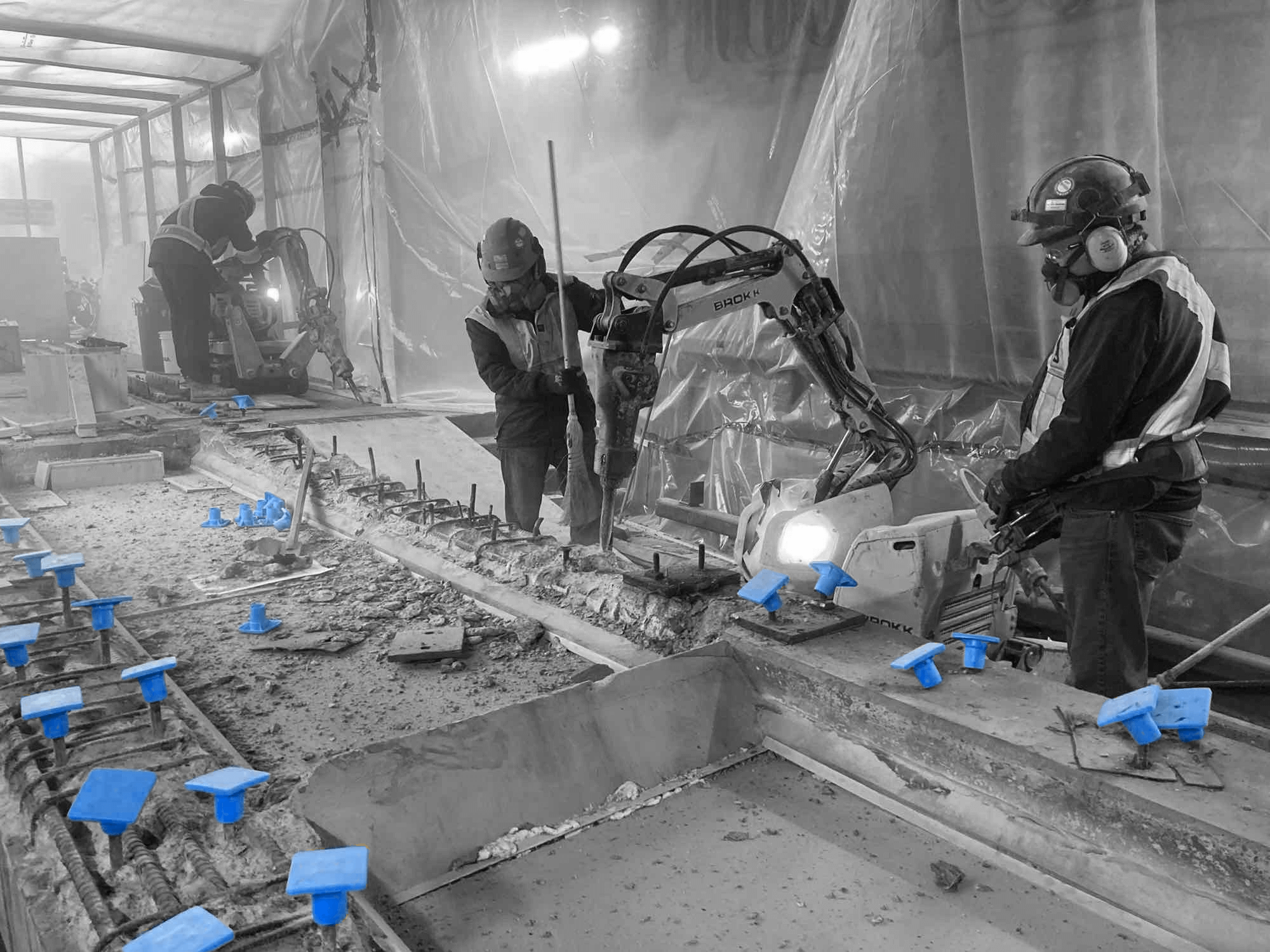
Industrial shutdowns are some of the most schedule-sensitive projects an owner can undertake. Production windows are tight, access is limited, and every task must be completed safely, correctly, and in the right sequence before operations restart. At Industra, we understand that shutdown construction is not just a construction challenge. It is an operational risk management […]

What Makes Forcemain Construction Different From Gravity Sewer Work

Gravity sewers and forcemains both move wastewater, but they are very different assets to build. Gravity sewer work depends on slope, invert elevations, manholes, and open-channel flow. Forcemain construction depends on pressure, pumping, pipe restraint, surge control, valve access, and commissioning with the larger mechanical system. For municipalities, First Nations, industrial operators, and public agencies, […]

How Contractors Protect Water Quality During Treatment Plant Construction

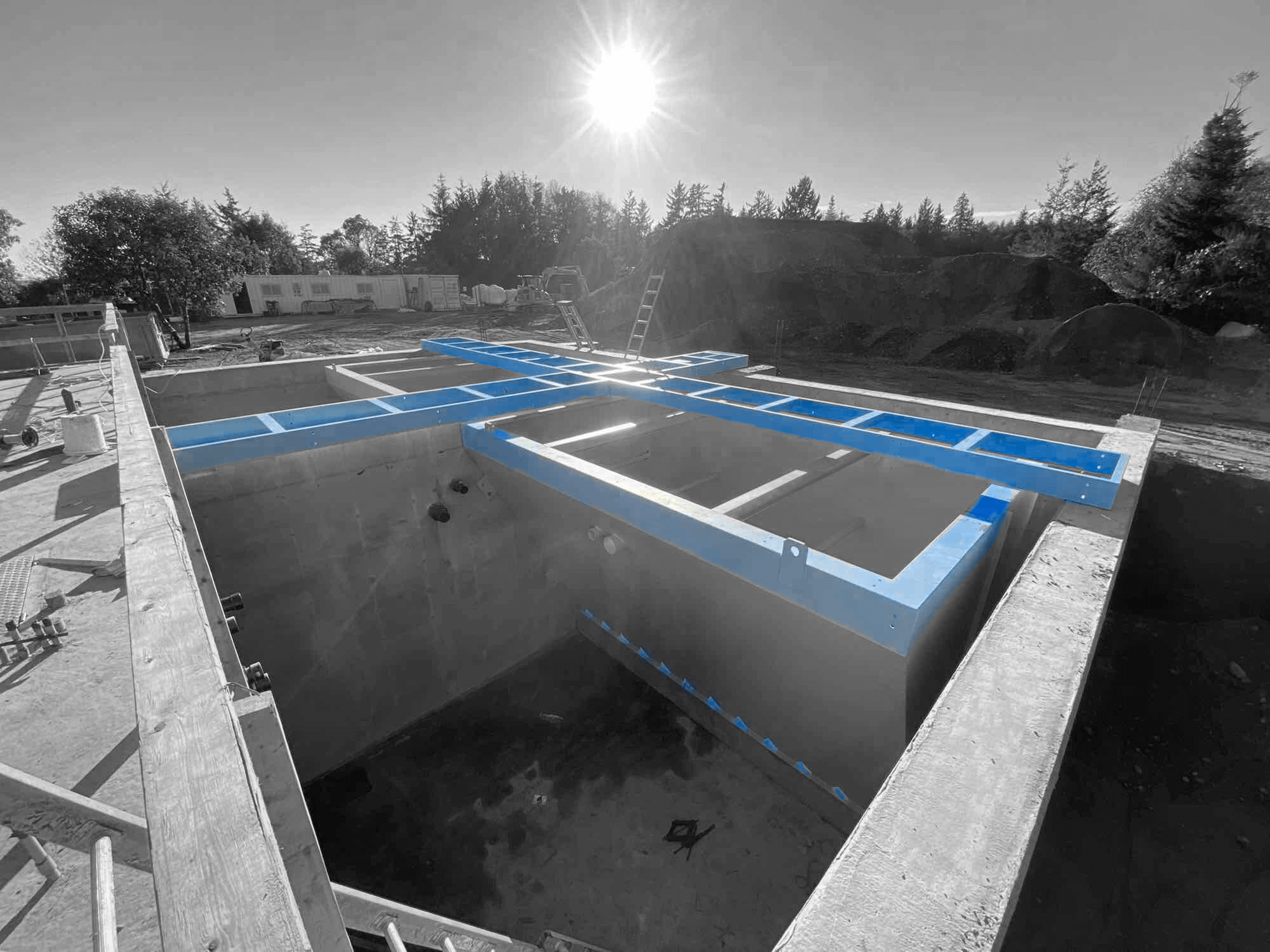
Water treatment plant construction carries a responsibility that extends beyond concrete, process piping, equipment installation, and commissioning. These projects are built to protect public health, so construction must protect water quality from the first day of mobilization. For municipalities, First Nations communities, industrial operators, and public agencies, water quality protection depends on more than meeting […]

How To Plan Tie-Ins For Live Water And Wastewater Systems

Tie-ins are some of the most critical activities on water and wastewater construction projects. Whether the work involves connecting a new forcemain, upgrading a pump station, modifying process piping, or bringing new treatment infrastructure online, the tie-in is where planning, safety, quality, operations, and communication all come together. For municipalities, First Nations communities, industrial operators, […]

Why Commissioning Planning Should Start Before Construction Begins

Commissioning is often treated as a final project milestone, but the best outcomes are shaped long before equipment is started, tested, or turned over. For municipalities, First Nations communities, industrial operators, and institutional owners, commissioning planning should begin before construction starts. At Industra, we view commissioning as part of the full project delivery process. Whether […]

How Safety Planning Changes When Construction Happens Beside Live Utilities

Construction beside live utilities requires a different level of planning, control, and communication. Whether the work involves excavation near buried infrastructure, upgrades inside an operating industrial facility, or tie-ins at a municipal lift station, the safety plan must protect workers, the public, existing services, and the owner’s operations. At Industra, safety is priority one. Through […]

What Owners Should Include In A Strong Design-Build RFP

A strong design-build RFP does more than request pricing. It gives qualified teams the information they need to understand the owner’s objectives, evaluate project risk, propose a practical solution, and plan safe, high-quality execution. At Industra, we see the best results when owners treat the RFP as an early project delivery tool. This is especially […]

What Makes A Successful Lift Station Upgrade

Lift stations are essential to reliable wastewater collection. When they operate properly, they protect public health, support growth, and move wastewater safely through the system. When they fail, the impacts can be immediate: service disruption, emergency bypassing, environmental risk, odour complaints, and higher operating costs. At Industra, we approach lift station upgrades as integrated infrastructure […]

What Owners Should Know Before Tendering A Design-Build Project

Tendering a design-build project is different from tendering a traditional design-bid-build contract. The owner is not simply asking contractors to price a completed set of drawings. The owner is asking qualified teams to take responsibility for design development, construction planning, cost control, schedule performance, quality, safety, and commissioning under one integrated delivery model. For municipalities, […]

How Self-Perform Construction Improves Schedule Control On Complex Projects

Complex construction projects rarely follow a perfect sequence from start to finish. Existing conditions can differ from drawings. Utility conflicts can appear during excavation. Equipment delivery dates can shift. Weather, access, permits, shutdown windows, and commissioning requirements can all affect how work moves forward. For owners, these challenges create one central concern: schedule control. At […]