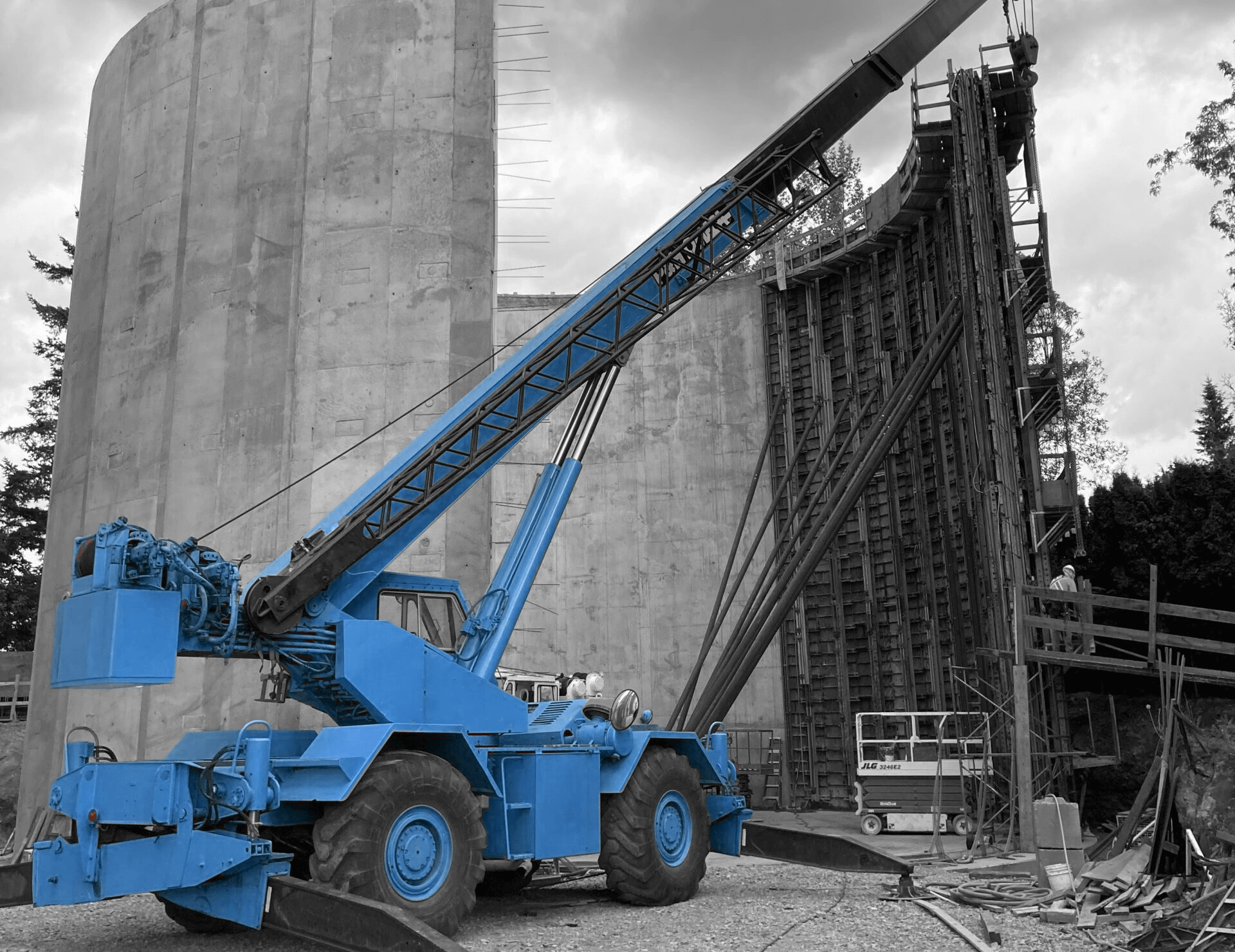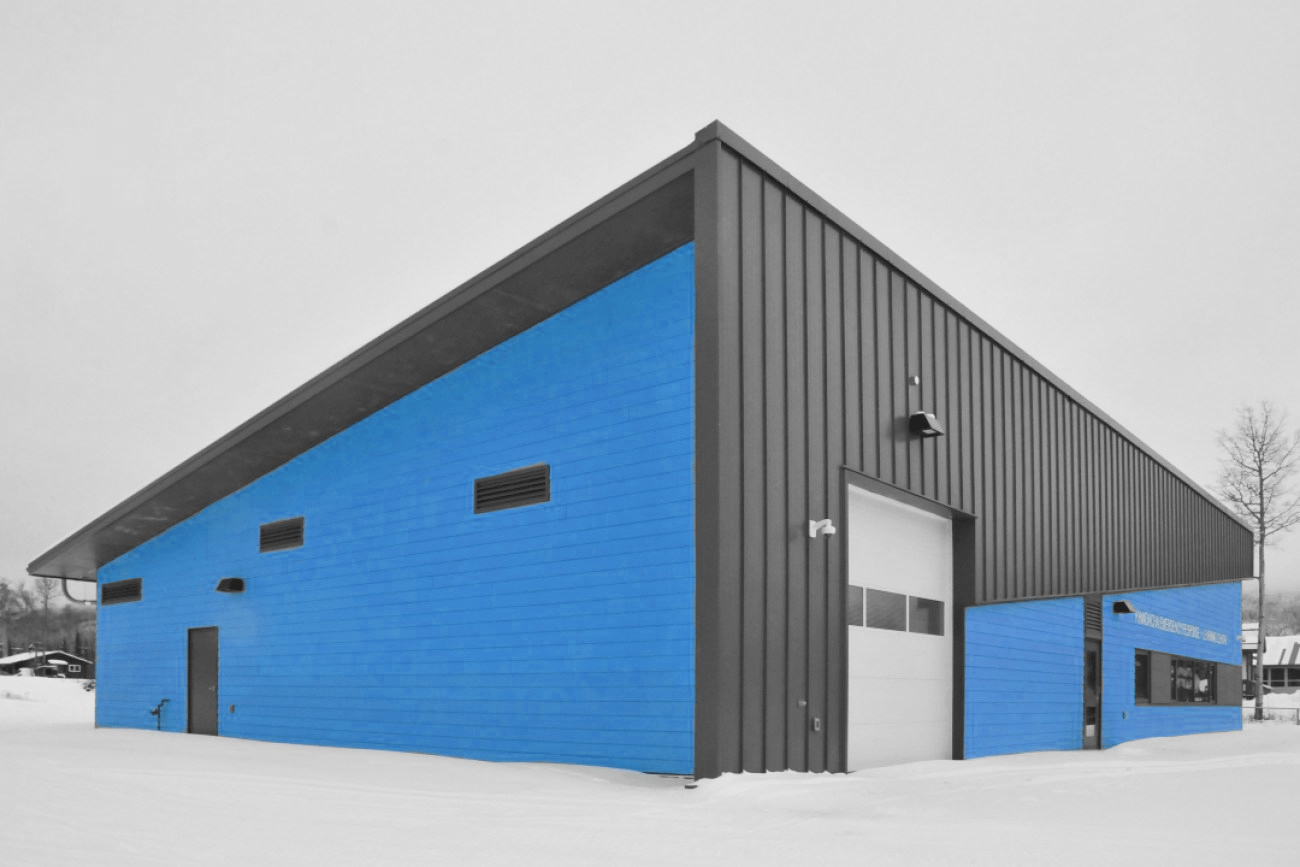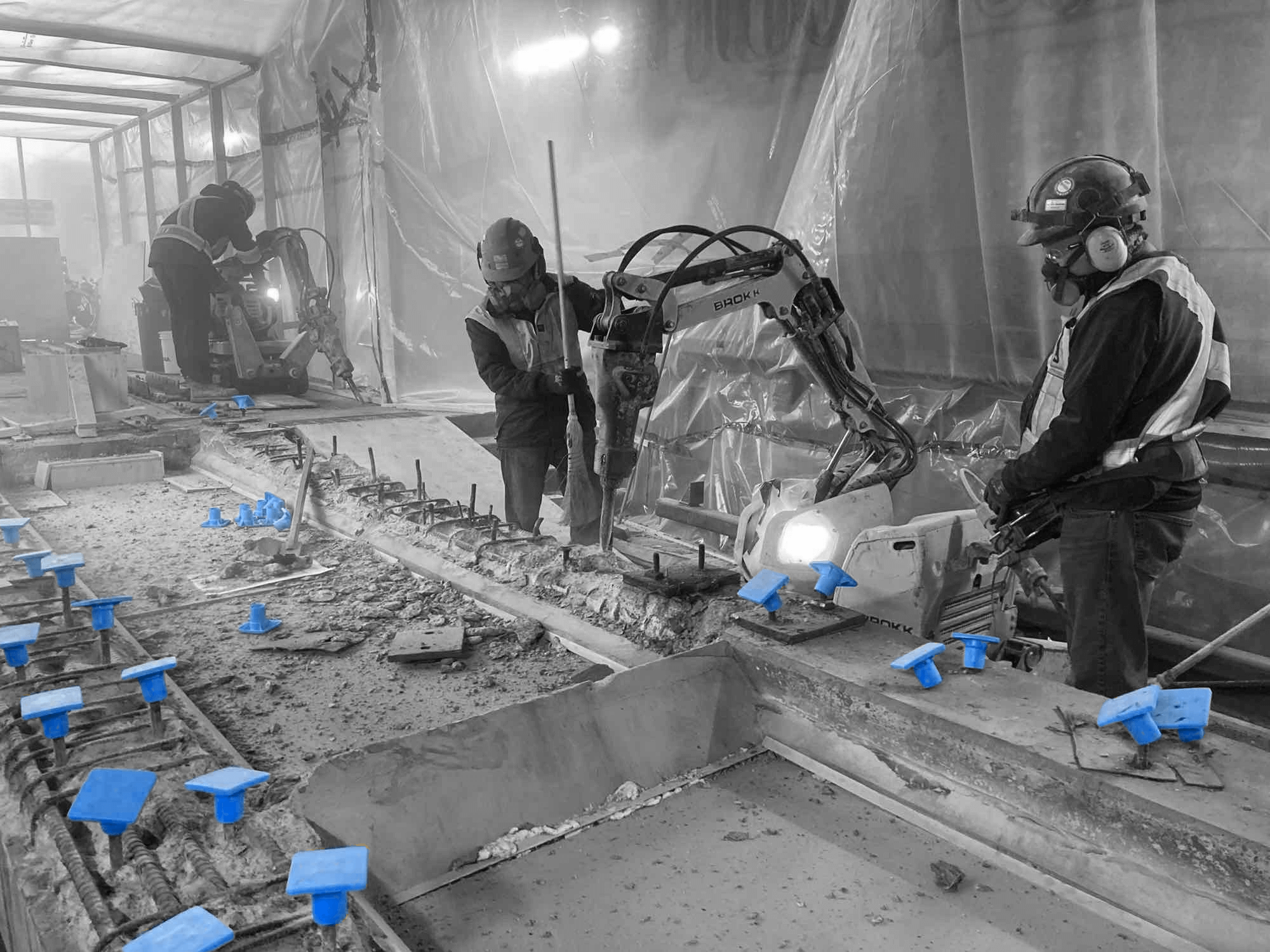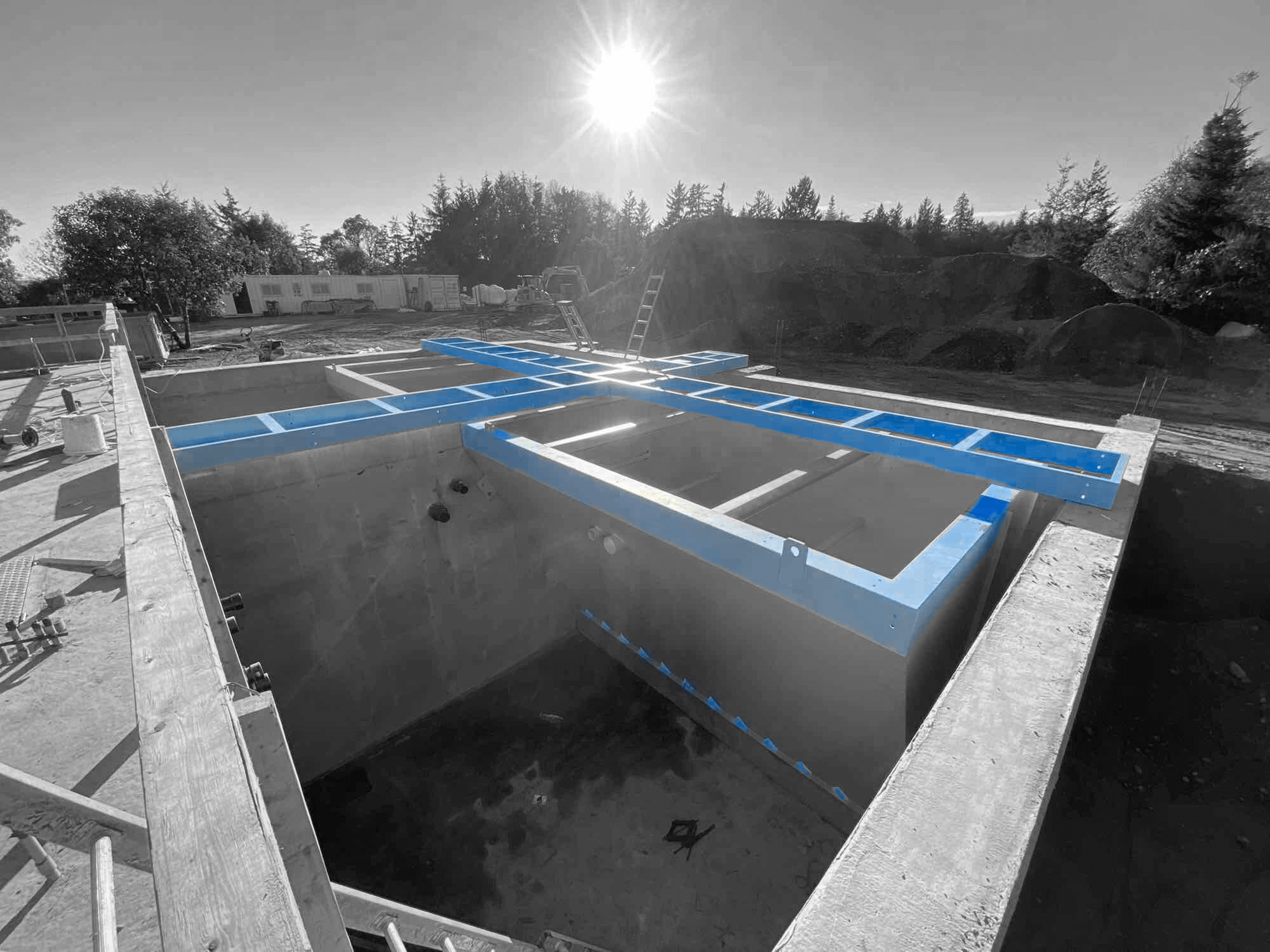
Across Canada, many First Nations communities are advancing critical infrastructure priorities, including water and wastewater systems, community buildings, roads, drainage, environmental protection works, and energy-related upgrades. These projects are essential to public health, long-term resilience, and community growth. They also require a delivery approach that respects local priorities, supports transparent decision-making, and creates lasting value beyond construction.
At Industra, we believe respectful collaboration is not a box to check. It is a practical, day-to-day way of delivering work. It shapes how projects are planned, how teams communicate, how construction risks are managed, and how communities are engaged from early discussions through project closeout. That perspective aligns with our brand focus on safety, quality, community, and reliable delivery across industrial, municipal, institutional, and First Nations markets.
For First Nations infrastructure projects, respectful collaboration in practice means listening early, planning carefully, communicating consistently, and following through on commitments. It also means recognizing that successful delivery depends on more than technical execution alone.
Why collaboration matters from the start
Infrastructure projects in First Nations communities often involve more than a single construction objective. A new water system, pump station, access road, or community facility may also connect to long-term goals around local capacity, environmental stewardship, cultural considerations, future population needs, funding requirements, and reliable operations after handover.
That is one reason we often see strong value in integrated delivery models such as EPC design-build. When engineering, procurement, and construction are aligned early, it becomes easier to identify constraints, respond to community input, and reduce downstream surprises. Our own experience has shown that early coordination is especially important on projects with remote logistics, environmental sensitivities, or multiple stakeholders, which is why we place such emphasis on planning and in-house coordination from the beginning.
We have also written about how in-house engineering matters on complex design-build projects. In First Nations infrastructure work, that same principle supports faster issue resolution, clearer communication, and better alignment between field realities and design decisions.
What respectful collaboration looks like in practice
Respectful collaboration is visible in actions, not slogans. In our view, it usually includes five core practices.
1. Listening before solutions are finalized
Every community has its own priorities, timelines, governance processes, operational realities, and expectations for project delivery. Effective collaboration starts by understanding those factors before construction plans are fixed.
That means asking practical questions such as:
- What problem does the community most need this project to solve?
- What operational challenges exist today?
- What seasonal, access, or climate constraints affect delivery?
- What level of community involvement is expected during construction?
- What local employment, training, or subcontracting opportunities should be considered?
This early listening phase helps avoid one of the most common causes of project friction: assuming that a technically sound solution is automatically the right solution. It may not be, especially if it does not fit local conditions or long-term operations.
2. Building clear communication into the project
Respectful collaboration depends on communication that is consistent, transparent, and easy to act on. That includes clear reporting, defined points of contact, regular progress meetings, and timely discussion of issues before they grow.
For complex projects, we find that communication works best when it is built into the delivery model rather than treated as an informal add-on. This is also one reason design-build can be effective on community infrastructure work. As we discussed in Why Water and Wastewater Projects Deserve a Design-Build Approach, integrated teams can reduce handoff gaps and improve accountability across the project lifecycle.
Clear communication also matters when conditions change. In remote and northern work, access limitations, weather, supply chain shifts, and site discoveries can affect schedule and sequencing. Communities deserve prompt, direct communication about what has changed, what it means, and how the project team plans to respond.
3. Respecting community context in project planning
No two First Nations infrastructure projects are the same. Some are delivered in dense urban or near-urban settings. Others are in remote regions where transportation windows, material storage, workforce availability, and weather can shape the entire construction strategy.
We have written about these realities in What Makes Remote Arctic Construction Different from Conventional Project Delivery and What Makes Remote Construction Schedules Succeed in Northern Canada. While not every First Nations project is northern or Arctic, many involve similar logistical realities: limited access, shorter work windows, and a strong need for detailed pre-construction planning.
Respectful collaboration means adapting delivery to those realities rather than forcing a standard approach onto a unique setting. In practice, that may include:
- Early procurement of long-lead equipment
- Sequencing around seasonal access windows
- Prefabrication where it reduces site disruption
- Coordination with community events or local priorities
- Construction staging that supports safety and minimizes impacts
The role of safety and environmental stewardship
In our work, safety is priority one. That commitment does not change based on project type or location. On First Nations infrastructure projects, a respectful approach includes protecting workers, community members, existing services, and the surrounding environment at every stage of delivery.
Our Safety & Quality approach is grounded in planning, hazard assessment, accountability, and continuous improvement. We have also shared why safety performance is a leading indicator of project success and why quality planning matters more than speed in government-funded projects. Those same principles apply directly to First Nations infrastructure delivery.
Environmental stewardship is equally important. Many projects take place in sensitive areas or near culturally and environmentally significant land and water. Respectful collaboration requires environmental controls that are practical, site-specific, and actively managed in the field, not just written into a binder. Our related work on Why Environmental Protection Planning Must Start During Concept Design and Delivering Infrastructure Projects in Environmentally Sensitive Areas reflects that approach.
Creating value beyond the asset itself
An infrastructure project should leave behind more than a completed facility. In many First Nations projects, long-term value also includes local employment, field exposure, subcontracting opportunities, skills development, and better system knowledge for future operations and maintenance.
That does not happen automatically. It requires early conversations, realistic planning, and follow-through from the project team. It also requires honesty about what is achievable on a given project based on scope, timing, qualifications, and site conditions.
From our perspective, respectful collaboration means setting clear expectations and then working to create practical opportunities where they fit. Sometimes that may involve local civil work, trucking, site support, labour, environmental monitoring, or selected trade participation. In other cases, it may involve structured coordination that helps community representatives stay informed and engaged throughout delivery.
What project owners should look for in a construction partner
For First Nations leaders, project managers, consultants, and funding stakeholders, respectful collaboration should be visible before a contract is awarded. A capable partner should be able to explain:
How they will engage
- Who the main points of contact will be
- How reporting and issue escalation will work
- How community input will be incorporated
How they will plan
- How logistics, procurement, and schedule risk will be managed
- How safety and environmental controls will be implemented
- How quality will be verified through the work
How they will deliver
- Whether they have construction, civil, and process mechanical capability in-house
- How design and field teams will stay aligned
- How closeout, commissioning, and turnover will be supported
That level of clarity helps owners assess not only technical capability, but also whether a contractor is prepared to work in a way that is reliable, transparent, and community-minded.
A practical standard for successful delivery
At Industra, we view First Nations infrastructure projects as long-term responsibilities, not short-term transactions. Respectful, effective collaboration means showing up prepared, listening carefully, communicating clearly, and delivering with safety and quality at every step. It means understanding that infrastructure affects daily life, public trust, and future community growth.
When those principles are applied consistently, projects are better positioned to succeed. Risks are identified earlier. Expectations are clearer. Field decisions are better informed. And the finished infrastructure is more likely to serve the community well over the long term.
That is the standard we believe these projects deserve.
For communities, consultants, and project owners planning new infrastructure or upgrades, our team is ready to support delivery with integrated engineering, construction expertise, and practical experience in complex and remote environments. To discuss an upcoming project, contact us today.