Complex construction projects rarely follow a perfect sequence from start to finish. Existing conditions can differ from drawings. Utility conflicts can appear during excavation. Equipment delivery dates can shift. Weather, access, permits, shutdown windows, and commissioning requirements can all affect how work moves forward.
For owners, these challenges create one central concern: schedule control.
At Industra, we understand that schedule certainty is not created by a baseline schedule alone. It is built through planning, communication, field capability, safety, quality control, and the ability to respond quickly when conditions change. One of the most effective ways to support that control is through self-perform construction.
As a multi-discipline, self-perform general contractor, Industra brings in-house construction capability to complex infrastructure projects across municipal, First Nations, industrial, institutional, environmental, and remote markets.
What Self-Perform Construction Means
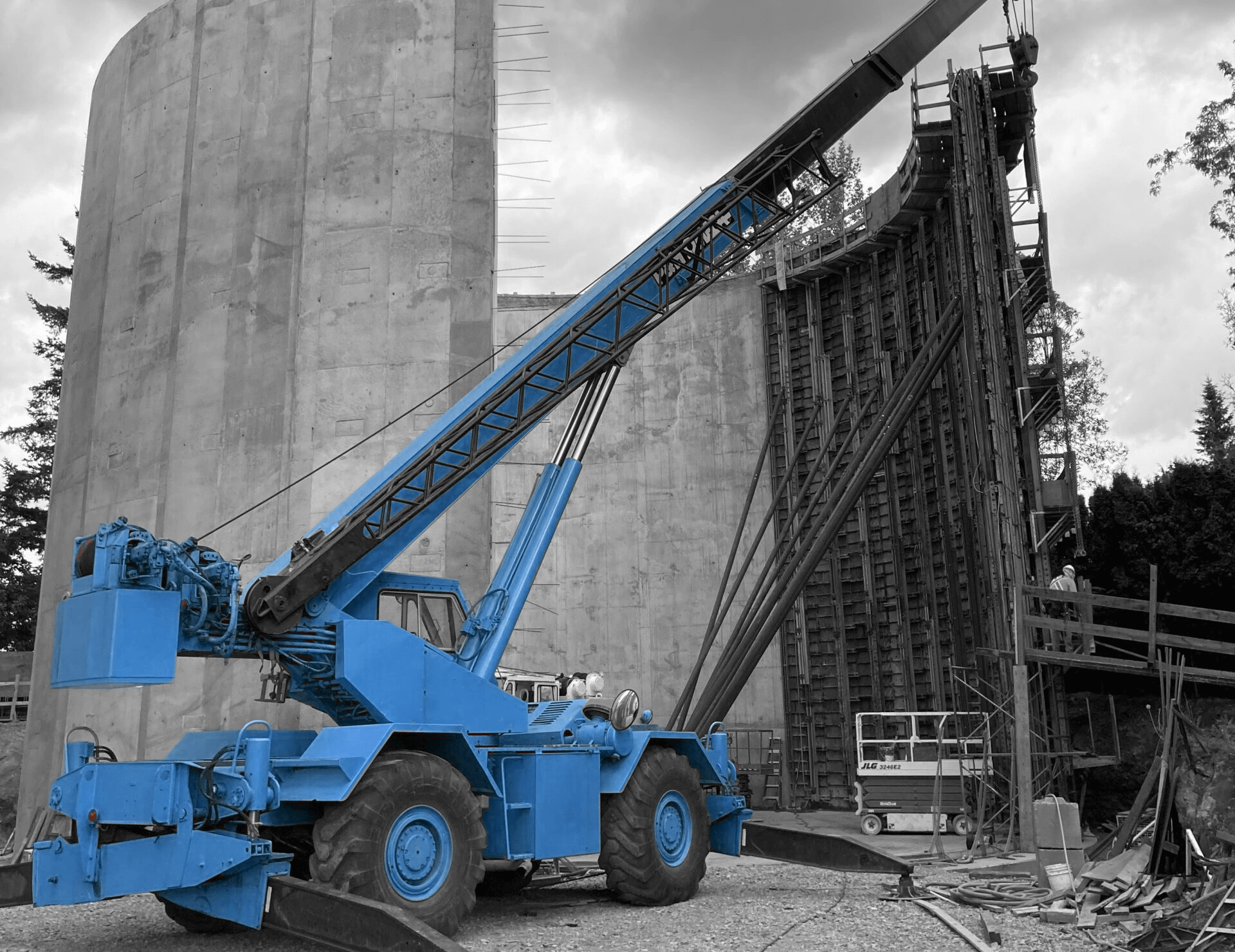
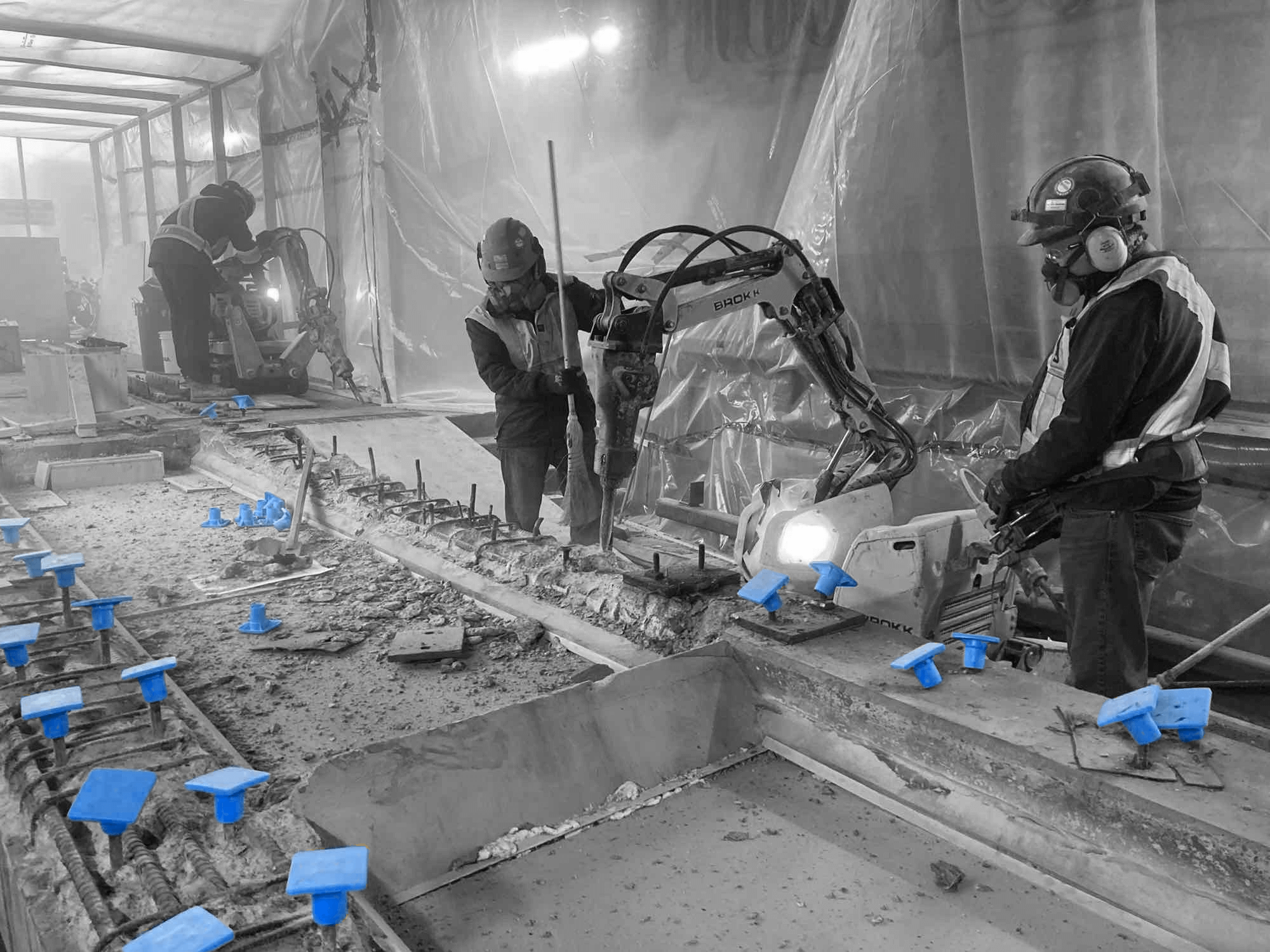
Self-perform construction means a contractor completes key scopes of work with its own crews, supervision, equipment, and management systems instead of relying entirely on subcontractors.
This does not mean subcontractors are never used. Many projects require specialized partners. The difference is that the contractor keeps direct control over critical scopes that influence safety, quality, and schedule.
Depending on the project, self-perform work may include:
- Civil construction
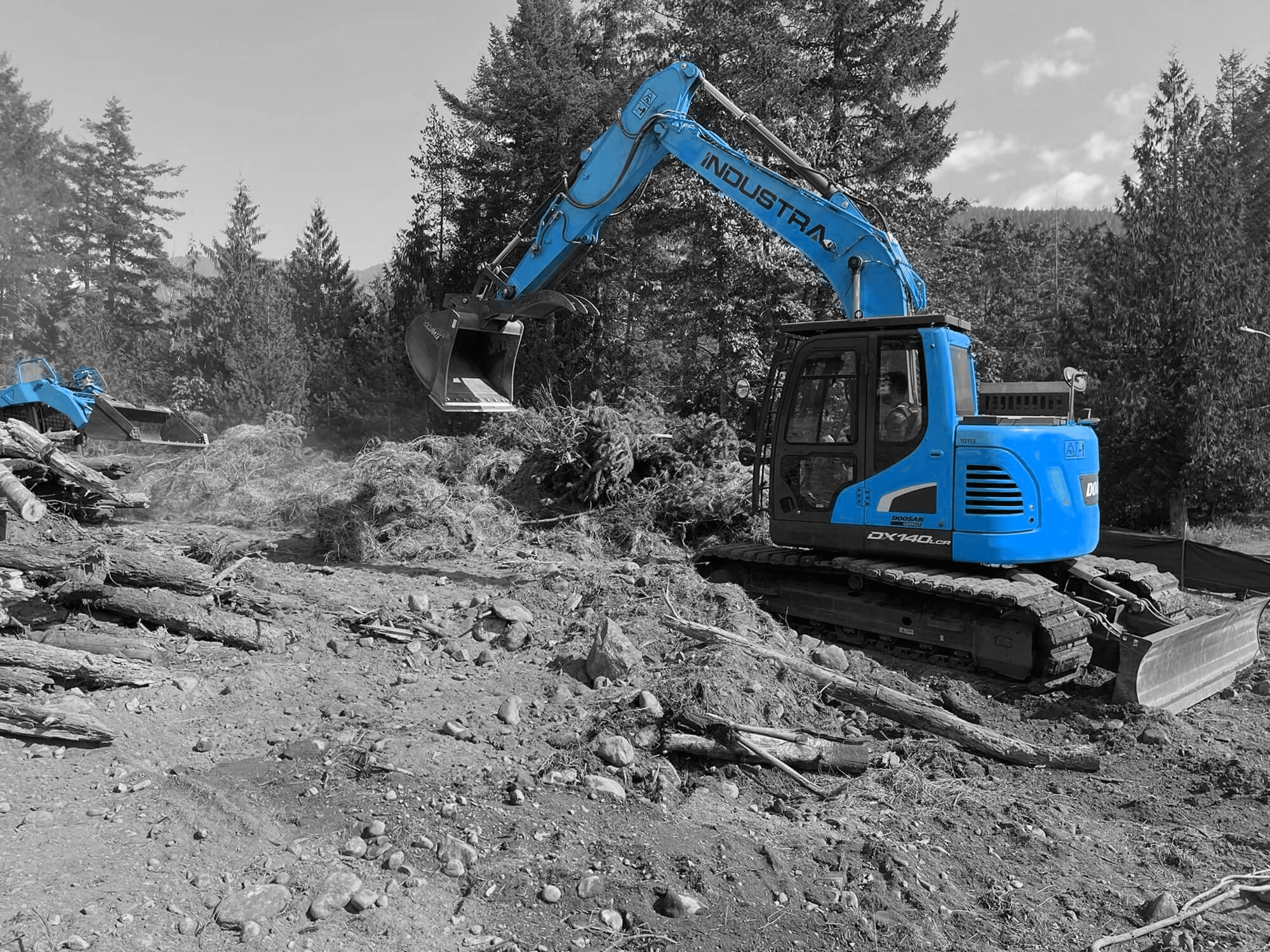
- Concrete work
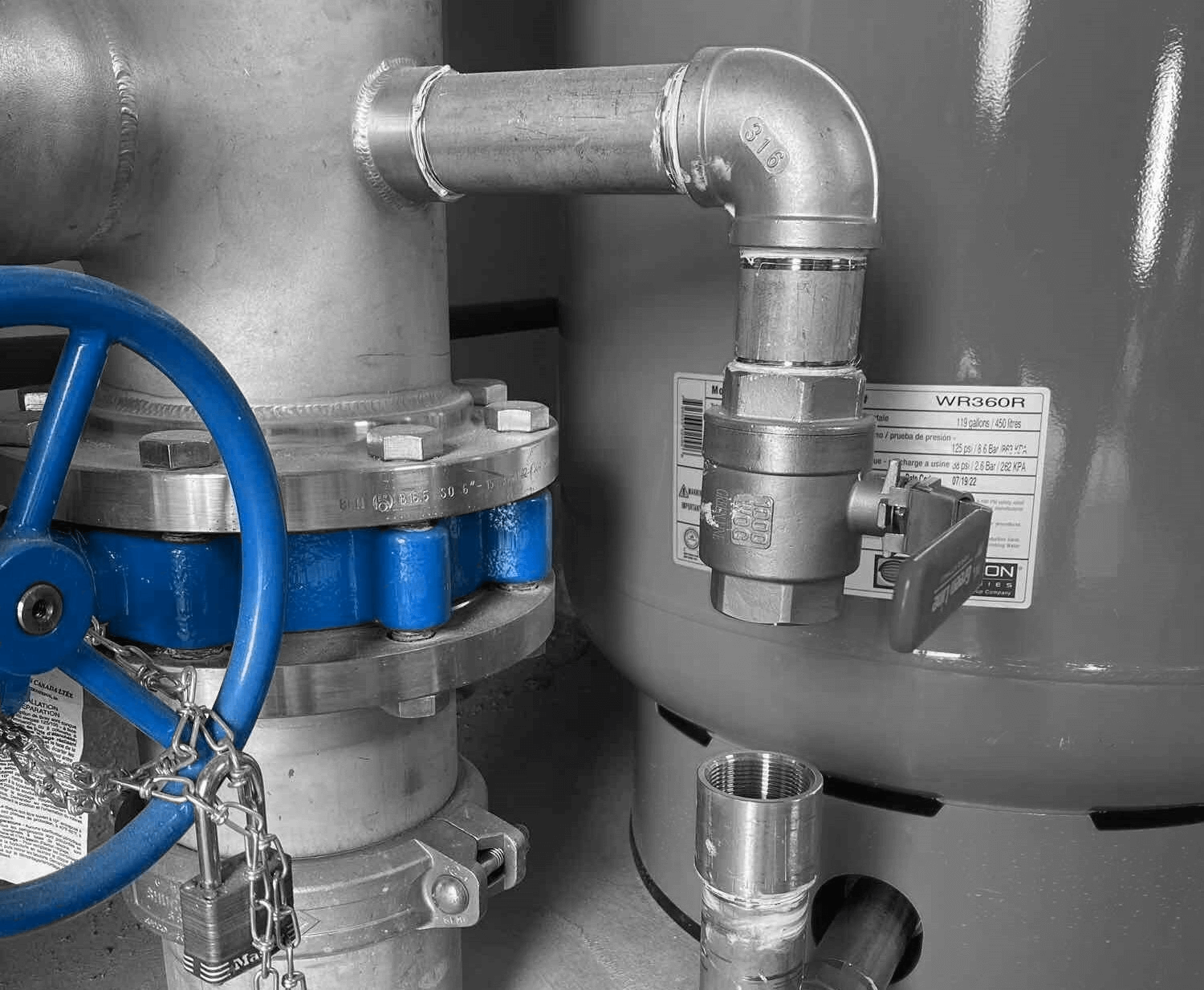
- Process mechanical installation
- Utility tie-ins
- Piping systems
- Equipment setting
- Structural work
- Site coordination
- Commissioning support
For complex projects, this direct control helps reduce handoffs, improve sequencing, and support faster decision-making in the field.
Why Schedule Control Matters On Complex Projects
On straightforward projects, schedule impacts can sometimes be absorbed. On complex infrastructure projects, one delay can affect several downstream activities.
This is common in water and wastewater construction, industrial upgrades, pump station replacements, institutional renovations, and remote infrastructure projects. These jobs often involve live systems, tight access, environmental controls, operating facilities, and public service requirements.
A delayed excavation can affect concrete placement. A missed mechanical installation window can affect electrical work. A late equipment delivery can affect commissioning. A postponed shutdown can push a project into a different season.
Self-perform construction gives the project team more control over these linked activities.
Fewer Handoffs Means Less Schedule Risk
Every handoff between companies introduces potential risk. Crews need to mobilize. Work areas need to be turned over. Details need to be clarified. If one party is late, the next party may not be available.
Self-perform construction reduces the number of handoffs on key work scopes. With more work completed by the same organization, coordination becomes more direct and practical.
This helps project teams:
- Adjust daily work plans faster
- Move crews between priority tasks
- Resolve sequencing issues in the field
- Reduce downtime between activities
- Improve accountability for production
- Maintain stronger site continuity
For owners, fewer handoffs can mean fewer gaps in communication and a more reliable path to completion.
Faster Response To Changing Field Conditions
Existing infrastructure can be unpredictable. Underground utilities may not match record drawings. Soil conditions may change across the site. Existing piping, valves, or structures may be found in different conditions than expected.
When these issues arise, schedule control depends on how quickly the team can assess the situation and take safe, practical action.
Self-perform contractors are better positioned to respond because the people planning the work are closely connected to the people executing it. Field crews, supervisors, project managers, quality teams, safety personnel, and engineering support can work together to determine the best path forward.
This is where Industra’s in-house capability provides real value. Our blog on how in-house engineering supports faster decisions during active construction explains why integrated technical support matters when field decisions cannot wait.
Stronger Control Over The Critical Path
The critical path is the sequence of activities that determines the overall project duration. On infrastructure projects, critical path items often include excavation, concrete, equipment installation, process tie-ins, testing, and commissioning.
When a contractor self-performs these scopes, it has greater ability to control the work that matters most to the schedule.
That control includes:
- Confirming crew availability
- Sequencing work around access restrictions
- Coordinating equipment and materials
- Monitoring daily production
- Adjusting manpower when needed
- Prioritizing work that protects the completion date
This is especially important on EPC and design-build projects, where engineering, procurement, and construction decisions are closely connected.
Better Labour Planning And Crew Continuity
Labour planning is one of the most important parts of schedule control. Complex projects require the right people at the right time, often with specialized experience in utilities, confined spaces, treatment systems, process mechanical work, or remote logistics.
Self-perform contractors can plan labour more effectively because they manage their own crews. This supports better forecasting, improved productivity tracking, and stronger continuity from one phase to the next.
Crew continuity matters. When workers understand the site, the hazards, the client’s operations, and the project sequence, they can work more efficiently and safely. Less time is lost to repeated orientation, rework, and coordination gaps.
This is particularly valuable in remote regions, where mobilization, travel, housing, and seasonal access must be carefully planned. Industra’s experience in remote and Arctic construction shows how labour planning must be tied directly to logistics planning.
Improved Coordination With Safety And Quality
Schedule control cannot come at the expense of safety or quality. A project that rushes work, misses inspections, or overlooks hazards often loses more time later through rework, incidents, shutdowns, or failed testing.
At Industra, safety is priority one. Our Zero Harm 365 approach means every task must be planned with hazards, controls, supervision, and communication in mind. Self-perform construction supports this by keeping safety planning close to the work.
It also strengthens quality control. When key scopes are performed by in-house crews, quality expectations can be communicated directly, inspections can be integrated into the work plan, and deficiencies can be addressed before they affect later phases.
For more on this, see our blog on how quality control during construction affects long-term asset performance.
Greater Flexibility During Active Construction
Even the strongest schedule needs flexibility. Weather changes. Suppliers adjust delivery dates. Owners may need to maintain operations during certain windows. Environmental conditions may limit access to specific areas.
Self-perform construction allows the project team to adapt without losing control.
For example, if one area is delayed by a utility conflict, crews may be reassigned to another work front. If a delivery is delayed, the team may shift to preparatory work, concrete, piping, or site services. If an operating facility needs to adjust a shutdown window, the project team can resequence around that constraint.
This flexibility is harder to achieve when every activity depends on separate subcontractor availability.
Support For Remote And Northern Project Delivery
Remote and northern projects carry added schedule risk. Materials may need to arrive by barge, winter road, aircraft, or long-haul trucking. Weather can shorten work windows. Limited local supply chains can make recovery difficult if planning is incomplete.
Self-perform construction improves control in these environments because the contractor can align labour, equipment, logistics, and sequencing under one coordinated plan.
For remote Arctic construction, this can include:
- Planning around seasonal access
- Coordinating freight and staging
- Supporting local hiring and training
- Reducing reliance on short-notice subcontractor mobilization
- Sequencing work for limited daylight or weather windows
- Preparing contingency plans before crews arrive
Our blog on what makes remote Arctic construction different from conventional project delivery provides more context on these conditions.
Better Communication With Owners
Owners need clear, accurate schedule information to make decisions. This is especially true for municipalities, First Nations governments, public agencies, and industrial operators managing funding requirements, operations, public communication, or regulatory commitments.
Self-perform construction helps improve reporting because project teams have direct access to field production information. Instead of relying only on third-party updates, the contractor can report based on what its own crews are seeing and completing.
This supports more accurate updates on:
- Progress
- Constraints
- Upcoming shutdowns
- Safety requirements
- Quality inspections
- Commissioning readiness
- Schedule recovery options
Better information leads to better decisions.
Where Self-Perform Capability Adds The Most Value
Self-perform construction is especially valuable when the project has high coordination demands or limited room for delay.
Examples include:
- Municipal pump station construction
- Water treatment plant upgrades
- Wastewater treatment upgrades
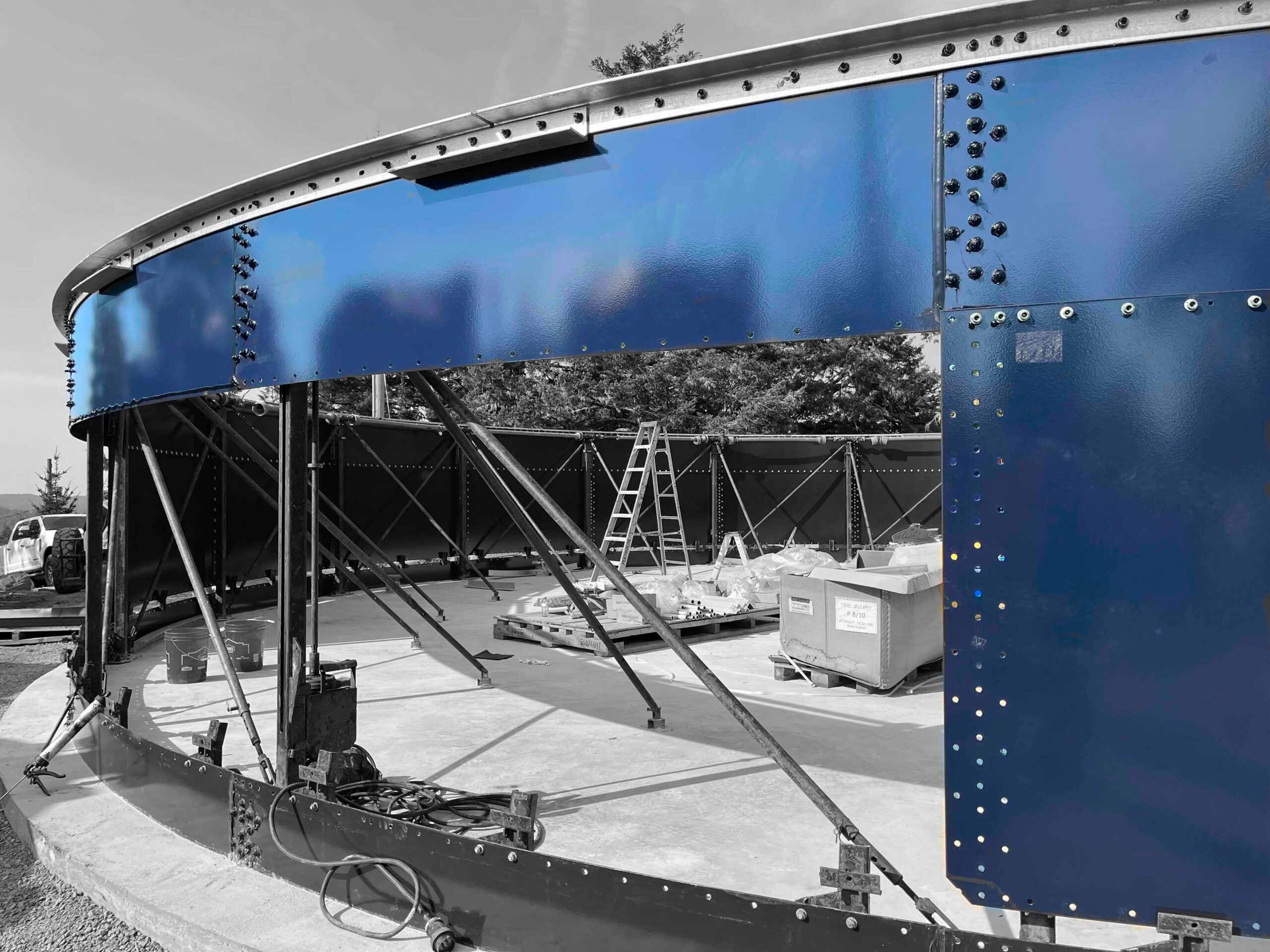
- Reservoir replacement projects
- Industrial facility upgrades
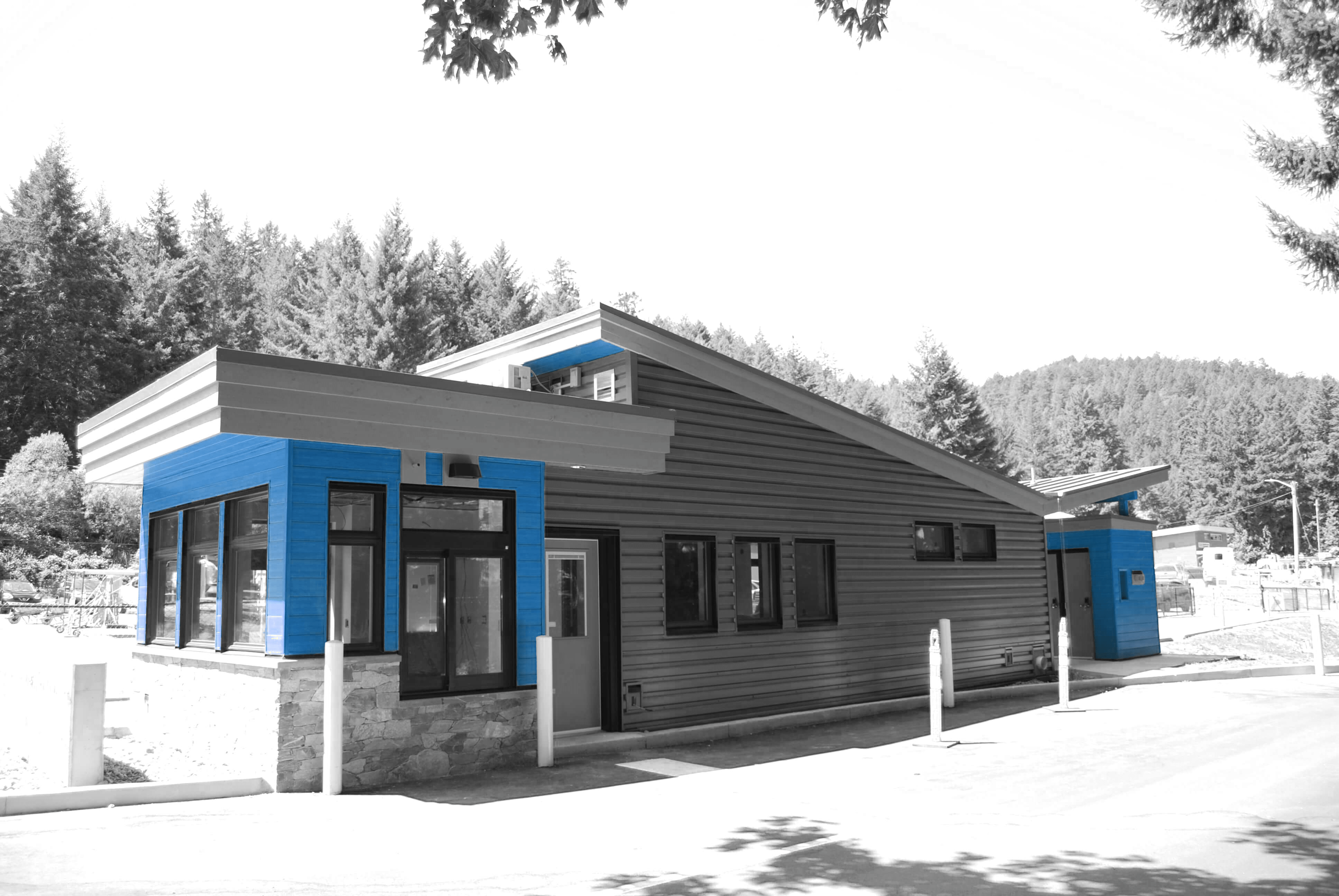
- Institutional building renovations
- Remote First Nations infrastructure projects
- Environmental construction near sensitive areas
- Projects with live utility tie-ins
- Projects requiring phased construction
In these environments, direct control over crews and sequencing can make the difference between a schedule that is simply planned and a schedule that is actively managed.
What Owners Should Ask Contractors
When selecting a contractor for a complex project, owners should ask specific questions about self-perform capability:
- Which scopes will be self-performed?
- What similar projects has the team completed?
- How are crews scheduled and supervised?
- How is safety integrated into daily work planning?
- How are quality inspections managed?
- How are field changes communicated?
- How does the contractor manage critical path activities?
- What resources are available for schedule recovery?
These questions help owners understand whether the contractor has real field capability or is primarily coordinating others.
Self-Perform Construction Creates Accountability
Self-perform construction improves schedule control because it brings planning and execution closer together. It reduces handoffs, improves labour planning, strengthens communication, and gives the project team more direct control over critical work.
For owners, that means greater confidence in how the project will be delivered. For communities, it supports reliable infrastructure completion. For industrial operators, it helps reduce disruption. For remote and First Nations projects, it supports stronger planning, local coordination, and practical field execution.
Industra brings self-perform construction, in-house engineering, safety-first planning, and quality management together to support complex infrastructure projects across Western and Central Canada.
To discuss an upcoming project, contact us today.