Blog

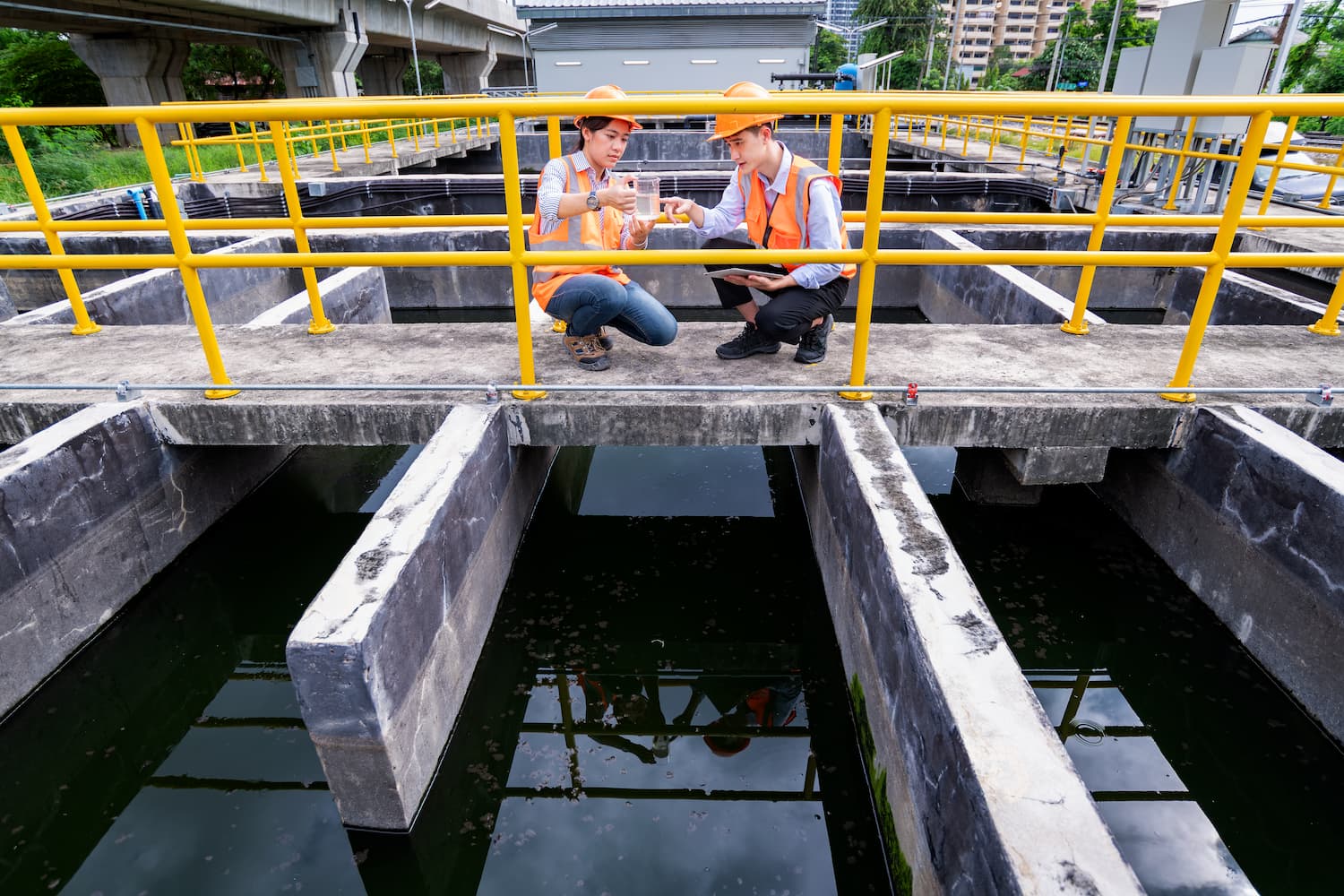
engineer at a waste water plant

Key Safety Considerations for Water and Wastewater Construction Projects

Water and wastewater construction projects are some of the most safety-sensitive jobs in the infrastructure sector. Crews often work around live utilities, confined spaces, deep excavations, active treatment processes, chemical systems, heavy lifting, and operating facilities that cannot simply shut down for the duration of construction. In many cases, the work must be completed while […]

Key Safety Considerations for Water and Wastewater Construction Projects Read More »
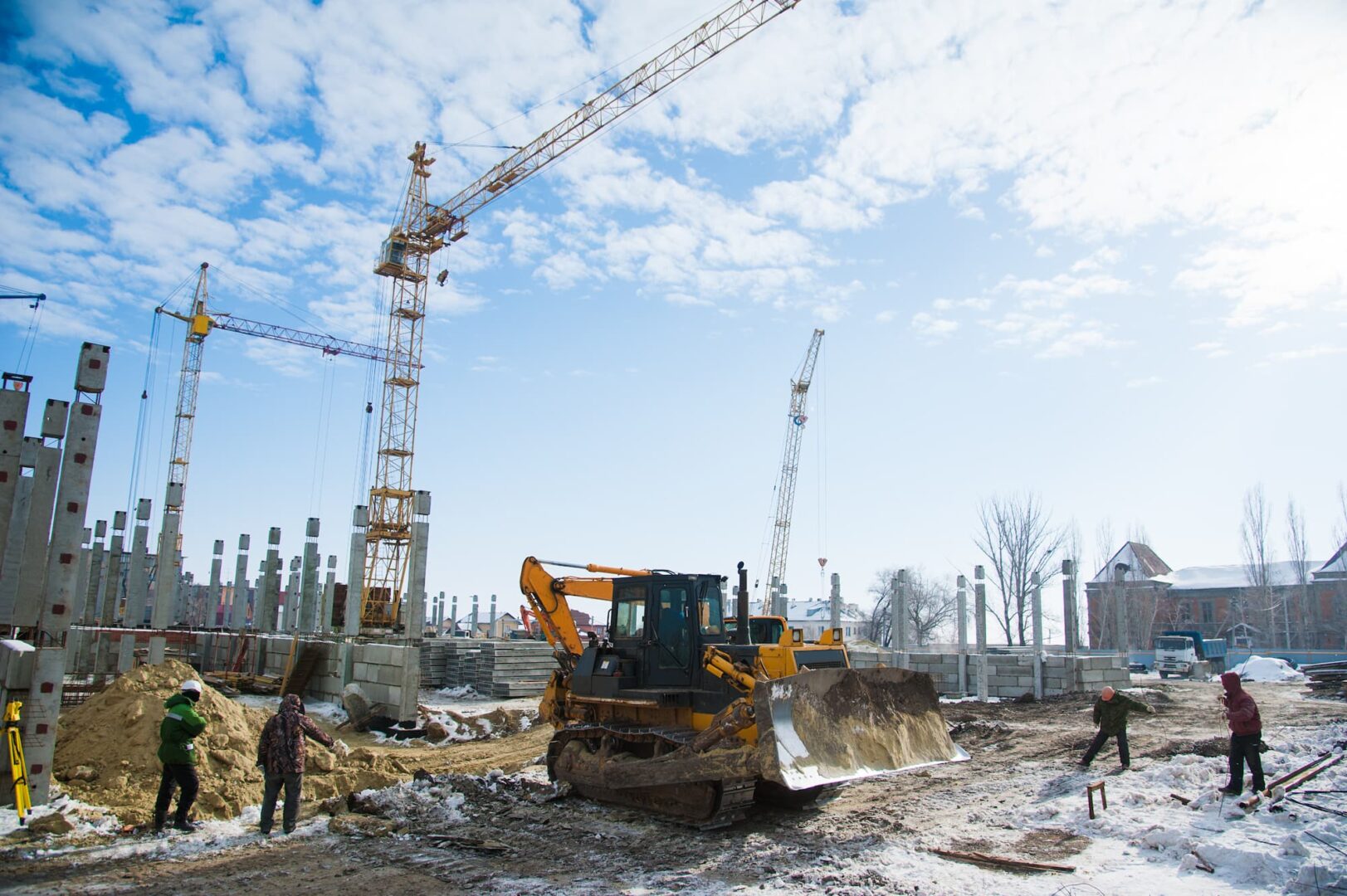
winter construction project

Planning Construction for Winter Conditions in Western Canada

Western Canada does not stop building when temperatures drop. Municipal infrastructure still needs to be upgraded, industrial facilities still require shutdowns and tie-ins, and communities still rely on contractors to deliver critical work safely and reliably. What changes in winter is not the need for construction. What changes is the level of planning required to

Planning Construction for Winter Conditions in Western Canada Read More »

winter construction site

Construction Planning for Winter Conditions in Western Canada

Construction does not stop when temperatures drop. Across British Columbia, Alberta, Saskatchewan, Manitoba, and the Northwest Territories, essential infrastructure projects continue through snow, frost, and extended periods of sub-zero weather. For municipalities, First Nations communities, industrial operators, and government agencies, delaying critical infrastructure work is often not an option. Winter construction in Western Canada requires

Construction Planning for Winter Conditions in Western Canada Read More »

construction workers overlooking a nature area

What Happens if Environmental Constraints Are Discovered After Design Is Complete?

In an ideal project lifecycle, environmental considerations are identified, assessed, and incorporated during early planning and design. In reality, many infrastructure projects across Canada encounter environmental constraints after detailed design is already complete. These discoveries can range from previously unidentified wetlands and wildlife habitat to contaminated soils, archaeological resources, or new regulatory interpretations. For municipalities,

What Happens if Environmental Constraints Are Discovered After Design Is Complete? Read More »

a worker planning outside

Why Environmental Protection Planning Must Start During Concept Design

Across Canada, environmental expectations for infrastructure projects continue to rise. Municipalities, First Nations, industrial operators, and public agencies are all under increased scrutiny to protect land, water, wildlife, and community health while still delivering critical infrastructure on time and within budget. Too often, environmental protection planning is treated as a box to check after concept

Why Environmental Protection Planning Must Start During Concept Design Read More »

engineer on site

Why In-House Engineering Matters on Complex Design-Build Projects

Across Canada, infrastructure projects are becoming more complex. Municipal growth, climate pressures, aging assets, tighter environmental regulations, and construction in remote or sensitive environments all demand more from project teams. For owners delivering water and wastewater facilities, industrial upgrades, institutional buildings, or infrastructure in northern and remote communities, traditional delivery models often struggle to keep

Why In-House Engineering Matters on Complex Design-Build Projects Read More »

construction building

Building Infrastructure That Lasts: Designing for Lifecycle Performance, Not Just Capital Cost

Across Canada, infrastructure owners are under increasing pressure to do more with limited funding. Municipalities, First Nations, and public agencies must replace aging assets, meet stricter environmental regulations, and plan for climate resilience. At the same time, they are expected to demonstrate fiscal responsibility and long-term value for public dollars. In this environment, capital cost

Building Infrastructure That Lasts: Designing for Lifecycle Performance, Not Just Capital Cost Read More »

construction site safety hats

Why Safety Performance Is a Leading Indicator of Project Success

In construction, safety is often discussed as a compliance requirement or a moral obligation. At Industra, we see it differently. Safety performance is one of the most reliable predictors of overall project success. When safety is strong, schedules stabilize, quality improves, teams communicate better, and risk is reduced across every phase of delivery. Across municipal,

Why Safety Performance Is a Leading Indicator of Project Success Read More »

construction near the ocean

Delivering Infrastructure Projects in Environmentally Sensitive Areas

Across Canada, much of the infrastructure that communities depend on is located in or near environmentally sensitive areas. Watercourses, wetlands, coastal zones, wildlife habitats, and culturally significant lands often overlap with the need for essential infrastructure such as water treatment plants, wastewater systems, pump stations, marine works, access roads, and environmental protection facilities. For municipalities,

Delivering Infrastructure Projects in Environmentally Sensitive Areas Read More »

construction managers on site

Why Quality Planning Matters More Than Speed in Government-Funded Projects

Government-funded infrastructure projects carry a level of responsibility that extends far beyond delivery dates. These projects are built with public funds, governed by strict regulatory frameworks, and expected to serve communities reliably for decades. While schedule pressure is real, especially when funding windows are tight, experience across Canada consistently shows that speed without quality planning

Why Quality Planning Matters More Than Speed in Government-Funded Projects Read More »