Tendering a design-build project is different from tendering a traditional design-bid-build contract. The owner is not simply asking contractors to price a completed set of drawings. The owner is asking qualified teams to take responsibility for design development, construction planning, cost control, schedule performance, quality, safety, and commissioning under one integrated delivery model.
For municipalities, First Nations, industrial operators, and public agencies, this can create strong value when the tender is properly prepared. A clear procurement process helps proponents price risk fairly, propose practical solutions, and align their approach with the owner’s long-term objectives.
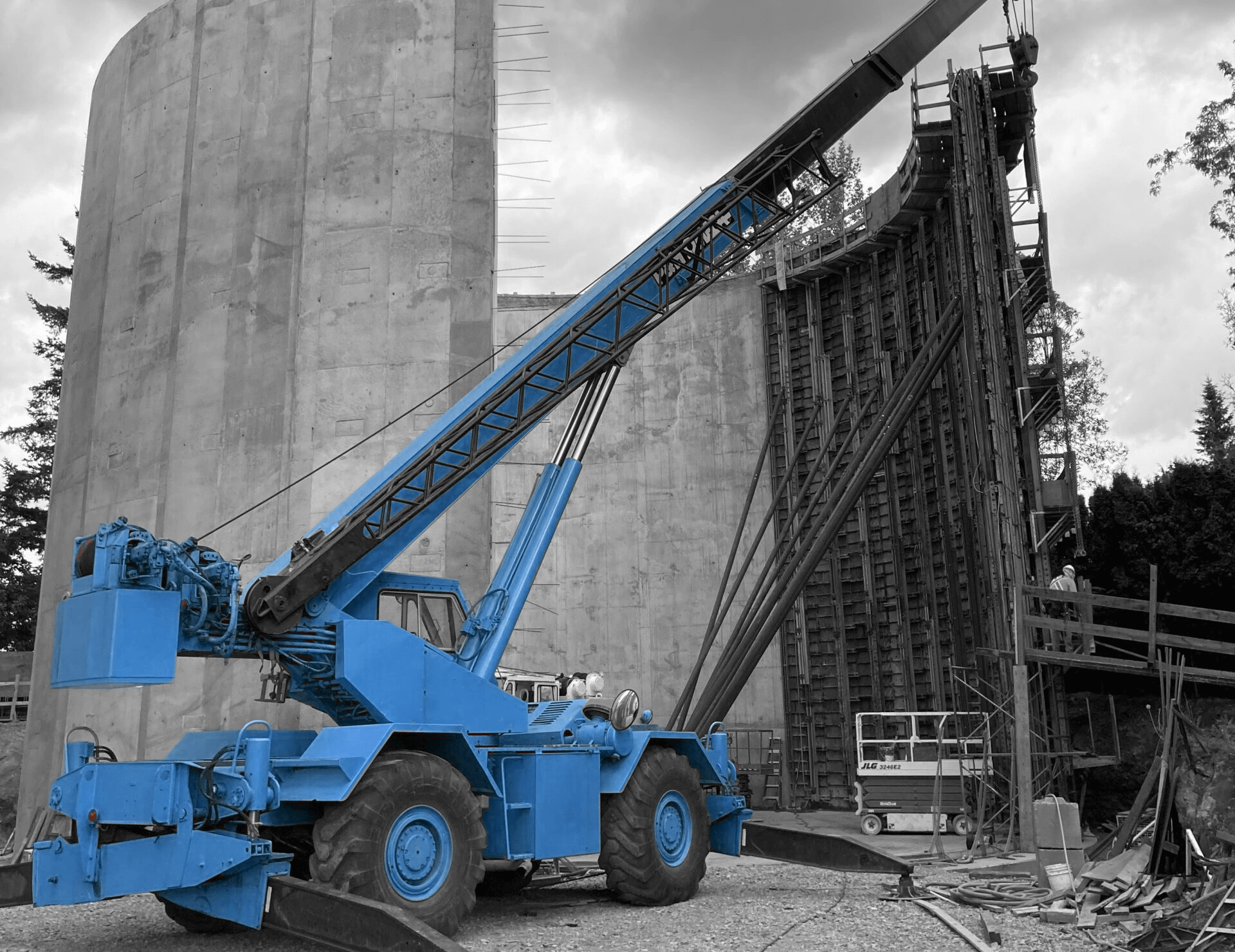
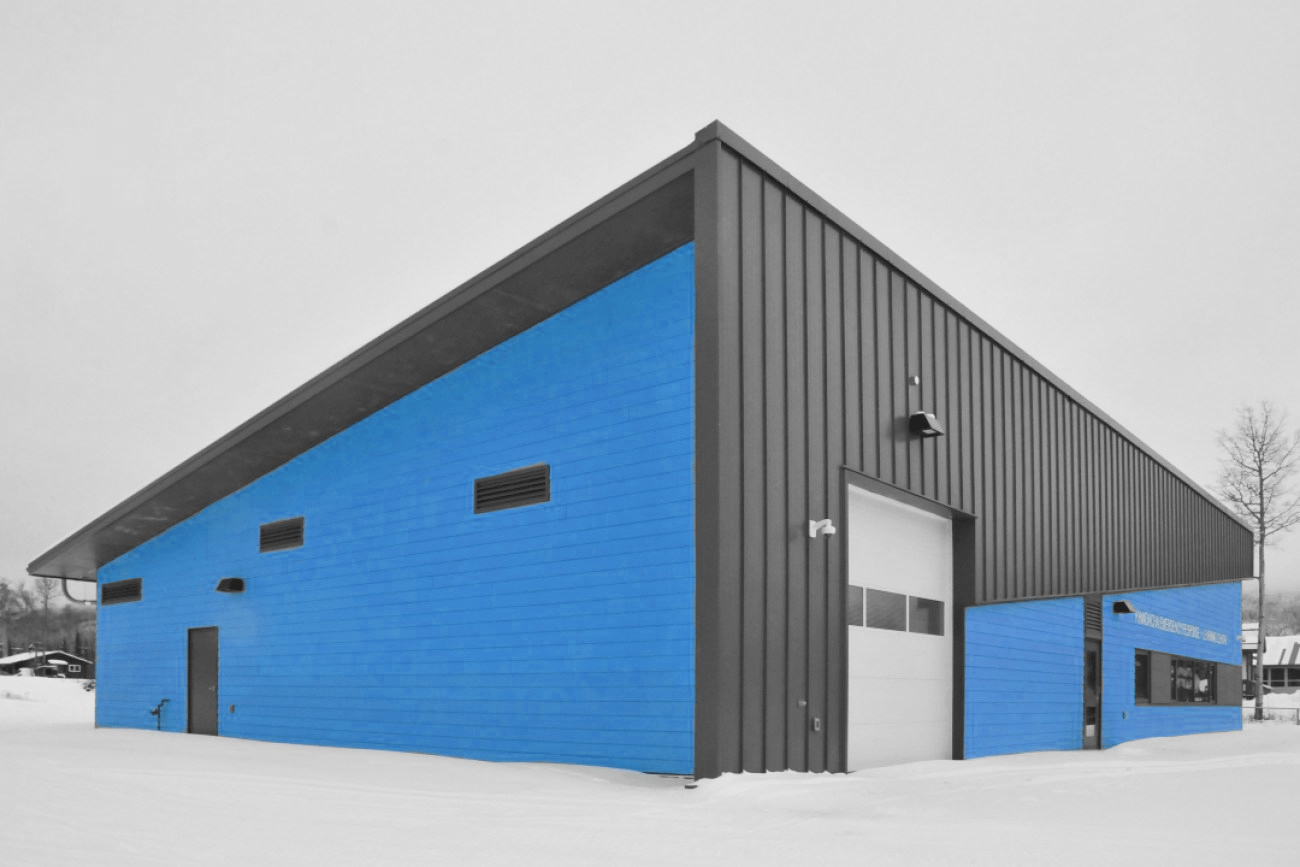
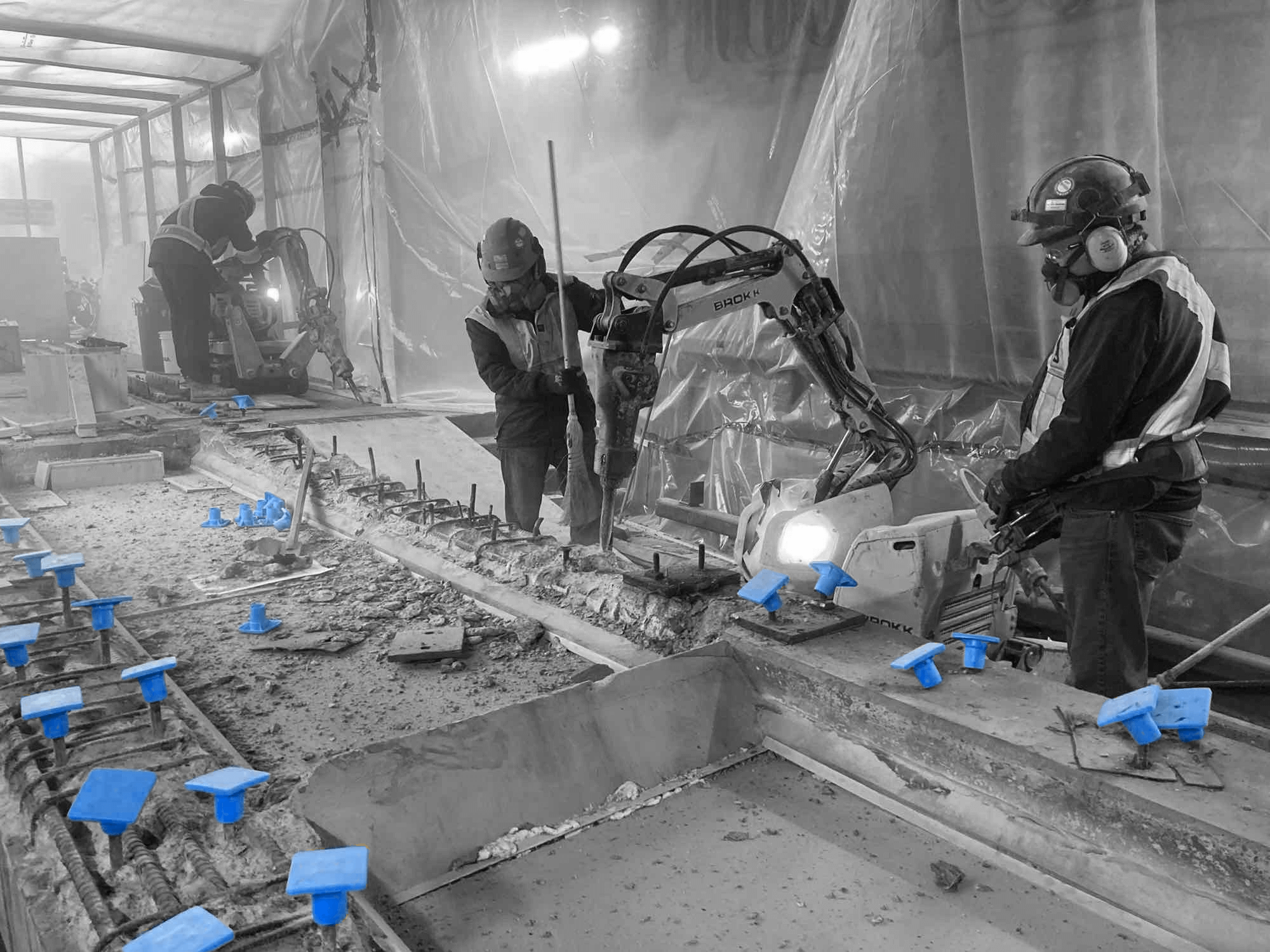
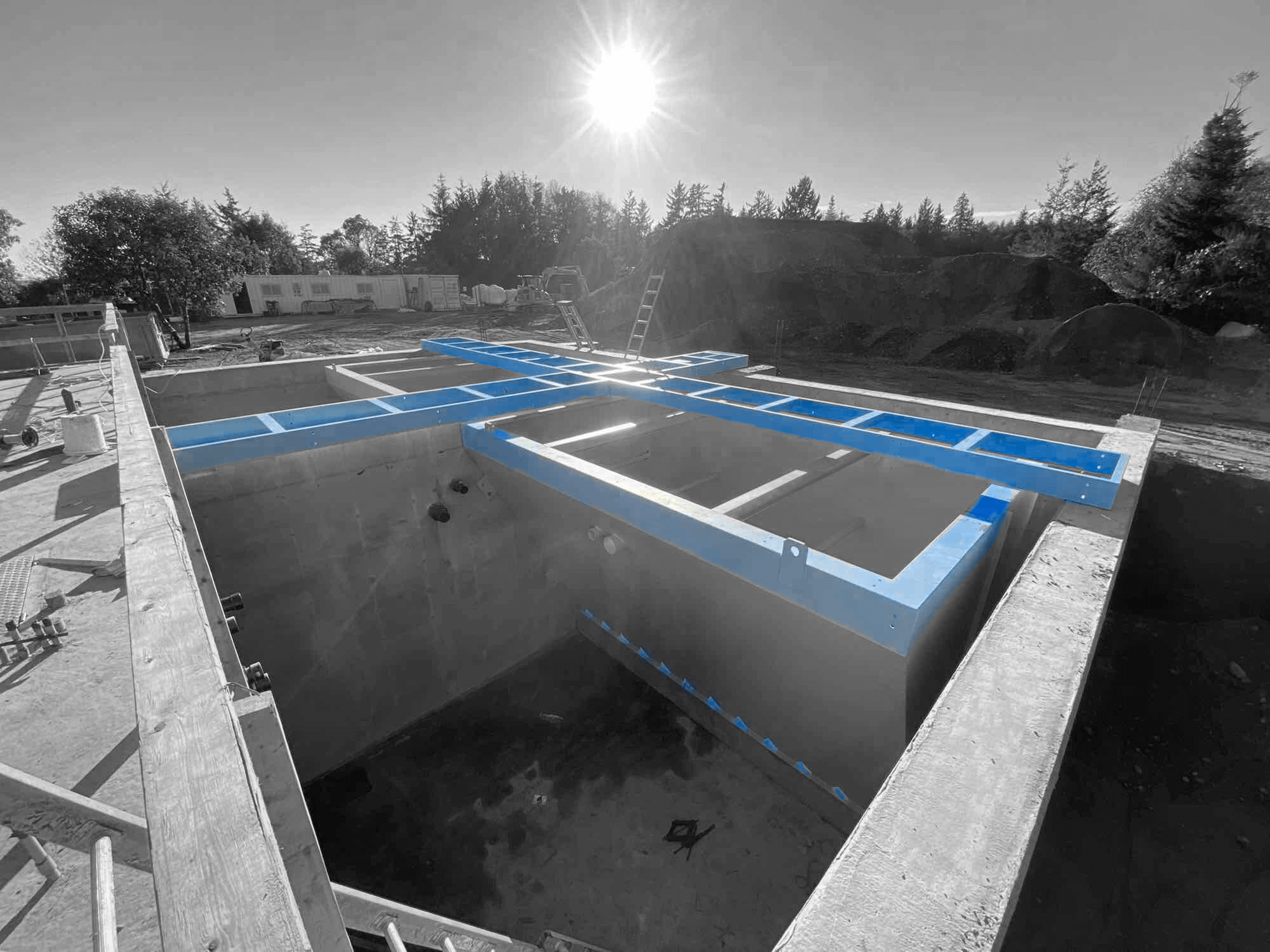
At Industra, our EPC / design-build work is built around single-source accountability, in-house engineering, self-perform construction, safety-first planning, and quality at every step. Before owners go to market, there are several practical items worth confirming.
Start With A Clear Project Definition
A successful design-build tender starts with a clear understanding of what the project must achieve.
Owners should define:
- Required capacity, performance, or service outcomes
- Site constraints and access limitations
- Existing utility conditions
- Environmental and permitting requirements
- Operator needs and maintenance expectations
- Budget and funding constraints
- Schedule drivers and shutdown windows
For a water and wastewater project, this may include treatment objectives, redundancy requirements, wet well conditions, tie-in constraints, and commissioning expectations. For an industrial upgrade, it may include operating windows, process shutdown limits, safety controls, and coordination with active facility staff.
The clearer the owner’s objectives are, the better the design-build team can develop a practical, buildable solution.
Understand What Should Be Prescriptive And What Should Be Performance-Based
One of the most important tender decisions is knowing where to be specific and where to allow innovation.
Prescriptive requirements tell proponents exactly what to provide. Performance-based requirements define the outcome and allow the design-builder to determine the best technical path.
Owners should be prescriptive where the requirement is fixed, such as:
- Regulatory compliance
- Site boundaries
- Existing asset interfaces
- Approved equipment preferences
- Community or operational requirements
- Safety and environmental expectations
Owners can be more performance-based where design-build value is possible, such as:
- Layout optimization
- Construction sequencing
- Material selection
- Prefabrication opportunities
- Access planning
- Lifecycle cost improvements
This balance is especially important on complex infrastructure projects. Overly prescriptive tenders can limit innovation. Tenders that are too vague can create pricing gaps, uneven proposals, and future disputes.
Confirm The Project Risk Profile
Design-build does not remove risk. It organizes risk under a more integrated delivery model.
Before tendering, owners should identify which risks are known, which are uncertain, and which party is best positioned to manage them. Common risks include:
- Geotechnical conditions
- Unknown buried utilities
- Contaminated soils
- Long-lead equipment
- Permitting timelines
- Seasonal access restrictions
- Remote logistics
- Operational shutdowns
- Third-party approvals
On remote Arctic or northern projects, risk planning may include barge windows, winter road availability, fly-in access, modularization, temporary heat, storage, fuel supply, and community coordination. These items should be addressed early so proponents can build realistic schedules and pricing.
Provide Reliable Background Information
Good information leads to better pricing.
Before issuing a tender, owners should assemble available reports, drawings, surveys, studies, and operational records. This may include:
- Record drawings
- Topographic survey
- Geotechnical reports
- Environmental assessments
- Utility locates
- Flow and capacity data
- Condition assessments
- Hazardous materials reports
- Existing equipment information
- Permits and approval history
For reservoir replacement projects, pump station upgrades, wastewater treatment upgrades, and industrial construction services, incomplete information can lead to assumptions that increase contingency or create avoidable change management later.
Our blog on designing infrastructure for lifecycle performance explains why early decisions should consider long-term operations, maintenance, and reliability, not only capital cost.
Set Evaluation Criteria Before Going To Market
Design-build procurement should not be decided on price alone.
Owners should define evaluation criteria that reflect the full value of the project. This may include:
- Relevant design-build experience
- Technical approach
- Safety program and project-specific hazard planning
- Quality management process
- Schedule realism
- Understanding of site constraints
- In-house engineering capability
- Self-perform capacity
- Remote or live-site experience
- Indigenous and community engagement approach
- Commissioning and turnover plan
For First Nations infrastructure projects, evaluation should also consider local employment, training, respectful engagement, and long-term community benefit. Our Indigenous Affairs approach supports field-level skills training, apprenticeship opportunities, and employment opportunities where appropriate.
Build Safety And Quality Into The Tender
Safety and quality should never be treated as afterthoughts or generic submittals.
Owners should require proponents to explain how they will manage:
- Site-specific hazard assessments
- Traffic and public interface risks
- Confined space work
- Lifting and rigging
- Excavation safety
- Lockout and isolation
- Environmental controls
- Inspection and test plans
- Commissioning verification
- Deficiency management
At Industra, safety is priority one through Zero Harm 365. Our Safety & Quality approach is tied directly to planning, supervision, quality control, and field execution. A design-build tender should ask teams to demonstrate how safety and quality will be built into the work from design through turnover.
Consider Constructability Before Tender Release
Constructability input is one of the main advantages of design-build. Owners can strengthen the tender by identifying known constraints and allowing proponents to address them early.
Important constructability questions include:
- Can the site support the proposed staging area?
- Are shutdowns realistic?
- Are access routes suitable for equipment delivery?
- Are tie-ins clearly defined?
- Can existing operations continue safely?
- Are long-lead items identified?
- Is temporary bypassing required?
- Can prefabrication reduce field exposure or schedule risk?
For municipal pump station construction, wastewater treatment upgrades, and water treatment plant construction, constructability directly affects cost, safety, commissioning, and service continuity.
Plan For Permits, Approvals, And Stakeholders
Design-build projects still require disciplined approval planning.
Owners should clarify which permits are in place, which are pending, and which will be transferred to the design-builder. This may include environmental approvals, building permits, utility permits, road occupancy permits, fisheries requirements, and local authority reviews.
Stakeholder coordination should also be defined early. Municipal staff, operators, regulators, Indigenous governments, local residents, industrial operations teams, and funding agencies may all need input at different stages.
Clear responsibility for submissions, review periods, and decision-making authority helps avoid schedule delays.
Define Communication And Decision-Making Expectations
Design-build works best when communication is structured and decisions are timely.
Tender documents should identify:
- Owner representatives
- Required meeting cadence
- Review timelines
- Design submission stages
- Change management process
- Reporting requirements
- Commissioning and turnover expectations
A strong design-build contractor Canada owners can rely on will bring structure to these conversations, but the owner’s internal decision process must also be ready. Delayed decisions can affect procurement, fabrication, construction sequencing, and commissioning.
Look Beyond The Tender Price
The lowest initial price does not always represent the best long-term value.
Owners should consider total cost of ownership, including:
- Energy use
- Maintenance access
- Equipment standardization
- Spare parts availability
- Operator safety
- Durability
- Future expansion
- Lifecycle replacement costs
This is especially important for essential infrastructure such as treatment plants, reservoirs, lift stations, and industrial process facilities. A well-planned EPC contractor Western Canada approach should consider how the asset will perform after construction is complete.
Prepare For A Stronger Design-Build Tender
Before tendering a design-build project, owners should confirm that the procurement package is clear, fair, and technically complete enough to support strong proposals.
The best tender packages define the required outcomes, disclose available information, allocate risk appropriately, evaluate value beyond price, and create room for experienced design-build teams to improve constructability, schedule, safety, and lifecycle performance.
Industra brings in-house engineering, multi-discipline self-perform capability, and experience across municipal, First Nations, industrial, institutional, remote, and environmental construction. For owners planning a design-build or EPC project, early contractor engagement can help clarify scope, reduce uncertainty, and support a safer, more reliable tender process.
To discuss an upcoming project, contact us today.