Municipalities across Canada face a dual challenge: modernizing aging infrastructure and doing so in a way that aligns with environmental responsibility. In the past, sustainability was often treated as an optional add-on to infrastructure projects. Today, it’s a necessity and for good reason. Sustainable infrastructure reduces long-term costs, conserves natural resources, and builds community resilience in the face of climate change.
At Industra Construction Corp, we believe that practical, sustainable construction is not only achievable but essential. Through our design-build and EPC delivery models, we help municipalities create infrastructure that performs today and endures tomorrow.
Here we’ll dive into actionable, realistic sustainable practices for municipal infrastructure. From choosing materials to leveraging smart technologies and overcoming budget constraints, we’ll guide you through strategies that make sense and make a difference.
The Growing Need for Sustainable Municipal Infrastructure
Canada’s municipalities are on the front lines of climate adaptation. Flooding, drought, extreme weather events, and energy insecurity are becoming regular features in planning conversations. As urban populations grow and infrastructure ages, sustainability is a service delivery imperative.
Why sustainability matters now more than ever:
- Climate resilience: Systems must withstand increasing environmental stressors.
- Cost efficiency: Energy-efficient infrastructure leads to long-term operational savings.
- Community expectations: Residents expect public works that reflect environmental values.
- Regulatory compliance: Municipalities face increasing pressure to meet environmental standards.
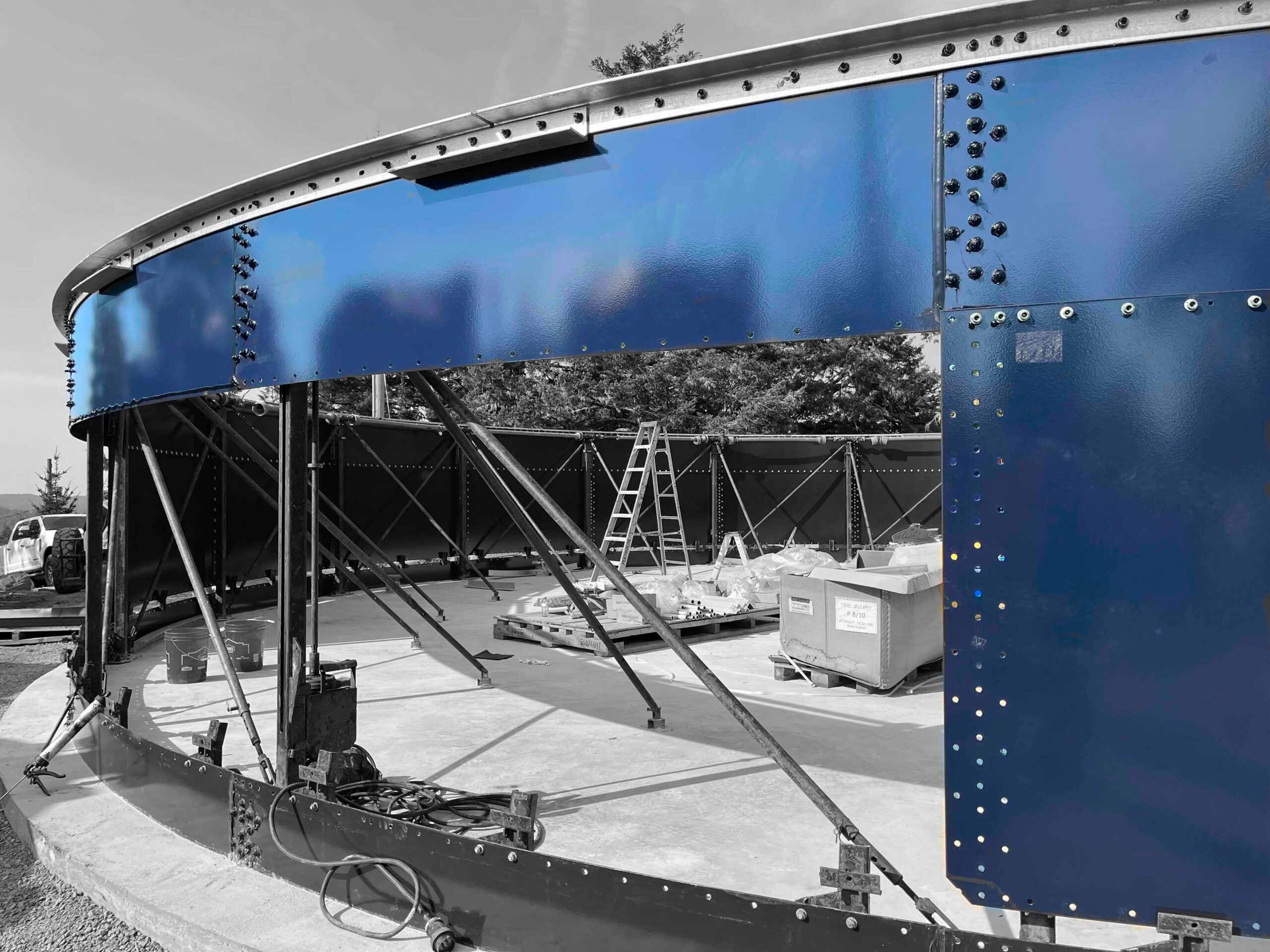
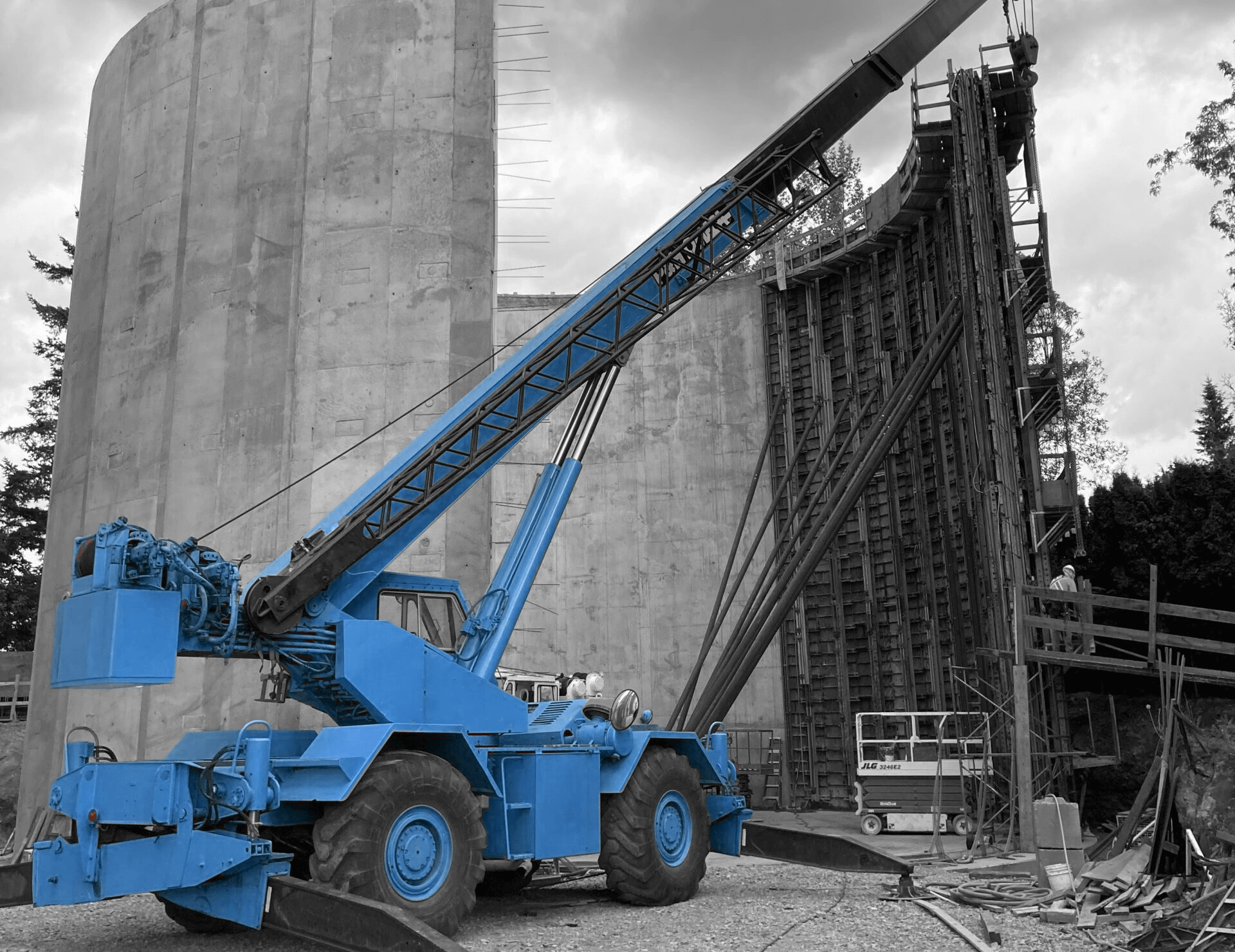
At Industra, we’ve worked with municipalities across B.C. and Western Canada to build infrastructure that addresses these needs. Projects like the Clearbrook Water Storage Reservoir Replacement and Rossland Water Treatment Plant Improvements reflect a deep integration of sustainable principles into every stage, from design to commissioning.
Design-Build and EPC Models: Enablers of Sustainable Public Works
When it comes to implementing sustainable infrastructure, project delivery matters just as much as materials or technologies. Traditional models, which separate design and construction, often lead to inefficiencies and missed opportunities. That’s where the design-build and EPC (Engineering, Procurement, Construction) approaches excel.
Here’s why municipalities should consider these models for sustainability:
1. Early Integration of Sustainable Goals
Design-build allows sustainability to be factored in from day one, not bolted on later.
2. Faster Project Delivery
Accelerated schedules reduce environmental disruption and labor emissions.
3. Single Point of Accountability
One team is responsible for hitting sustainability, budget, and timeline goals.
4. Cost Predictability
Lifecycle cost analysis can be embedded in procurement and decision-making.
A great example of this model in action is the Sooke Wastewater Treatment Plant Expansion, where we coordinated design and construction under one roof. This allowed us to optimize for energy efficiency and minimize construction waste without compromising delivery timelines.
Materials and Methods: Choosing Sustainable Construction Techniques
Material choices have a huge environmental impact. From emissions generated during manufacturing to long-term durability, every decision affects the sustainability profile of a municipal project.
Sustainable Construction Techniques Include:
- Recycled aggregates in concrete and asphalt
- Low-carbon concrete mixes
- Steel with high recycled content
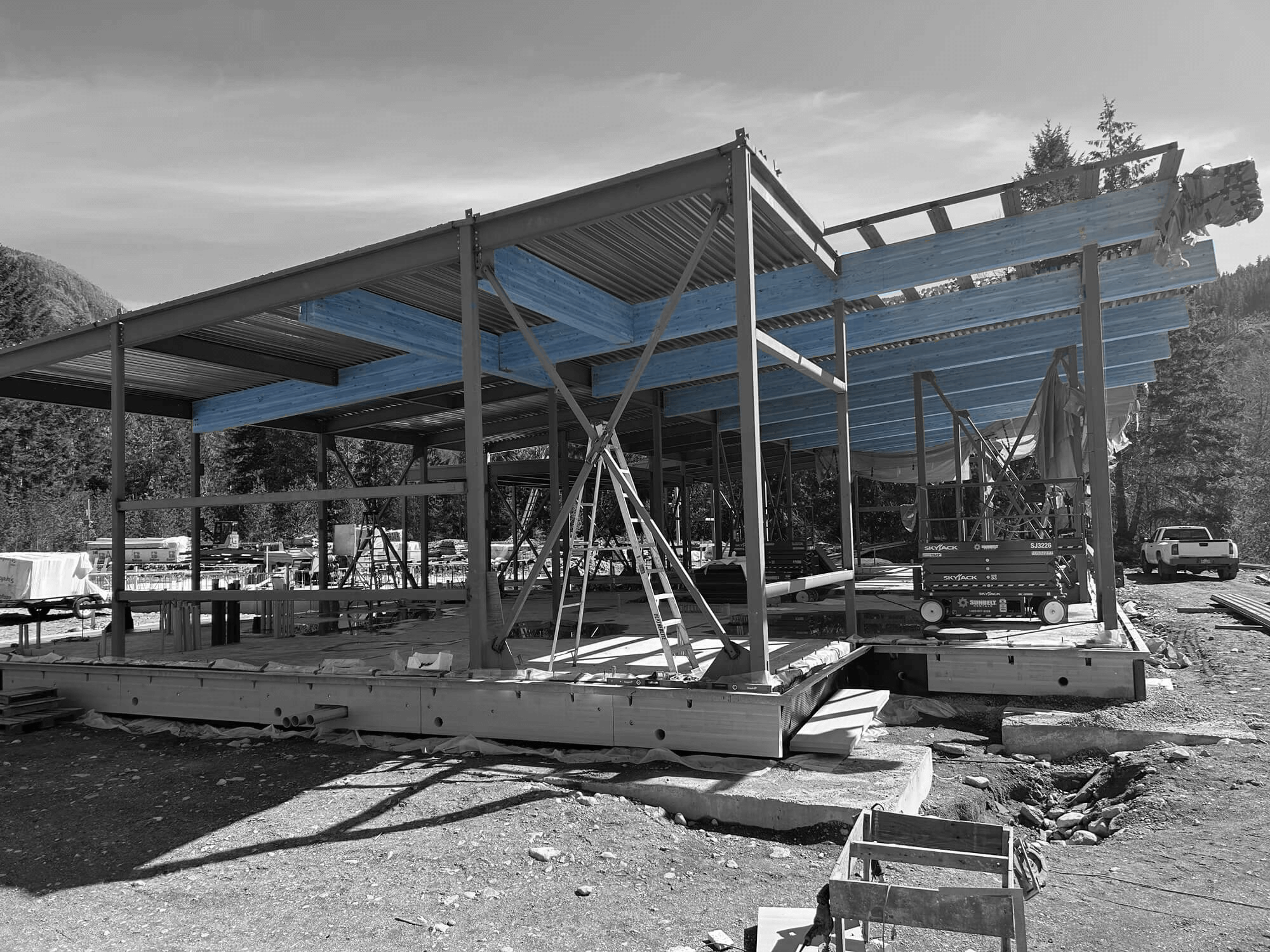
- Prefabricated and modular systems to reduce waste and on-site emissions
- LED lighting and daylighting in facilities
- High-efficiency HVAC and water systems
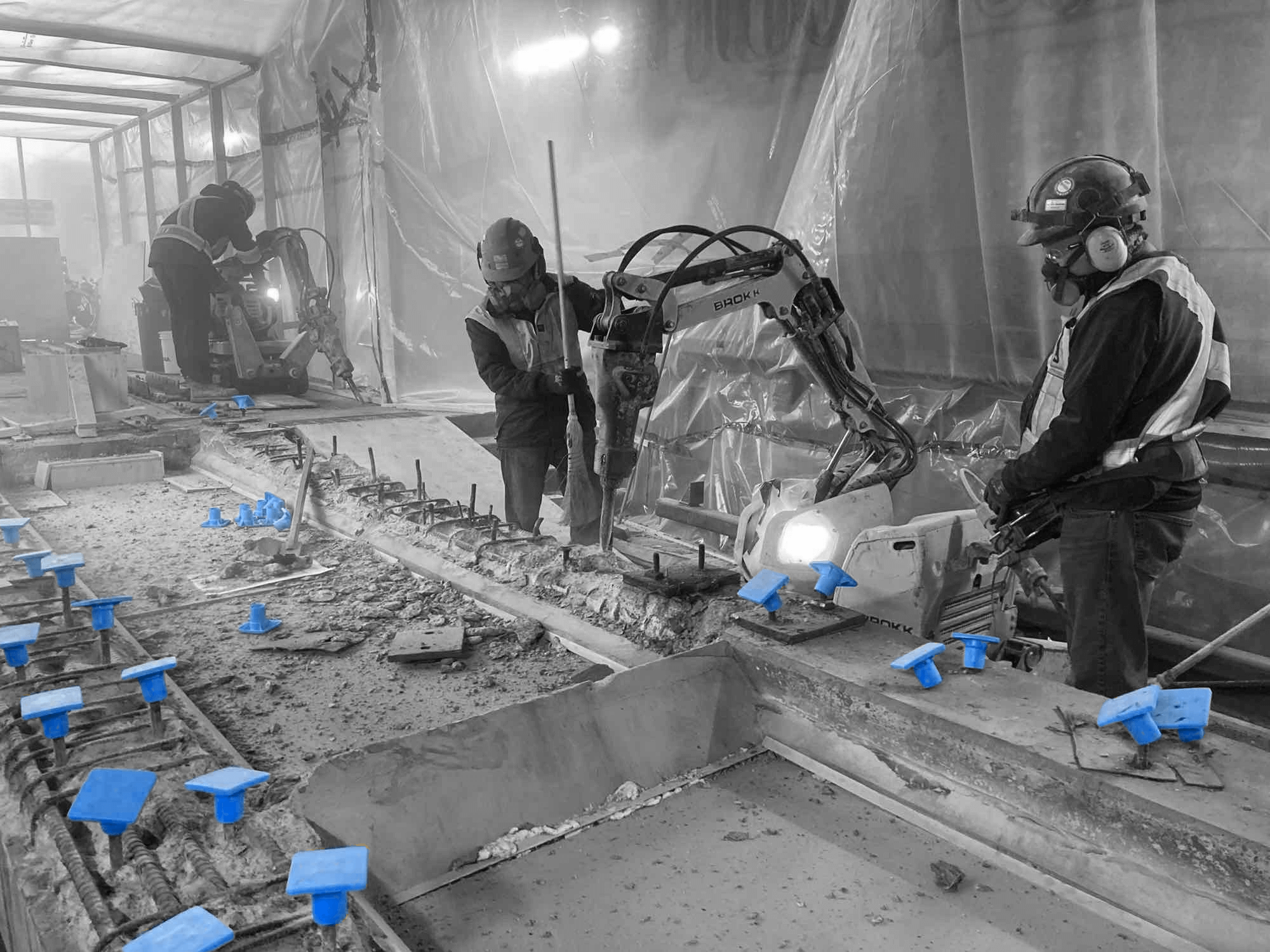
On projects like the Colebrook Pump Station Replacement, we prioritized energy-efficient components and minimal-disruption construction methods. The result: lower emissions, better lifecycle performance, and a more community-friendly build process.
These material decisions directly affect O&M costs, replacement schedules, and carbon footprints for decades to come.
Sustainable Water and Wastewater Infrastructure
Water and wastewater systems are among the most resource-intensive parts of municipal infrastructure. They require constant pumping, treatment, and monitoring. But they also represent major opportunities for sustainability, especially in long-term cost and energy savings.
Key Practices Include:
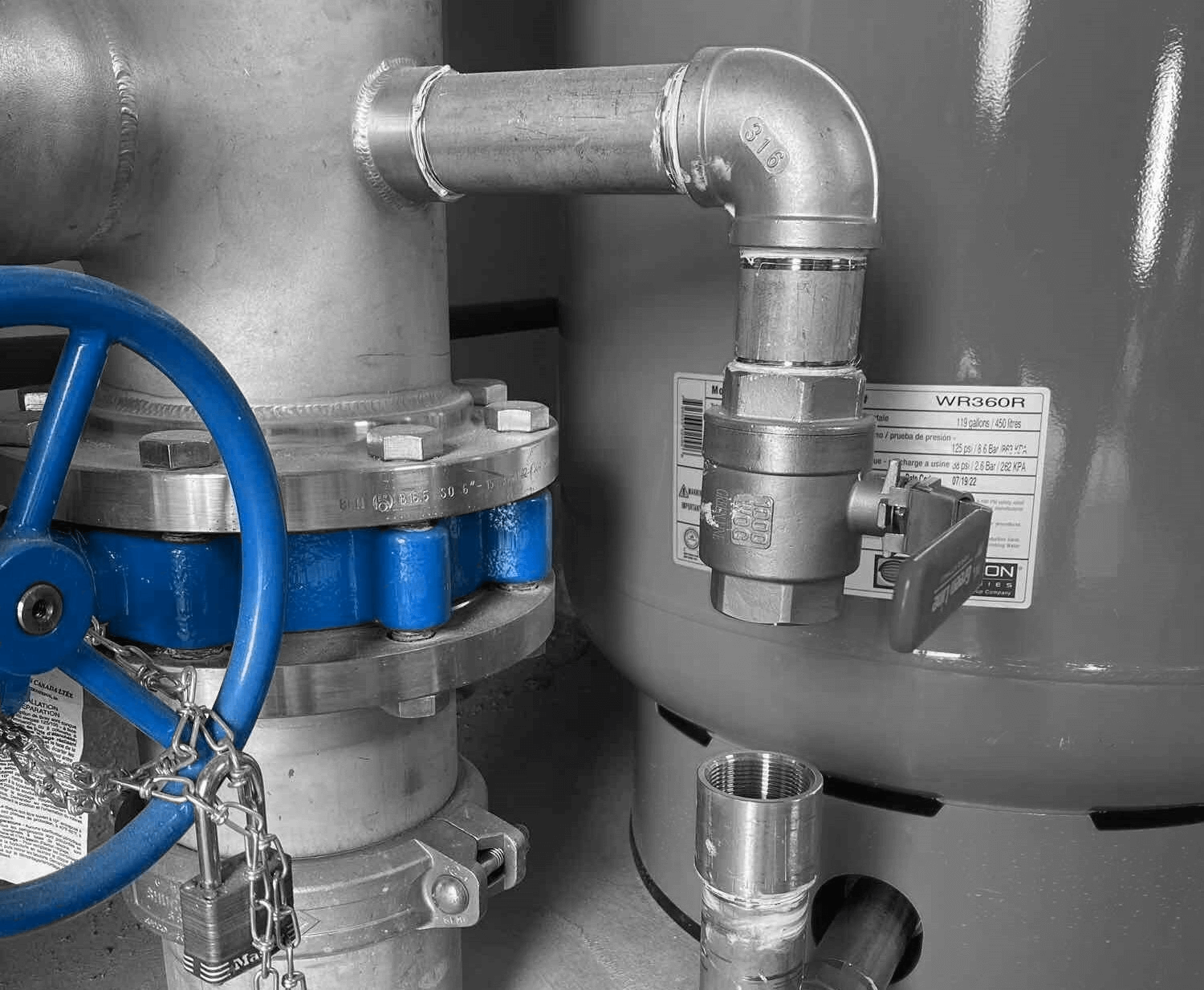
- Variable frequency drives (VFDs) for pumps to optimize energy use
- Energy recovery systems at treatment plants
- SCADA automation for real-time efficiency
- Wetland integration for natural filtration
- Gravity-fed designs to reduce energy needs
At Industra, we’ve implemented many of these innovations on projects like:
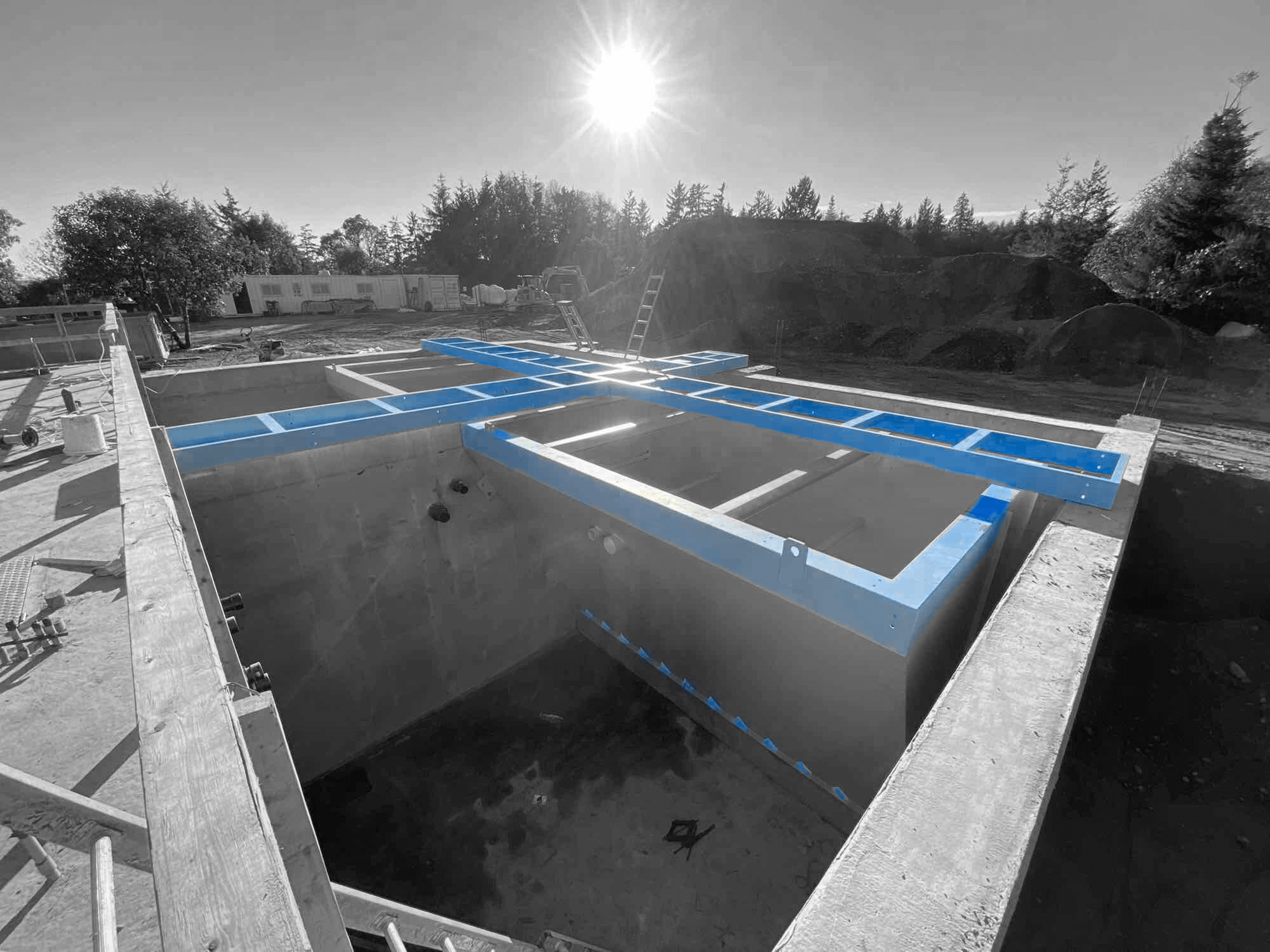
These projects combine advanced treatment technologies with optimized layouts to reduce energy consumption and environmental footprint. And because they were delivered through our integrated EPC model, we were able to identify and implement efficiency opportunities from the earliest design stages.
Smart Infrastructure: The Role of Technology in Sustainability
Technology is a game-changer in infrastructure sustainability. From real-time sensors to predictive analytics, smart systems help municipalities do more with less. Less energy, less water, less maintenance.
Sustainable Tech Tools Include:
- SCADA Systems: Allow remote monitoring and control of water and wastewater systems.
- IoT Sensors: Detect leaks, usage patterns, and system inefficiencies.
- Digital Twins: Simulate infrastructure performance for proactive planning.
- Automated Controls: Manage HVAC, lighting, and system loads with precision.
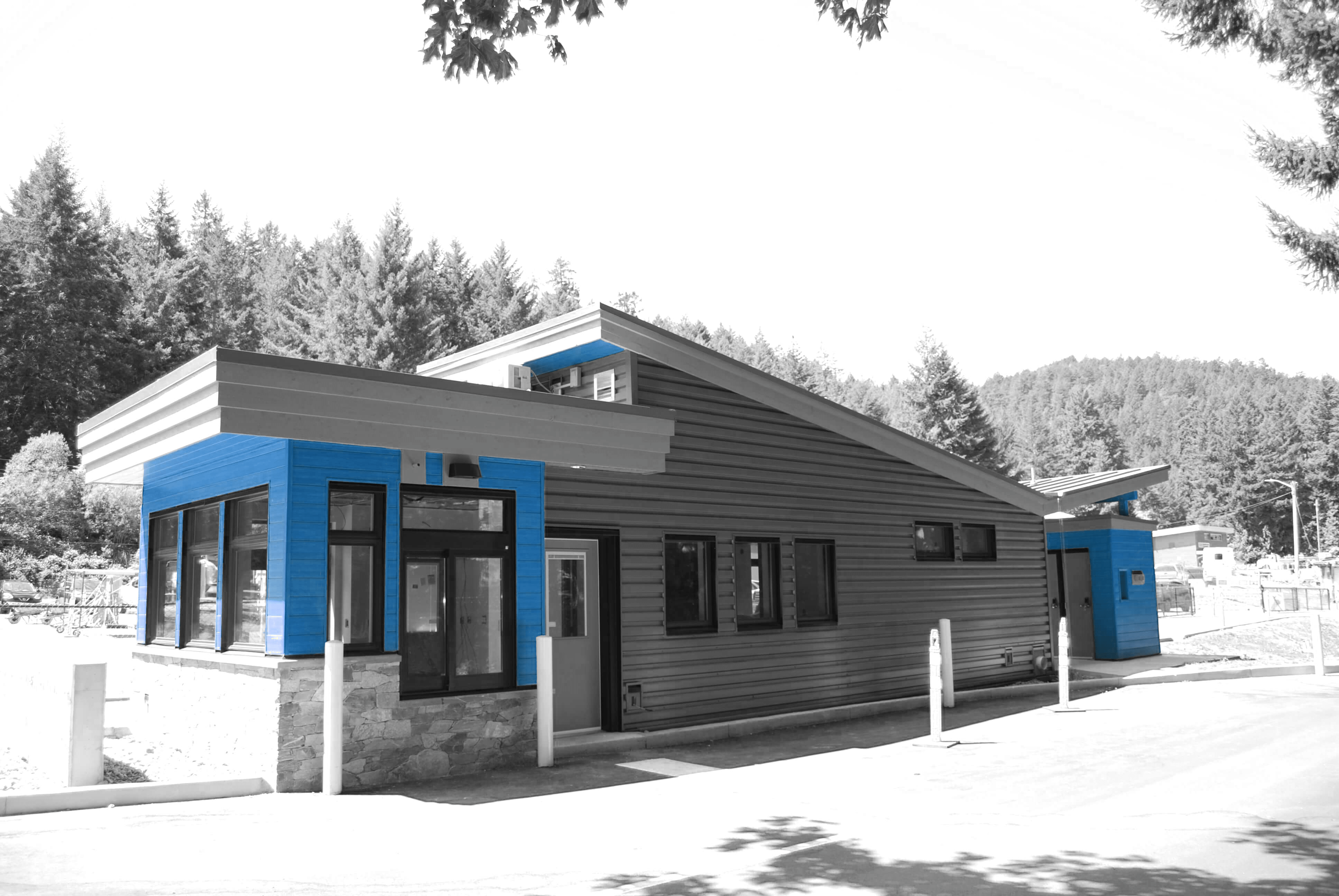
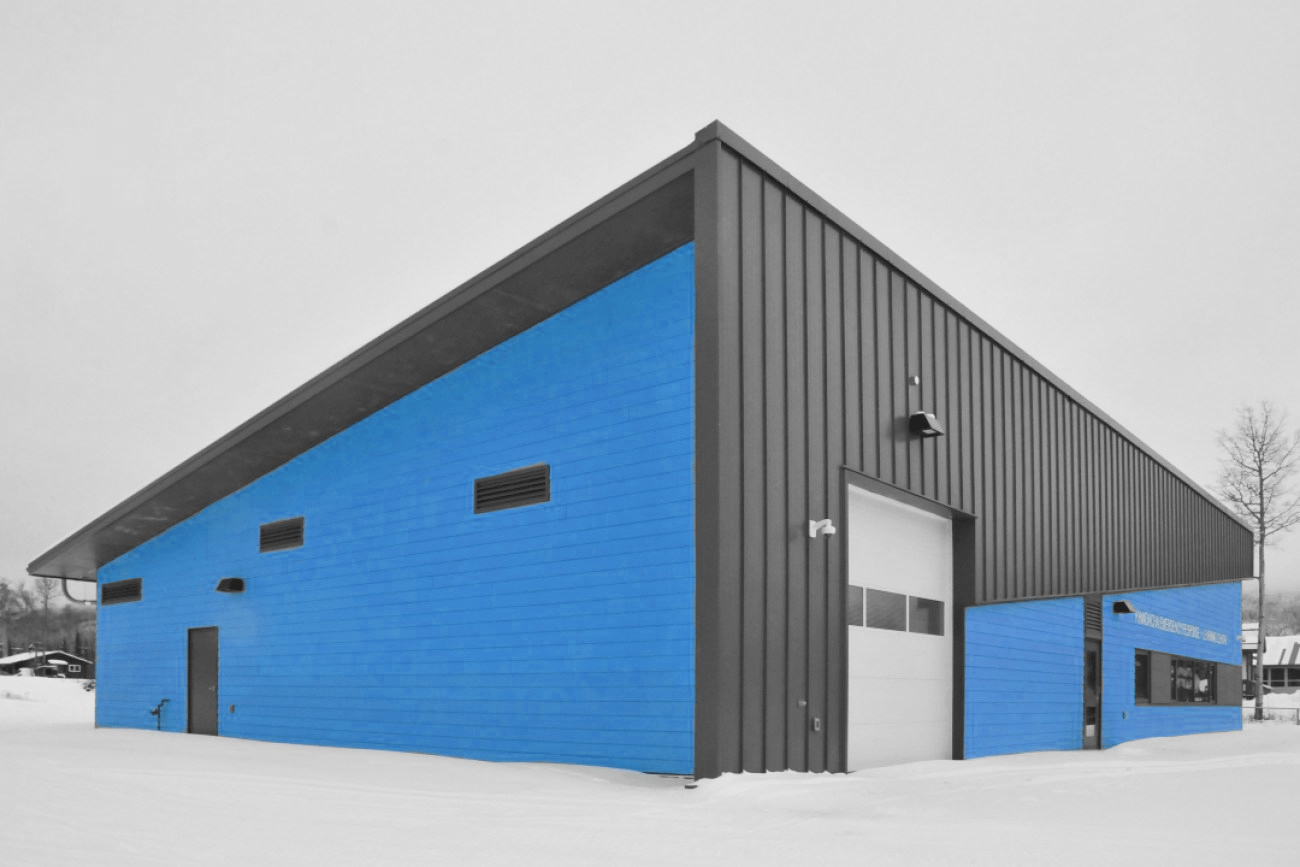
Municipalities can also benefit from integrated building management systems in public buildings, which optimize energy use across lighting, heating, and ventilation. These systems are particularly useful in multipurpose facilities like fire halls, EMS stations, or government buildings.
We integrate smart technology into every project when appropriate, from water plants to remote-access infrastructure. By combining technology with traditional reliability, we help communities create infrastructure that works better, longer, and smarter.
Building Resilience in Remote and Northern Municipalities
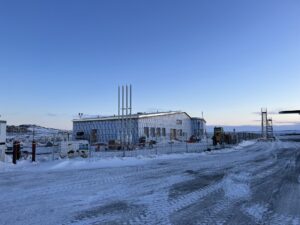
Canada’s vast and rugged geography demands innovative approaches to infrastructure especially in remote and northern regions where traditional construction methods often aren’t feasible. In these areas, infrastructure must be more than just functional. It must be resilient, adaptable, and logistically efficient to overcome challenges like limited access, extreme weather, and minimal local resources.
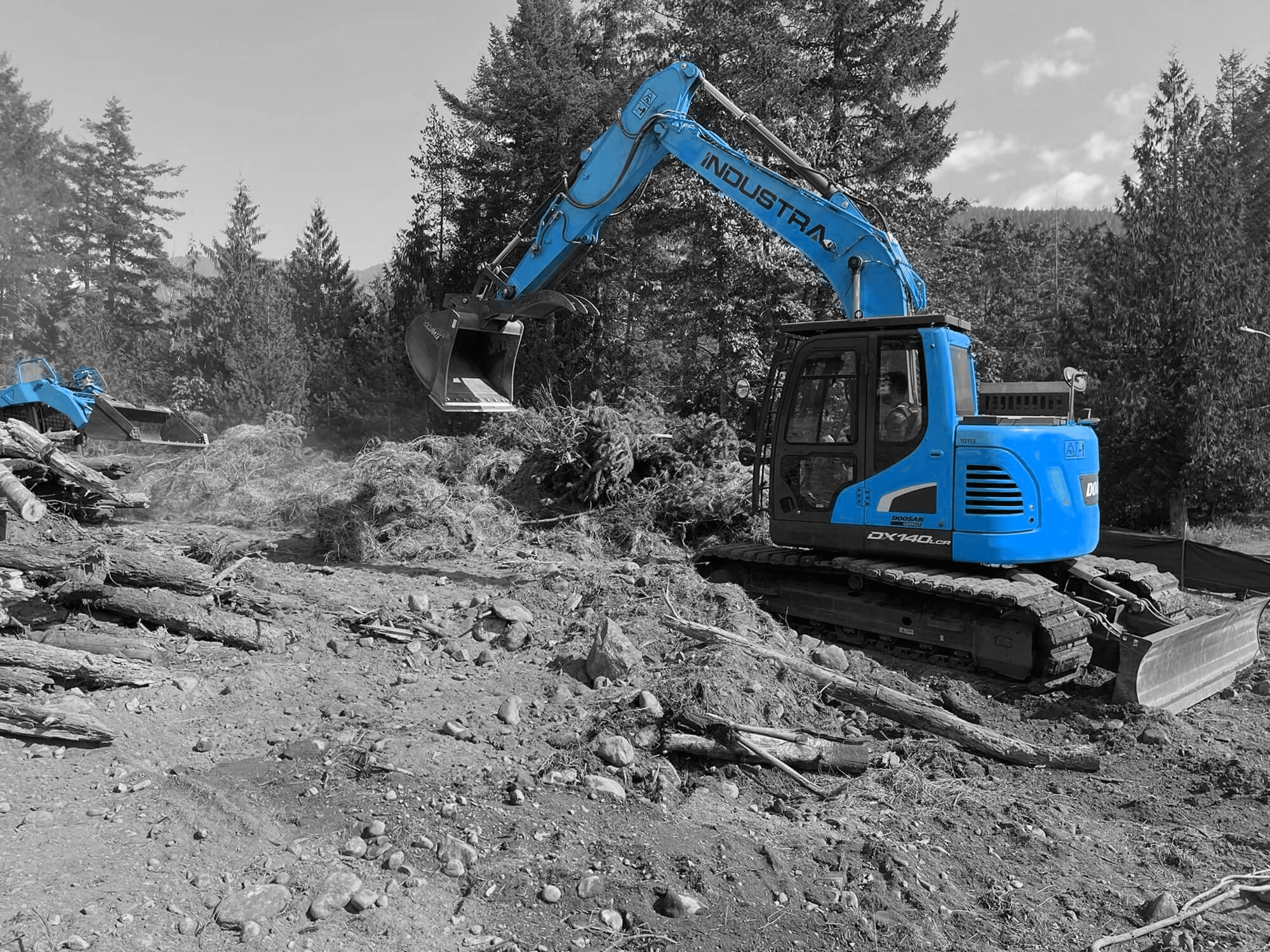
That’s why we focus on delivering smart, sustainable solutions tailored to these environments. From barge-based deliveries and ice road access to fly-in construction logistics, our team is equipped to operate in even the most isolated communities. These conditions require an intentional approach, favoring compact, efficient designs that reduce material use, simplify transport, and accelerate installation. Sustainability is essential to the project’s viability.
Our remote infrastructure practices prioritize prefabrication, which minimizes on-site labor and reduces construction waste. We integrate passive energy systems, such as solar orientation and high R-value insulation, to lower heating demands in cold climates. Water reuse systems help mitigate supply challenges, allowing communities to maximize limited resources. Additionally, we employ construction techniques that emphasize minimal ground disturbance, preserving sensitive ecosystems and protecting underlying permafrost.
Each of these practices not only supports environmental stewardship but also ensures the long-term success and maintainability of critical infrastructure in Canada’s northern communities.
Partnering with Indigenous Communities for Long-Term Impact
Sustainable infrastructure is also about equity, inclusion, and long-term community benefits. That’s why Industra works closely with Indigenous governments to deliver infrastructure that’s not only high-quality, but also culturally informed and community-driven.
Our Approach:
- Collaborative planning and design
- Capacity building and local workforce development
- Tailored operations training
- Low-maintenance, long-lifespan systems
Projects like the Anacla Wastewater Treatment System and Tobacco Plains Water Treatment Facility illustrate this commitment. These builds provide services and they enable communities to manage their own infrastructure for decades to come.
Sustainable infrastructure respects the land, supports local jobs, and creates generational resilience. That’s true sustainability and it starts with meaningful partnership.
Overcoming Barriers to Municipal Sustainability
Of course, municipalities still face real barriers when trying to implement sustainable infrastructure. Some common hurdles include:
- Limited capital budgets
- Short political cycles that discourage long-term planning
- Procurement policies that prioritize lowest upfront cost
- Lack of internal technical expertise
Solutions That Work:
- Lifecycle Costing: Evaluate not just upfront costs but long-term O&M savings.
- Bundled Projects: Combine similar infrastructure needs to achieve economies of scale.
- Alternative Procurement Models: Use design-build or public-private partnerships to shift risk and improve accountability.
- Knowledge Transfer: Leverage the experience of EPC partners like Industra to support internal learning.
Working with the right contractor can help overcome many of these obstacles. Our team supports municipalities through every stage, from early design and permitting through to commissioning and staff training. Our goal is to make sustainability simple, achievable, and measurable.
Creating A Smarter Path Forward for Canadian Communities
The infrastructure choices made today will shape communities for decades. As municipalities take on the responsibility of building smarter, more resilient infrastructure, sustainability must be front and center.
That doesn’t mean compromising on budgets or performance. It means selecting partners who understand how to integrate sustainability without adding complexity. At Industra, we bring that expertise, through our design-build delivery, self-perform trades, and a history of success across dozens of municipal projects.
Are you ready to build better? Let’s create infrastructure that respects the environment, serves the community, and stands the test of time.
Contact us today to discuss how we can support your next municipal infrastructure project from concept to completion.