Construction beside live utilities requires a different level of planning, control, and communication. Whether the work involves excavation near buried infrastructure, upgrades inside an operating industrial facility, or tie-ins at a municipal lift station, the safety plan must protect workers, the public, existing services, and the owner’s operations.
At Industra, safety is priority one. Through our Zero Harm 365 safety culture, we approach live utility work with the understanding that every task must be planned, verified, communicated, and controlled before crews begin.
Why Live Utilities Change The Risk Profile
Live utilities introduce hazards that may not be visible from the surface. Electrical duct banks, watermains, sanitary and storm sewers, gas lines, fibre optic cables, process piping, controls infrastructure, and fuel systems can all create serious consequences if damaged.
The risk is not limited to the construction crew. A utility strike can affect:
- Public safety
- Water or wastewater service
- Industrial operations
- Emergency response access
- Environmental protection
- Schedule and cost certainty
- Community confidence
This is why utility-adjacent work must be treated as a planned construction activity, not a field condition to solve after excavation begins.
Safety Planning Starts During Preconstruction
Effective safety planning begins before mobilization. On complex projects, early review of record drawings, utility locates, owner knowledge, survey data, and field investigations helps identify where the project may interact with existing services.
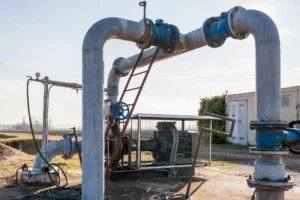
This is especially important on civil construction and process mechanical scopes, where underground services, piping, valves, pumps, and controls may be tied directly to active systems.
Older infrastructure requires added caution. Drawings may not reflect field conditions, undocumented services may exist, and previous repairs or upgrades may have changed alignments. A responsible safety plan accounts for these unknowns and builds in verification steps before work proceeds.
Utility Verification Becomes A Formal Hold Point
When construction happens beside live utilities, verification should become a formal hold point in the work plan. A hold point gives the project team a defined opportunity to stop, confirm conditions, and authorize the next step.
Verification may include:
- Confirming utility locates
- Daylighting or potholing buried services
- Checking depth, material, and alignment
- Reviewing isolation requirements
- Confirming bypass or temporary service plans
- Coordinating with the utility owner
- Documenting field conditions before excavation continues
This approach supports safer execution and reduces the likelihood of field surprises. It also helps owners make informed decisions when existing conditions differ from available records.
Excavation Controls Must Be Matched To Consequence
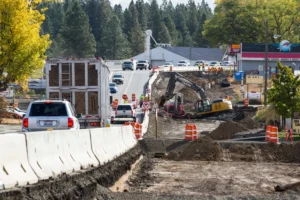
Not all excavations carry the same level of risk. Digging near a redundant service line is different from working beside a primary watermain, electrical feed, gas service, or force main serving an active facility.
The safety plan should define excavation controls based on consequence. These may include tolerance zones, equipment limits, hand digging, hydrovac excavation, spotters, engineered shoring, traffic control, and daily hazard assessments.
On infrastructure projects, this planning is central to protecting existing assets. For example, lift station work requires careful coordination around active municipal systems, confined work areas, pumping equipment, electrical components, and public service continuity.
Shutdowns And Tie-Ins Need Detailed Sequencing
Some work beside live utilities can only be completed through planned shutdowns, isolations, or tie-ins. These windows require disciplined sequencing because the available time is often limited and the consequences of delay can be significant.
A strong shutdown plan confirms:
- Scope of work
- Isolation points
- Lockout requirements
- Required permits
- Labour and equipment
- Materials and contingency parts
- Testing requirements
- Restart procedures
- Owner acceptance steps
For EPC and design-build work, early integration between engineering, procurement, construction, and commissioning helps reduce risk. When constructability and operations are considered early, tie-ins can be sequenced more safely and efficiently.
Communication Must Be Clear And Direct
Live utility work depends on communication. The project team must know who has authority to approve work, stop work, isolate a system, communicate with operations, and respond if conditions change.
A practical communication plan should identify:
- The utility owner contact
- Site supervision responsibilities
- Operator involvement
- Inspection requirements
- Emergency contacts
- Public notification needs
- Change management procedures
This is particularly important on industrial construction projects, where work may occur near operating equipment, process lines, fuel systems, or energized infrastructure.
Public And Environmental Protection Are Part Of The Same Plan
Utility-adjacent construction often occurs in places where people live, work, travel, or rely on essential services. Safety planning must account for the public as well as the crew.
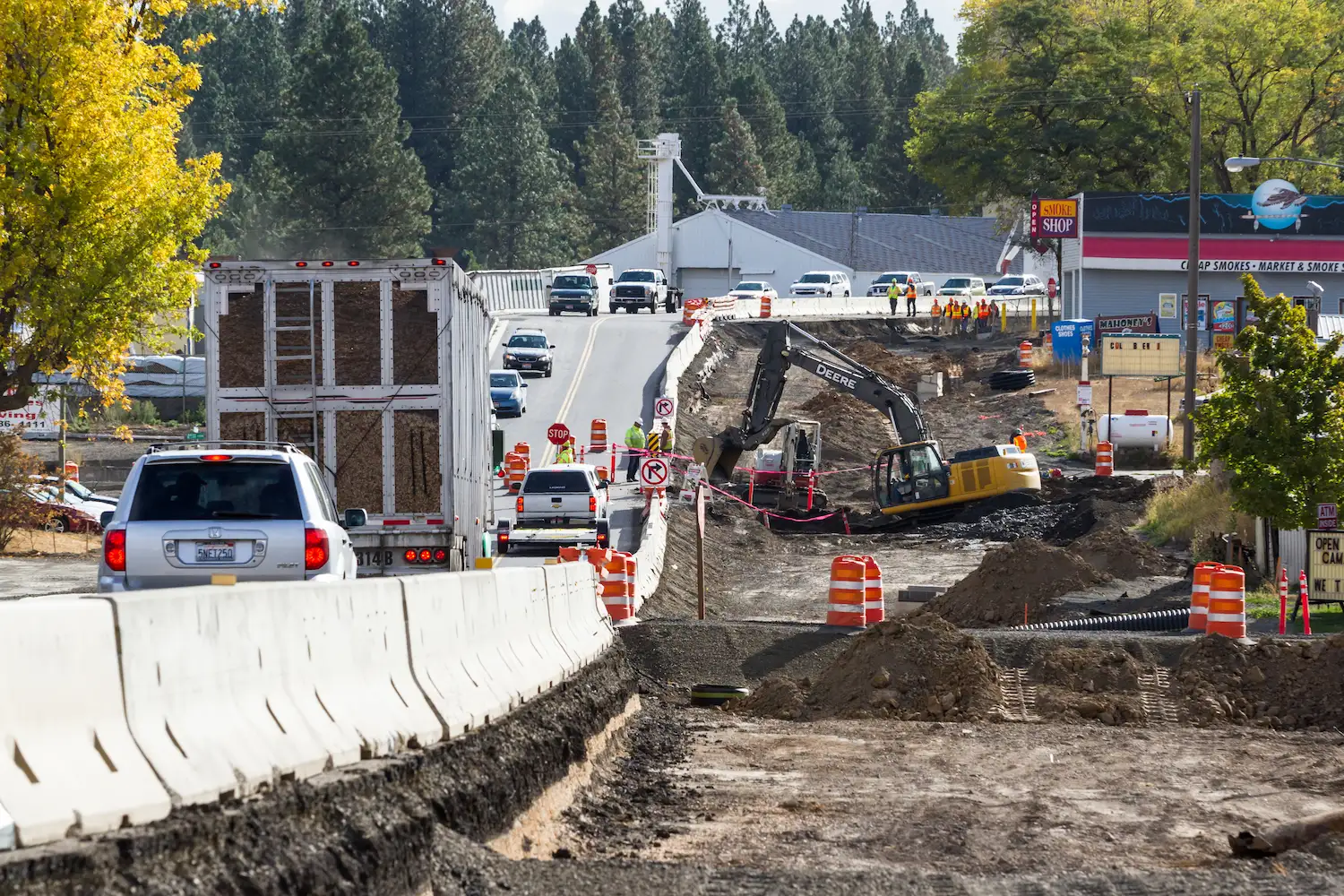
Public protection may include fencing, signage, traffic control, pedestrian routing, noise and dust controls, and emergency access planning. On municipal and infrastructure projects, public communication may also be required when service interruptions, detours, or temporary access changes are expected.
Environmental planning is equally important. A damaged sanitary line, process pipe, fuel system, or watermain can affect soil, water, and nearby habitat. Controls may include spill response equipment, containment, dewatering plans, erosion and sediment control, and clear reporting procedures.
Our commitment to quality assurance supports this approach by connecting field execution with documentation, inspection, testing, and closeout requirements.
Remote And Complex Sites Require Additional Planning
In remote or northern environments, live utility work can carry added risk. Replacement parts may be difficult to source, weather can restrict access, and temporary service interruptions can have a greater impact on communities or facilities.
Our experience in complex and remote environments helps shape safety planning around practical realities such as logistics, contingency materials, seasonal access, workforce coordination, and community communication.
On infrastructure projects in remote or First Nations communities, respectful coordination with local leadership and operators is also essential. The goal is not only to complete the work safely, but to protect essential services and maintain trust throughout construction.
Quality Control Supports Long-Term Safety
Safety does not end when the excavation is backfilled or the utility is placed back in service. Poor installation, incomplete testing, missed labeling, or weak documentation can create future hazards for operators and maintenance crews.
Quality control should confirm:
- Correct materials and fittings
- Proper installation methods
- Pressure testing or commissioning results
- Valve and system labeling
- As-built documentation
- Deficiency resolution
- Owner training where required
This is part of our broader commitment to quality at every step. Safe construction around live utilities requires the same discipline during planning, execution, commissioning, and handover.
Building Safely Beside Critical Infrastructure
Construction beside live utilities demands experience, planning, and respect for the systems already in place. The safest projects are built on clear information, verified conditions, controlled excavation, careful shutdown planning, strong communication, and quality documentation.
As a multi-discipline, self-perform general contractor, we bring practical field experience, in-house technical capability, and a safety-first culture to complex utility-adjacent construction. For support with civil, industrial, process mechanical, or EPC/design-build projects, contact Industra to discuss your project requirements.