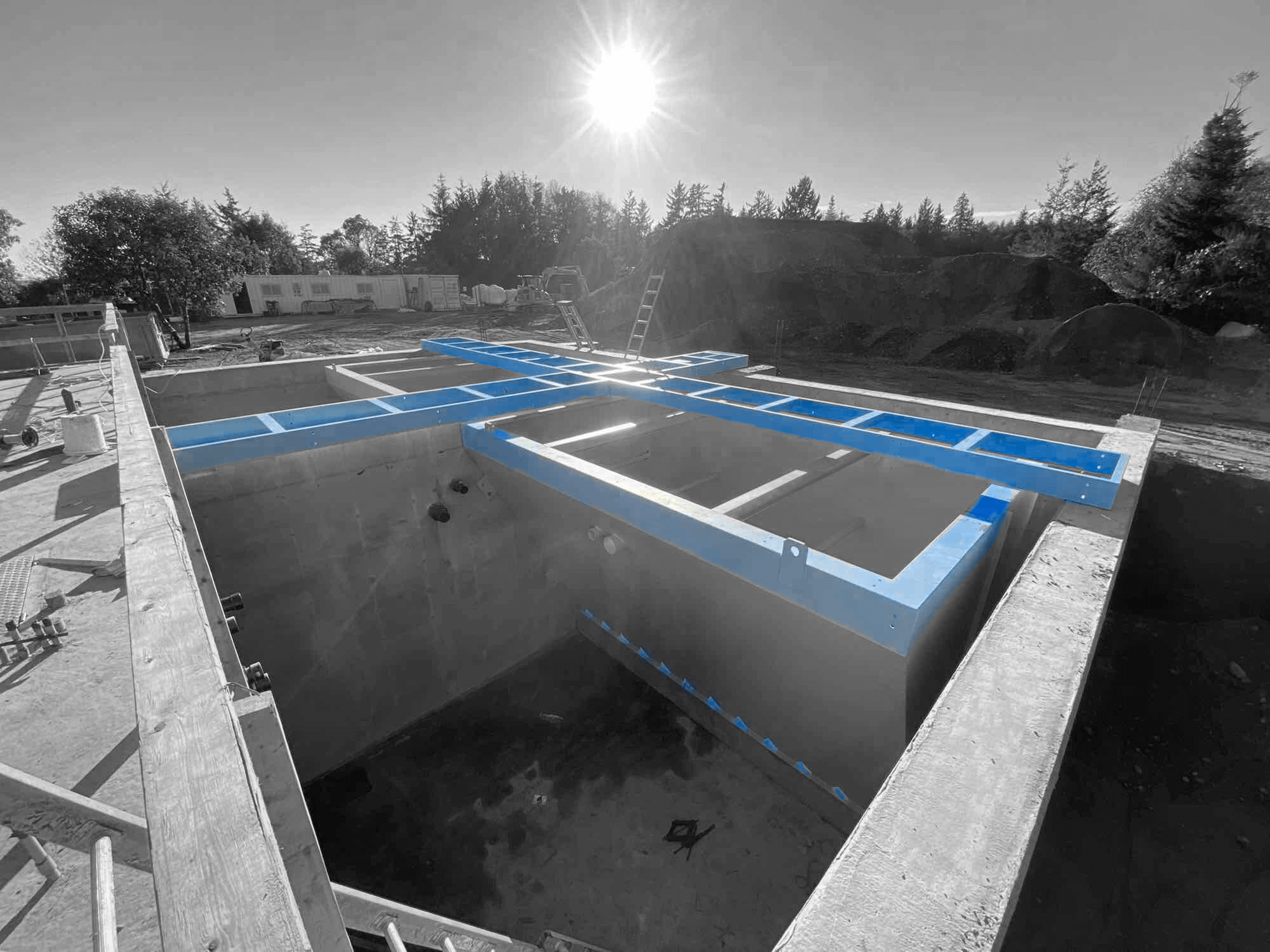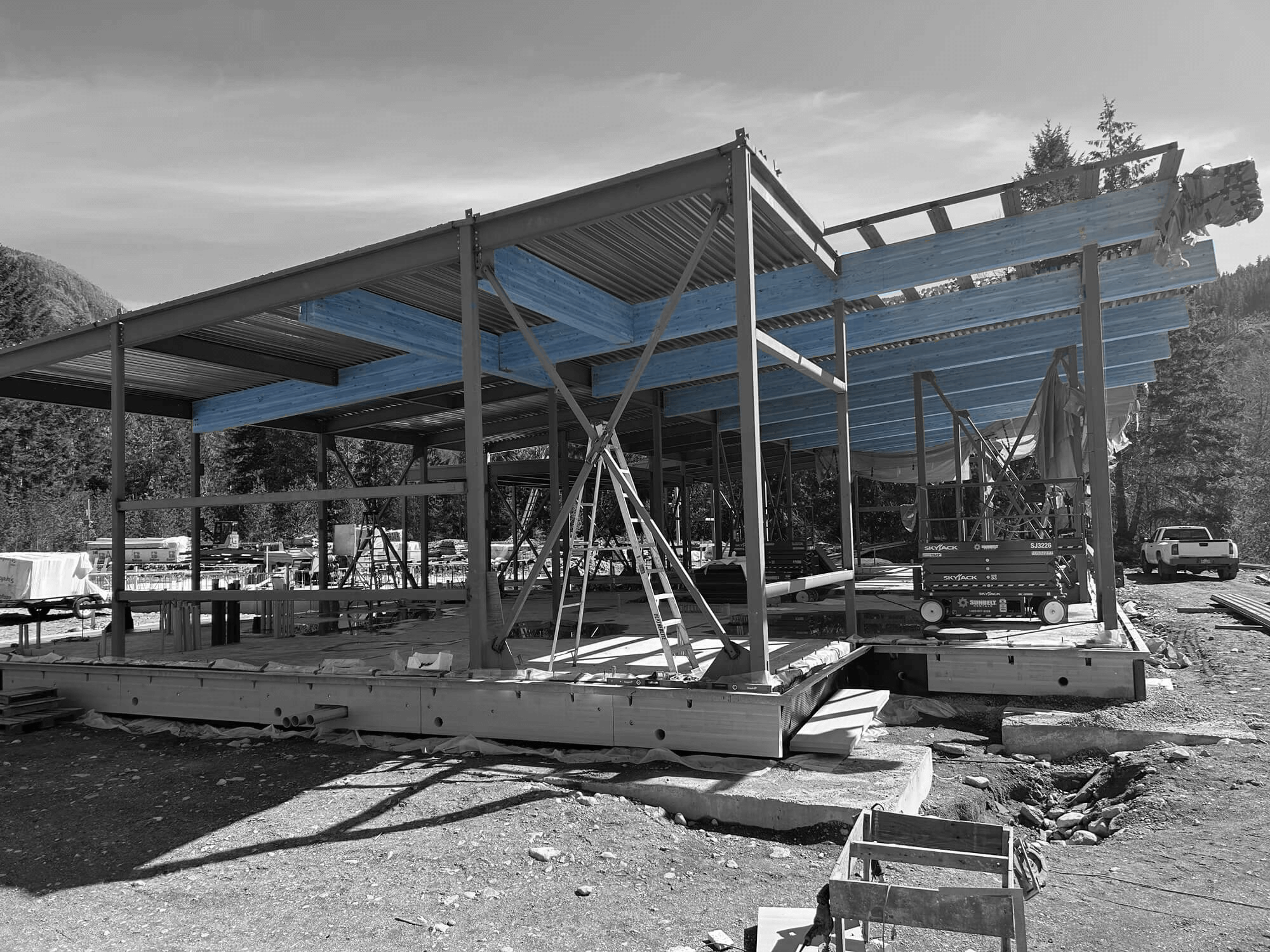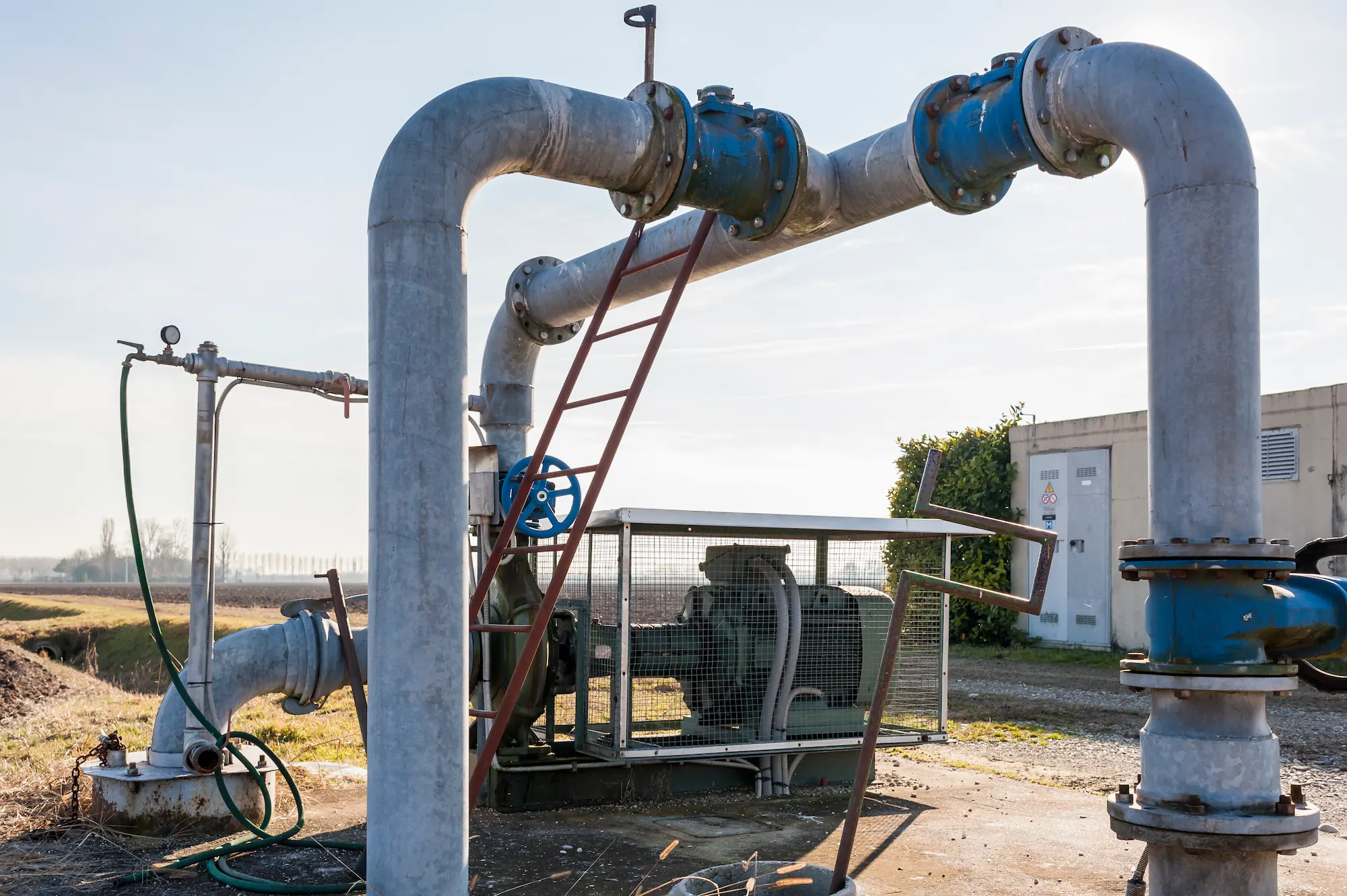
Lift stations are essential to reliable wastewater collection. When they operate properly, they protect public health, support growth, and move wastewater safely through the system. When they fail, the impacts can be immediate: service disruption, emergency bypassing, environmental risk, odour complaints, and higher operating costs.
At Industra, we approach lift station upgrades as integrated infrastructure projects, not simple equipment replacements. A successful upgrade requires sound planning, practical engineering, safe construction methods, disciplined quality control, and commissioning that confirms the system is ready for long-term operation.
As a multi-discipline, self-perform general contractor with experience in EPC and design-build delivery, process mechanical construction, and civil construction, we understand how the details come together in the field.
Start With A Clear Understanding Of Existing Conditions
A lift station upgrade should begin with a complete review of the existing asset. Record drawings, maintenance logs, and operator feedback are important, but they should be supported by field verification.
A proper assessment should consider:
- Pump age, capacity, efficiency, and reliability
- Wet well condition, coatings, benching, and corrosion
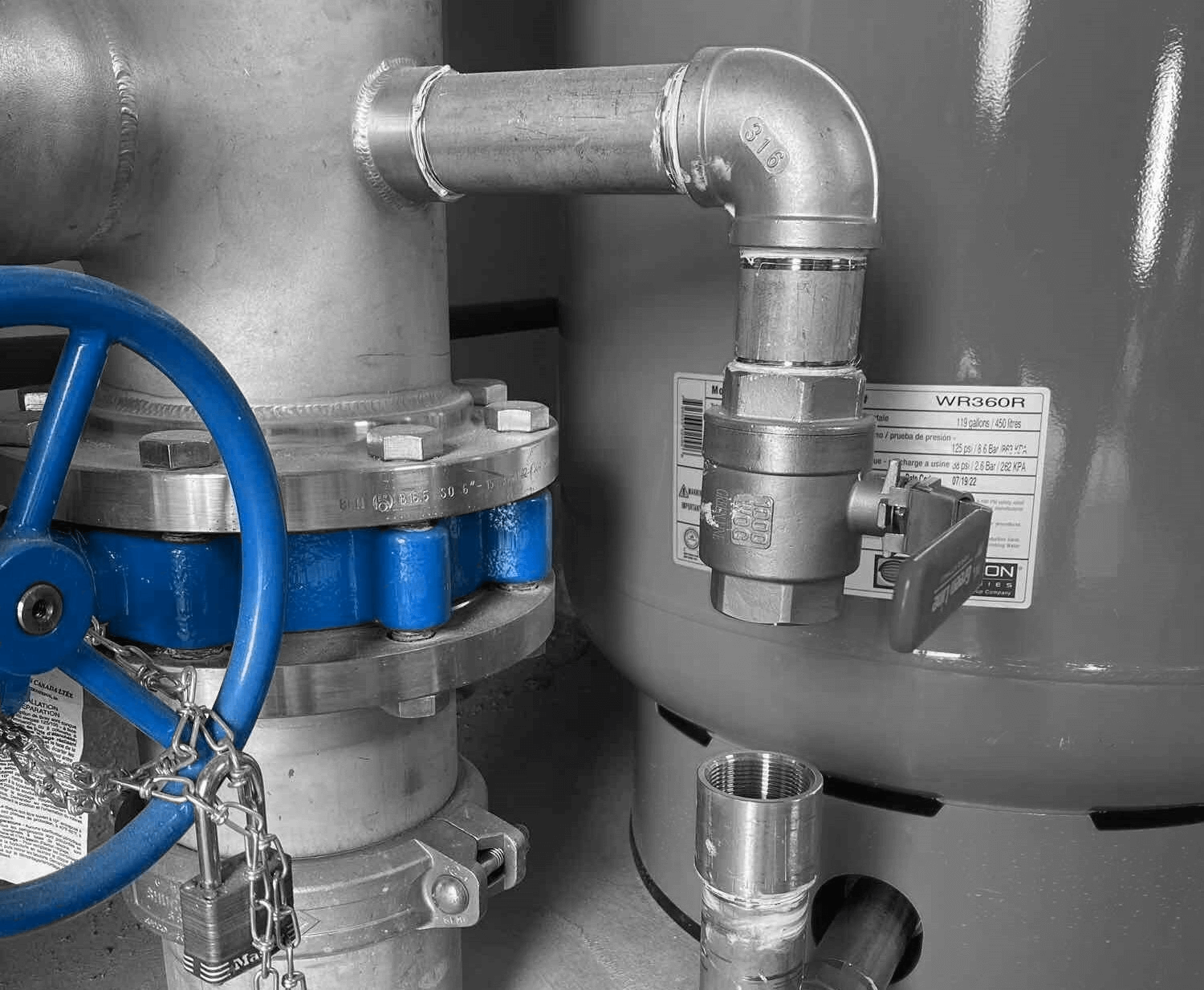
- Forcemain condition and valve access
- Electrical service and backup power
- Controls, alarms, and SCADA requirements
- Site access, drainage, security, and odour control
- Confined space and maintenance access
- Temporary bypass pumping requirements
This early work helps reduce unknowns before construction begins. It also helps owners decide whether a traditional tender, construction management model, or integrated EPC / design-build approach is the best fit.
Design Around Capacity, Reliability, And Future Growth
A successful lift station upgrade should solve today’s issue while preparing for tomorrow’s demand. Municipalities, First Nations, and industrial owners need systems that can respond to population growth, climate impacts, inflow and infiltration, changing operating requirements, and stricter environmental expectations.
That means pump selection, wet well sizing, forcemain hydraulics, electrical capacity, standby power, and control logic must be reviewed as part of one system. A pump may meet the flow requirement on paper, but still create maintenance, access, or control issues if the full station layout is not considered.
Our broader experience in infrastructure construction helps us look beyond individual components and focus on long-term system performance.
Plan For Continuous Wastewater Service
Most lift station upgrades must be completed while wastewater continues to flow. This makes sequencing, bypass pumping, shutdown planning, and communication critical to success.
A strong construction plan should include:
- Bypass pumping design and testing
- Emergency response procedures
- Shutdown windows coordinated with operators
- Spill prevention and environmental controls
- Excavation and shoring requirements
- Electrical isolation and lockout planning
- Public access, traffic control, and site security
- Weather and seasonal constraints
Temporary bypass systems must be sized properly, monitored consistently, and protected from weather, damage, and unauthorized access. For critical stations, redundancy and contingency planning are essential.
Build Safety Into Every Stage
Safety is priority one. Lift station upgrades involve confined spaces, wastewater exposure, energized systems, lifting activities, excavation, temporary pumping, and work around live infrastructure. These risks must be identified and controlled before crews mobilize.
Our Zero Harm 365 culture supports safe execution through planning, communication, hazard assessment, and field-level accountability. For lift station work, safety planning should include:
- Confined space entry procedures
- Atmospheric testing and ventilation
- Lockout and isolation planning
- Fall protection where required
- Excavation and shoring controls
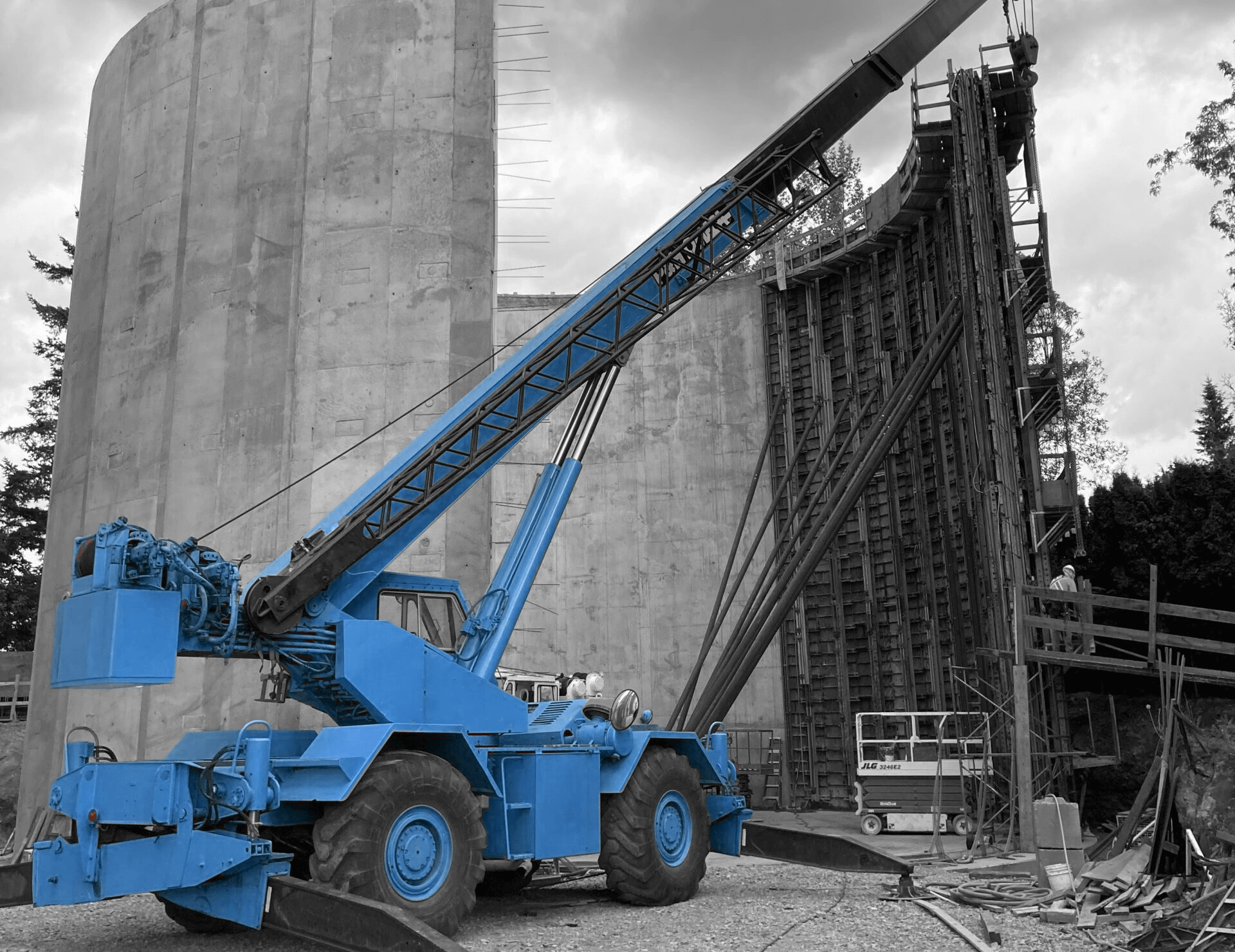
- Crane and lifting plans
- Wastewater exposure controls
- Emergency response procedures
Our commitment to construction safety is not separate from production. It is part of how the work is planned, supervised, and completed.
Coordinate Civil, Mechanical, Electrical, And Controls Early
Lift station upgrades depend on the successful integration of multiple disciplines. Civil work must support equipment layout. Mechanical systems must align with access and maintenance needs. Electrical and controls systems must support reliable operation, alarms, standby power, and operator visibility.
Early coordination helps reduce rework and avoid field conflicts. It also supports better procurement decisions, especially where long-lead pumps, valves, panels, generators, or instrumentation are involved.
Key coordination items include:
- Pump orientation and removal access
- Valve chamber layout
- Pipe penetrations and supports
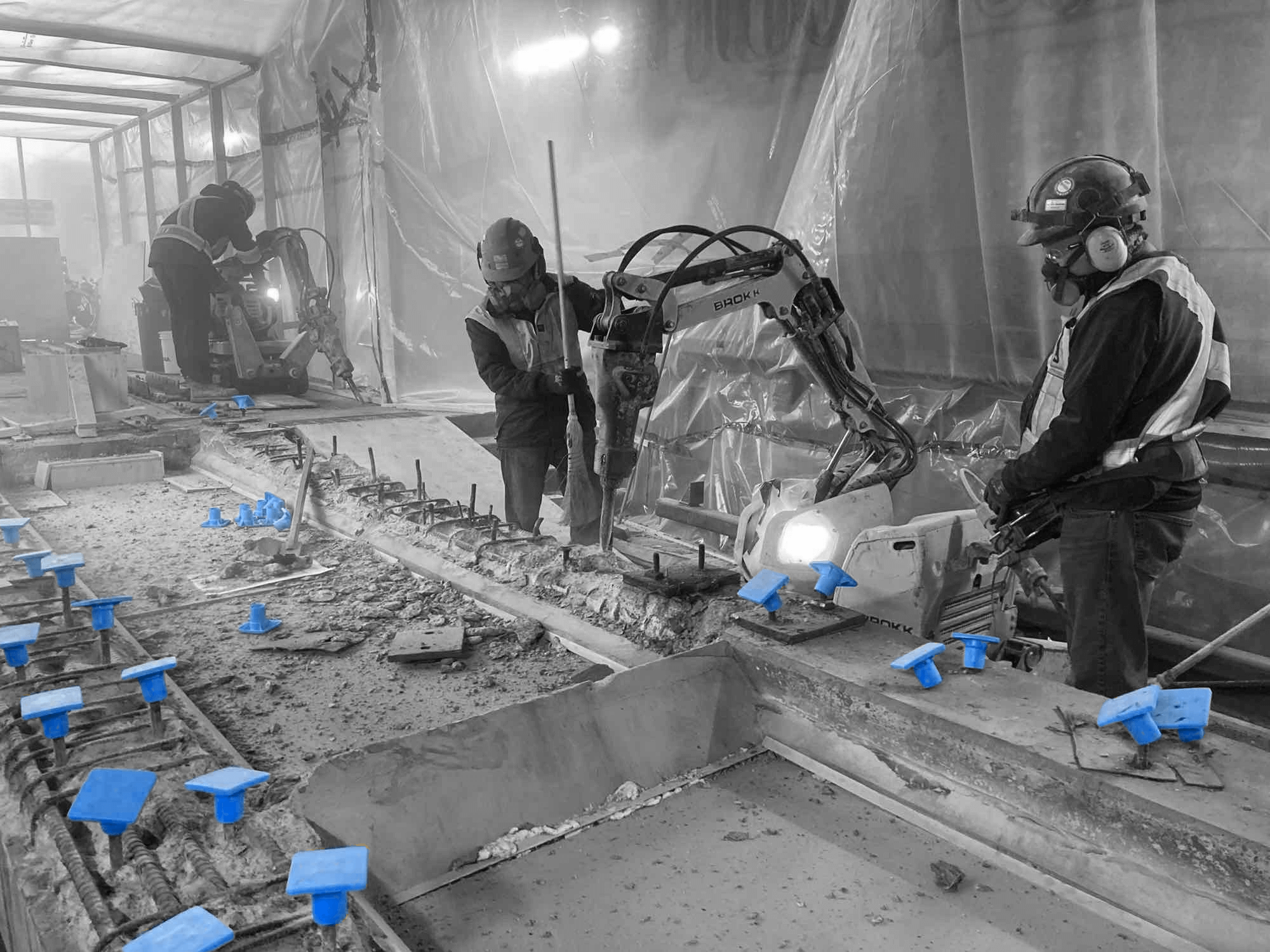
- Wet well rehabilitation sequencing
- Electrical service upgrades
- SCADA integration
- Standby power requirements
- Operator access and maintenance clearances
This is where self-perform capability adds value. By bringing process mechanical, civil, and construction teams into the planning process early, we can help identify constructability issues before they affect schedule, cost, or performance.
Prioritize Quality Control And Commissioning
A lift station is not complete when equipment is installed. It is complete when the system has been tested, commissioned, documented, and turned over to operators with confidence.
Quality control should be planned from the beginning. Inspection and test plans, material verification, coating inspections, pressure testing, electrical testing, equipment alignment, and controls verification all help protect the owner’s investment.
Commissioning should confirm:
- Pump performance and rotation
- Level control accuracy
- Alarm and telemetry functions
- Valve operation
- Standby power operation
- Bypass removal and system restoration
- Operator training
- As-built and turnover documentation
Our focus on quality assurance supports a practical objective: get the work right and leave owners with reliable infrastructure.
Consider Remote And Challenging Project Conditions
Lift station upgrades in remote or difficult-access locations require additional planning. Limited supply chains, weather windows, road restrictions, barge schedules, winter access, and local resource availability can all affect project delivery.
In these environments, early procurement, prefabrication, modularization, spare parts planning, and clear communication with the community and operators become even more important. We bring experience delivering infrastructure in complex and remote settings, including projects that require careful logistics and respect for local priorities.
Build For The People Who Operate The Station
Operators understand the station better than anyone. Their input can help identify practical issues that may not appear in drawings.
A successful upgrade should improve:
- Safe access to pumps, valves, hatches, and panels
- Lighting, ventilation, and housekeeping
- Equipment maintainability
- Spare parts availability
- Labelling and documentation
- Alarm clarity
- Future expansion flexibility
When operators are involved early, the finished station is more likely to perform well in daily service.
What Success Looks Like
A successful lift station upgrade improves reliability, protects the environment, supports growth, and makes maintenance safer and more practical. It reduces emergency response demands and gives owners greater confidence in their wastewater system.
For us, success comes from planning, safety, quality, and field execution working together. Our team brings in-house engineering support, multi-discipline self-perform capability, and practical experience delivering essential infrastructure for municipal, First Nations, industrial, and institutional clients.
To discuss an upcoming lift station, wastewater, or pump station project, contact us for EPC, design-build, and construction support.