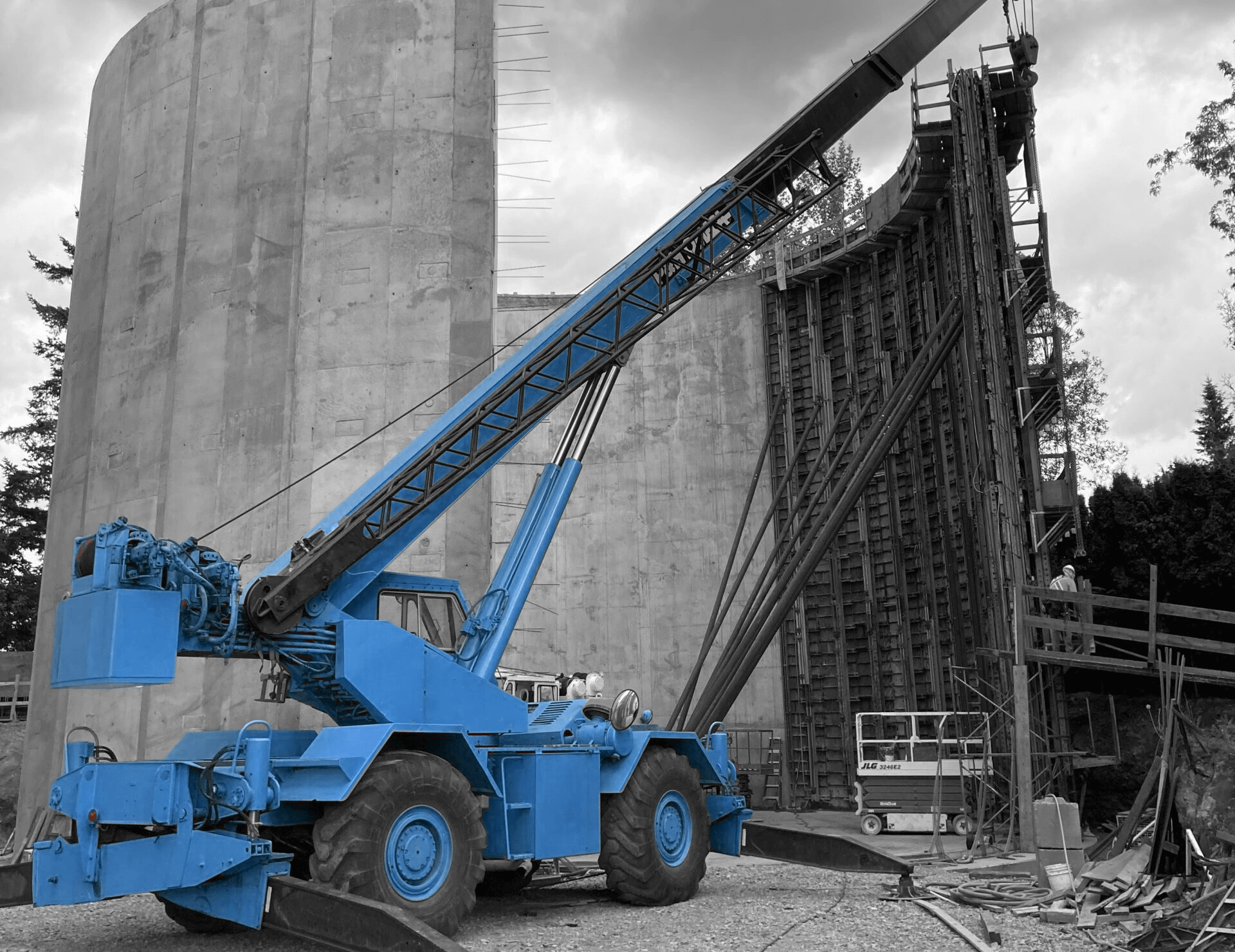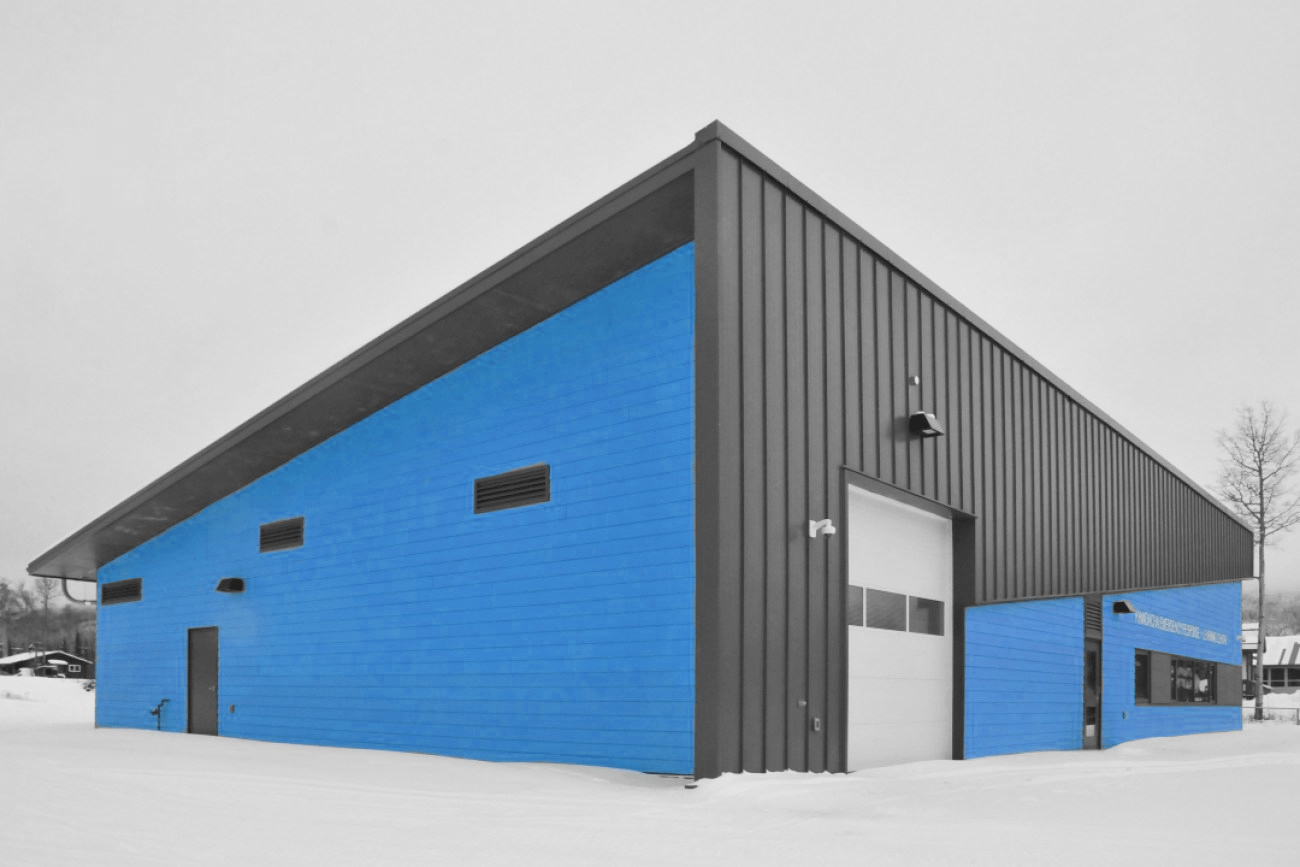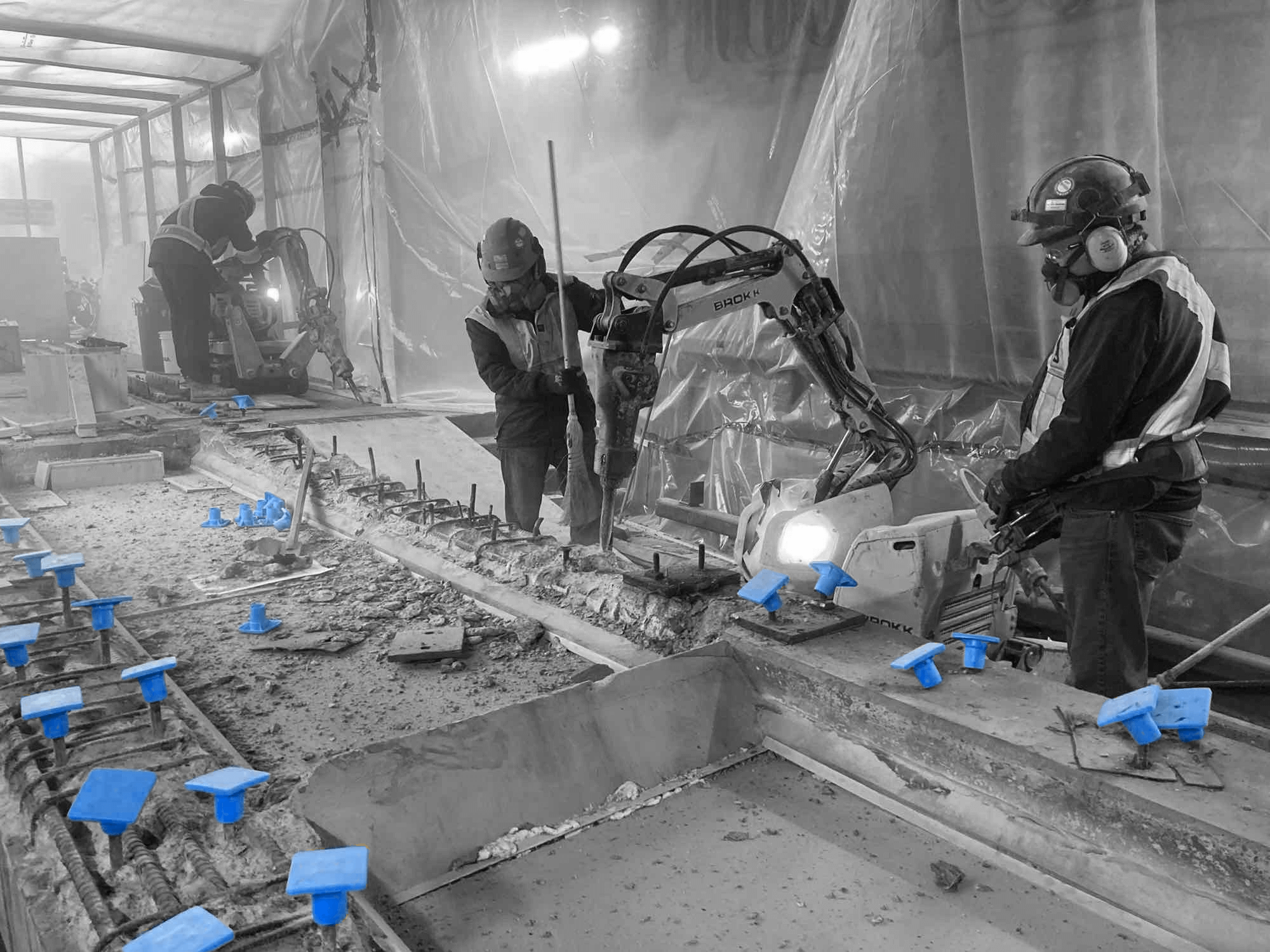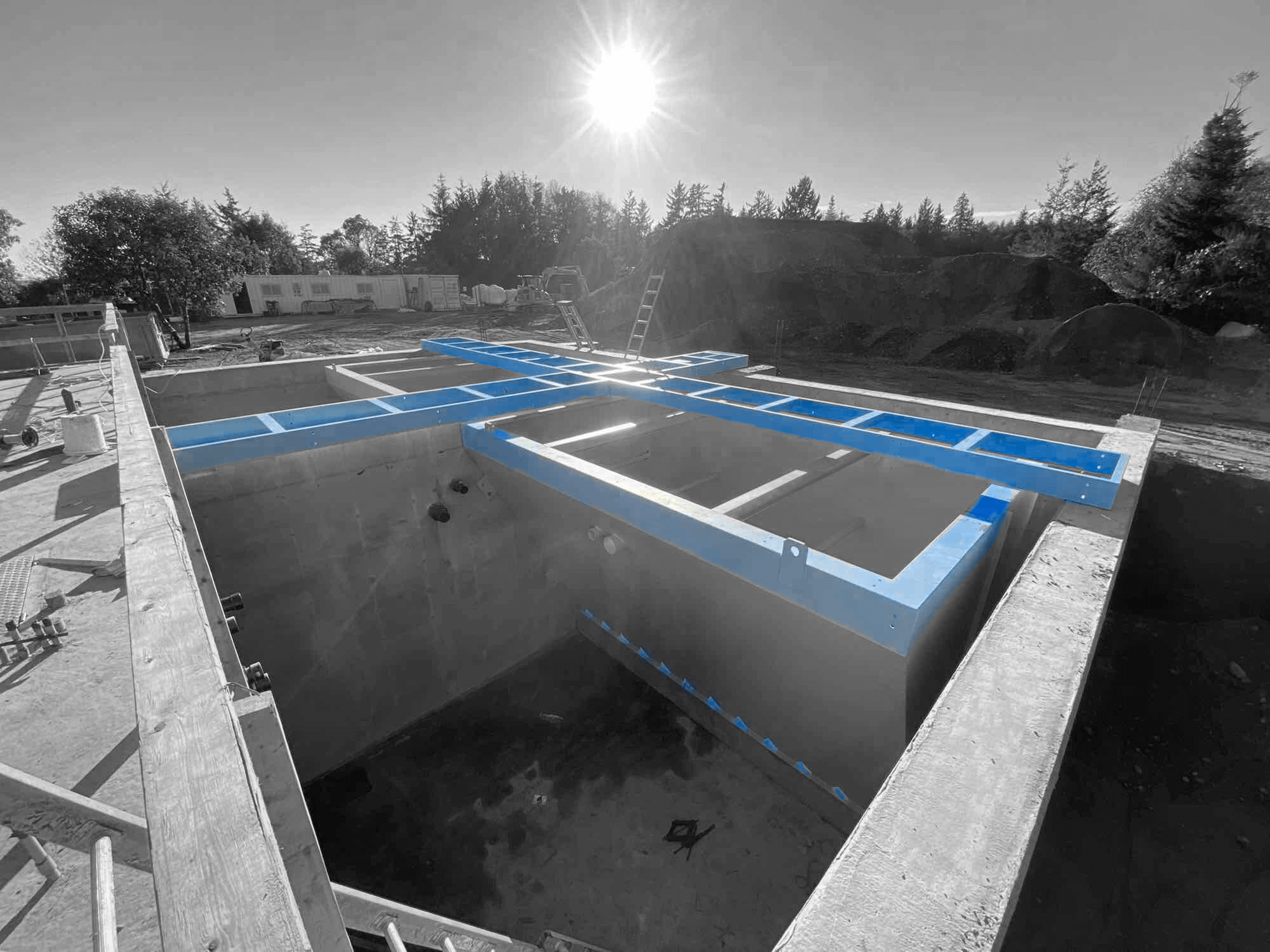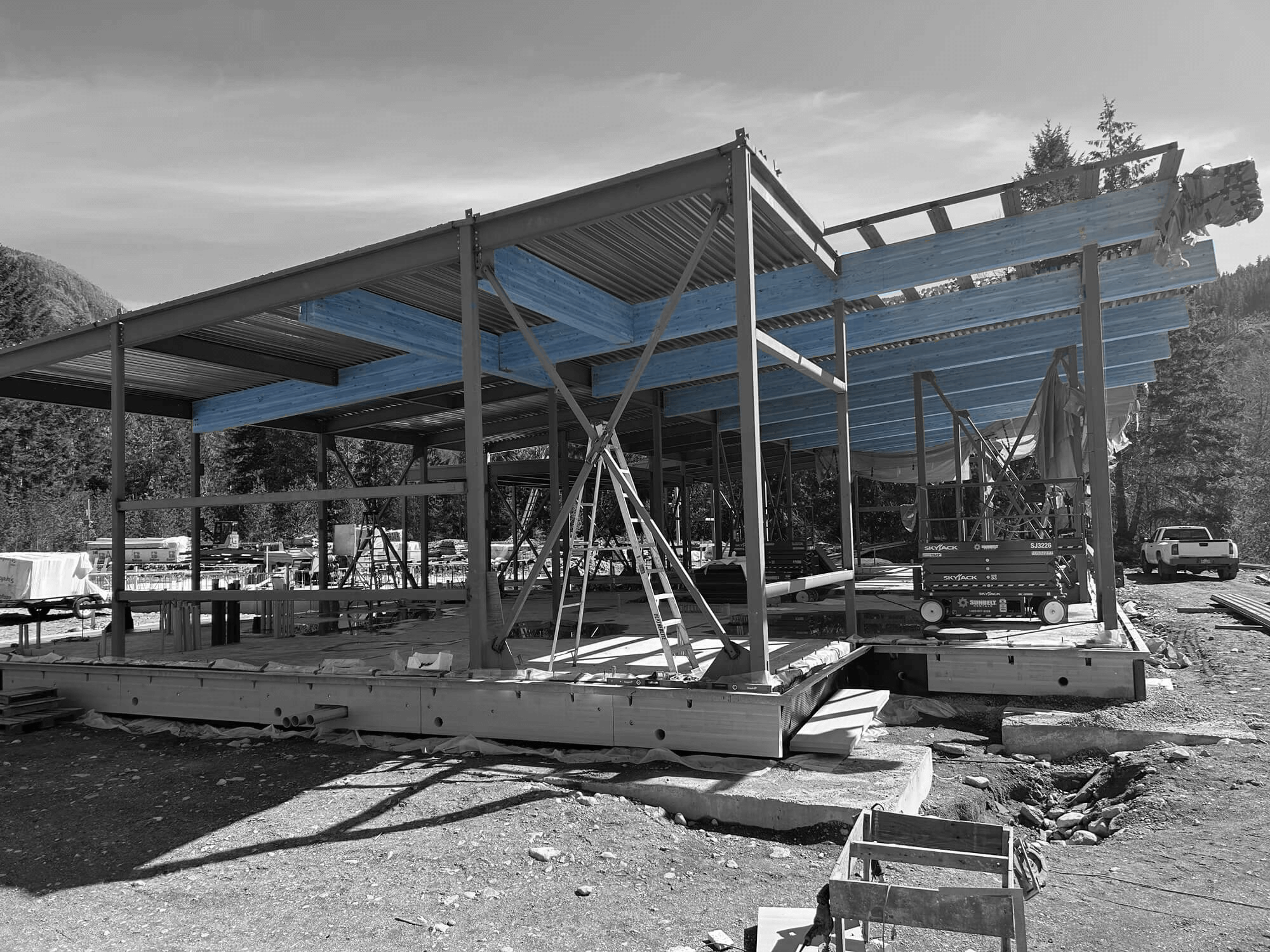
Field changes are sometimes unavoidable, but many of the most expensive ones can be prevented before crews mobilize. On complex infrastructure projects, constructability reviews help confirm that the design can be built safely, efficiently, and in the conditions expected on site.
For Industra, this process is central to our EPC / Design-Build approach, our self-perform capability, and our commitment to Zero Harm 365. Our brand guidelines emphasize safety-first planning, in-house engineering, quality at every step, and practical field knowledge as core parts of how we deliver work.
What Is A Constructability Review?
A constructability review is a structured evaluation of drawings, specifications, site conditions, sequencing, procurement needs, safety constraints, and commissioning requirements before construction begins.
It answers practical questions such as:
- Can the work be built as designed?
- Are access, lifting, excavation, and staging requirements realistic?
- Are tie-ins, shutdowns, and bypass systems properly planned?
- Are long-lead materials identified early?
- Are safety and environmental controls integrated into the work plan?
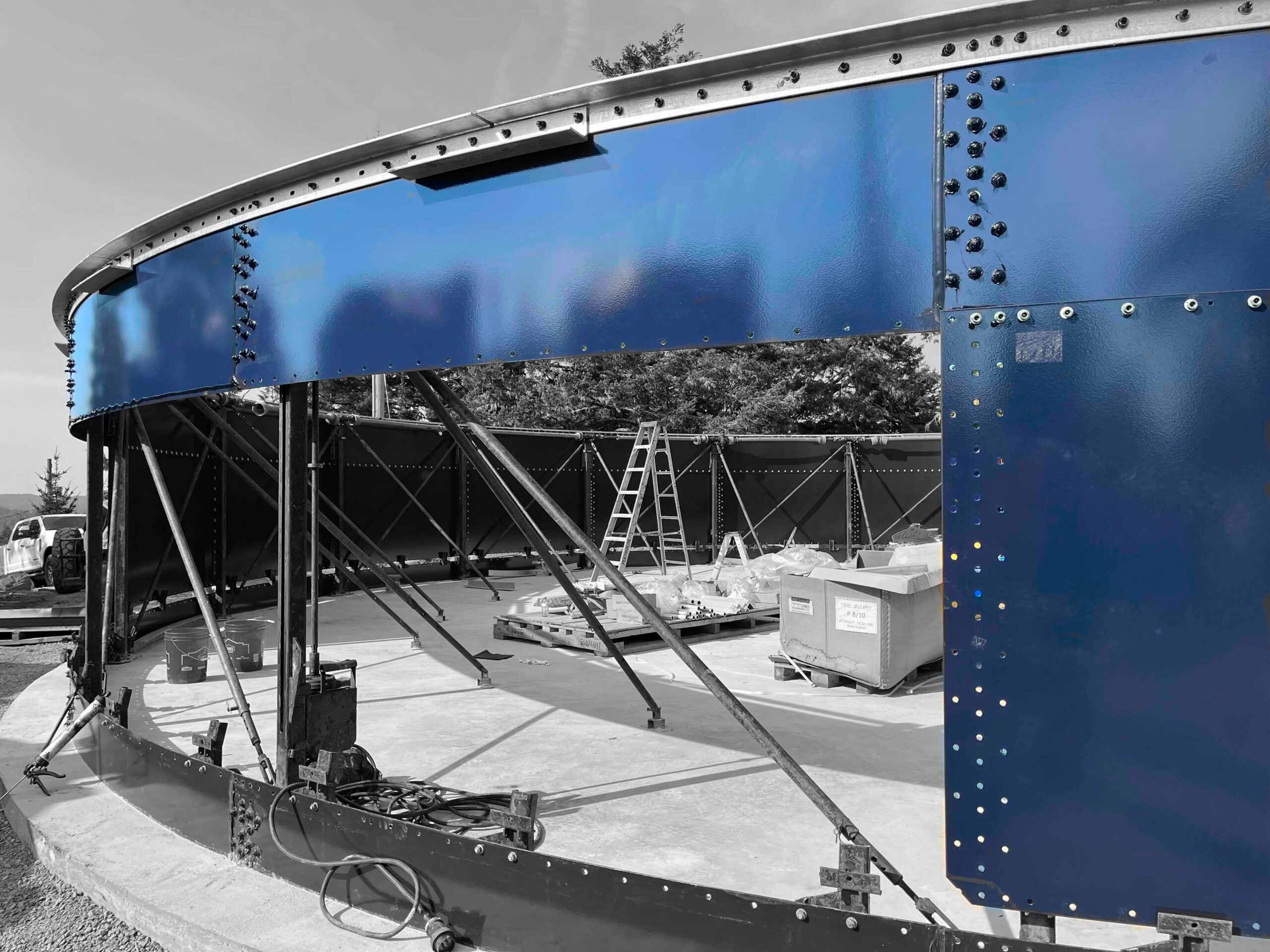
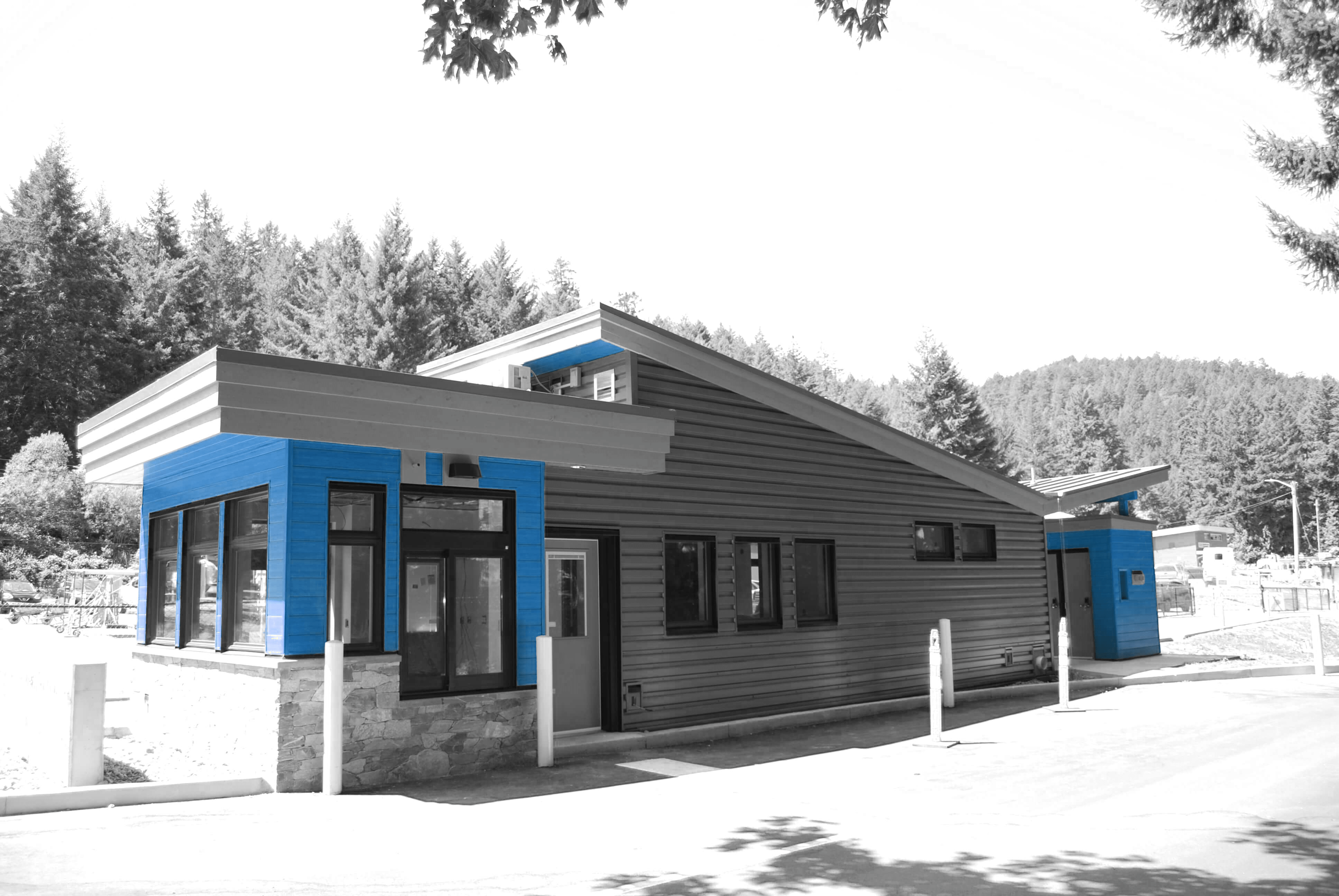
On water and wastewater treatment projects, these reviews are especially important because work often involves live systems, confined spaces, process equipment, buried utilities, and strict regulatory requirements. Industra has delivered numerous treatment plants, pump stations, reservoirs, and projects in remote communities, where early review directly supports safer and more reliable execution.
Why Field Changes Become Expensive
A field change rarely affects only one task. One missed detail can create impacts across labour, equipment, procurement, inspections, commissioning, and operations.
Common cost drivers include:
- Rework of concrete, piping, or structural components
- Schedule delays caused by redesign or material substitutions
- Additional shutdowns or bypass pumping
- Standby time for crews and equipment
- Safety risks created by rushed decisions
- Environmental protection changes after mobilization
In remote or northern work, the cost of a field change can be even higher. Material availability, barge access, winter roads, flight schedules, and seasonal weather windows all reduce flexibility. Our work in remote and northern construction reinforces the importance of early planning, logistics review, and realistic sequencing.
How Constructability Reviews Reduce Risk
They Align Design With Site Conditions
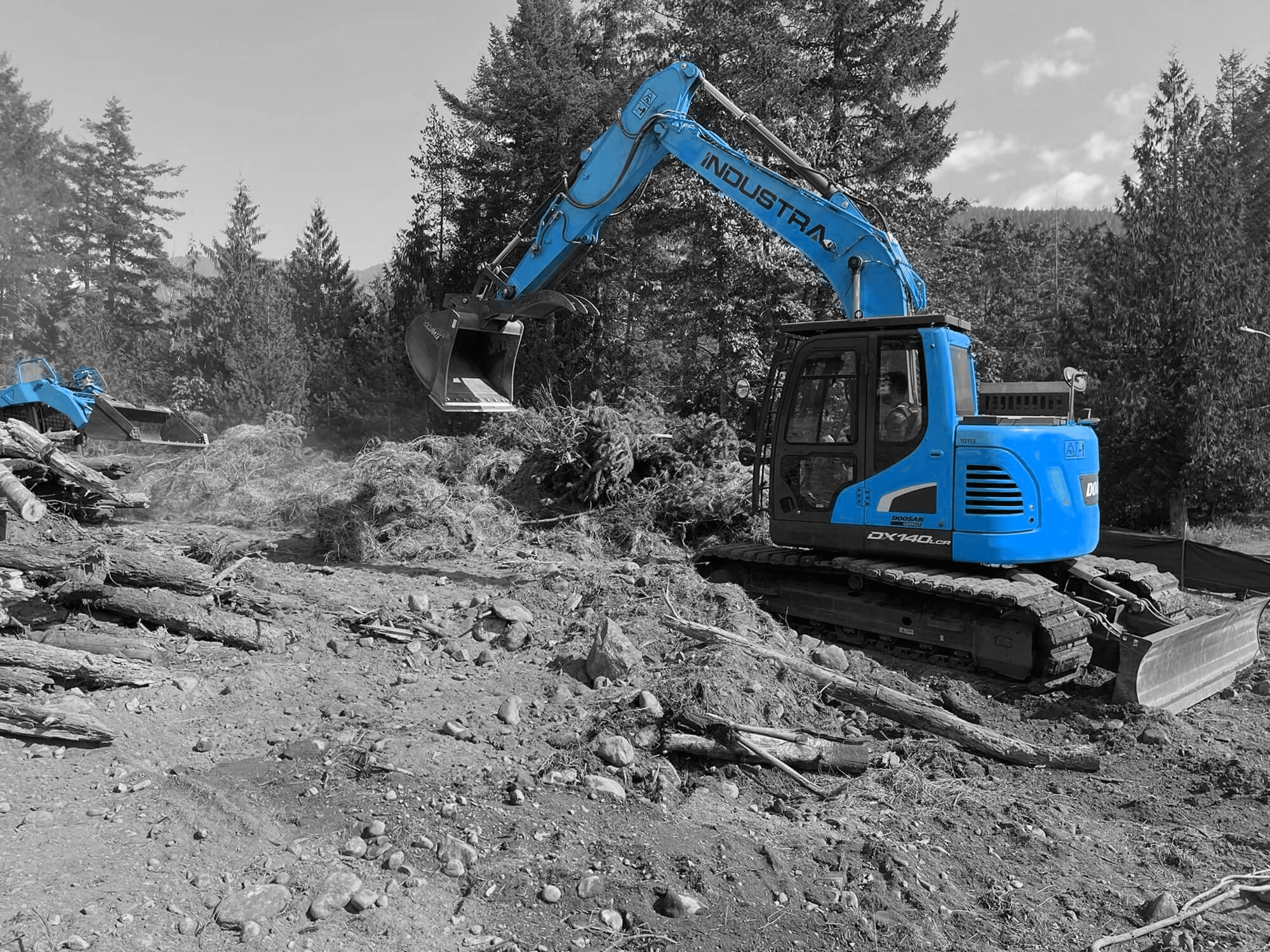
Drawings must be checked against real site constraints. This includes existing grades, buried utilities, access roads, equipment clearances, operating facilities, and environmental setbacks.
For example, a pump station replacement may look straightforward in design, but the field review may identify limited crane access, high groundwater, unknown utilities, or the need to maintain service during construction. These details are easier and less costly to resolve before procurement and mobilization.
They Improve Safety Planning
Safety is priority one. A proper constructability review considers how work will be performed, not just what will be built.
This includes:
- Excavation support
- Confined space access
- Lockout requirements
- Lifting plans
- Traffic control
- Temporary works
- Emergency access
- Environmental controls
Our approach connects constructability with Safety & Quality so hazards are identified early and built into the work plan.
They Protect Schedule Certainty
Constructability reviews help identify long-lead equipment, permit requirements, shutdown windows, and sequencing conflicts before they affect the critical path.
This is especially valuable for municipalities, First Nations communities, and industrial owners who need infrastructure to remain operational during construction. Our related blog on client-focused construction management explains how early coordination supports sequencing, inspections, and operational continuity.
They Improve Procurement Decisions
Early review helps confirm whether specified materials and equipment are available, compatible, and practical to install. This reduces the risk of substitutions after construction has started.
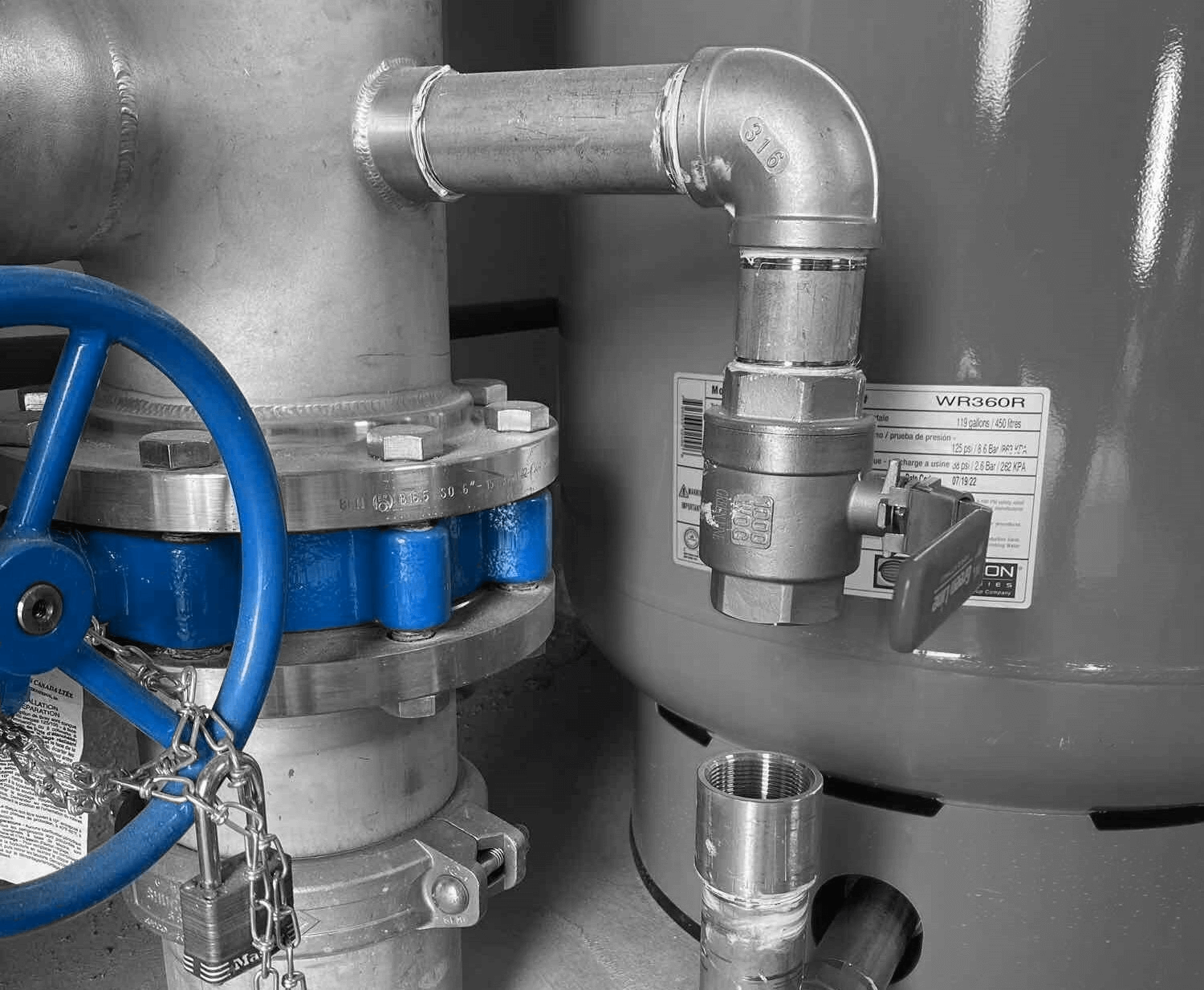
For process mechanical work, this can include valves, pumps, pipe supports, instrumentation, electrical interfaces, and commissioning requirements.
They Support Quality At Every Step
Quality issues often begin before construction. If tolerances, access, sequencing, or installation requirements are unclear, field crews may be forced to solve problems under pressure.
Constructability reviews reduce ambiguity by confirming:
- Installation methods
- Inspection points
- Testing requirements
- Shop drawing coordination
- Manufacturer requirements
- Commissioning steps
This supports a “get it right the first time” culture.
The Role Of In-House Engineering And Self-Perform Teams
Constructability reviews are strongest when engineering and construction teams work together early.
Our in-house engineering helps connect design intent with field execution. When engineers, project managers, superintendents, safety professionals, quality teams, and trades review the work together, issues are identified sooner and resolved with practical solutions.
Self-perform capability adds further value because field knowledge comes directly from the people who understand civil, mechanical, piping, concrete, structural, and installation requirements.
When Constructability Reviews Matter Most
Constructability reviews are valuable on most projects, but they are essential when work involves:
- Live facility upgrades
- Water treatment plant construction
- Wastewater treatment upgrades
- Municipal pump station construction
- Remote Arctic construction
- Environmentally sensitive areas
- Industrial shutdowns
- First Nations infrastructure projects
- Limited access sites
- Complex commissioning requirements
On environmentally sensitive projects, constructability must also consider erosion control, fish windows, spill prevention, access routes, and protection of watercourses. Our blog on environmental protection planning explains why these controls need to be addressed before construction begins.
What Owners Should Expect From A Good Review
A strong constructability review should produce clear, usable recommendations. It should not be a box-checking exercise.
Owners should expect:
- Practical comments from construction professionals
- Early identification of cost and schedule risks
- Review of temporary works and access
- Coordination between disciplines
- Safety and environmental input
- Review of commissioning and turnover requirements
- Clear decisions on next steps
For design-build projects, this process is even more effective because design and construction teams are already integrated. Our blog on why water and wastewater projects deserve a design-build approach explains how single-source accountability helps reduce risk and improve coordination.
Better Reviews Lead To Better Projects
Constructability reviews prevent costly field changes by bringing field knowledge into the project early. They help owners reduce rework, improve safety, protect schedules, manage procurement, and improve long-term quality.
For Industra, constructability is not separate from delivery. It is part of how we plan, engineer, procure, build, test, and turn over complex infrastructure. As a multi-discipline, self-perform general contractor and EPC partner, we focus on practical planning that supports safe execution and reliable outcomes.
To discuss an upcoming infrastructure, industrial, water, wastewater, or remote construction project, contact us for early planning, constructability support, or EPC/design-build project inquiries.