Remote and northern infrastructure projects require a different approach to planning, procurement, construction, and commissioning. Short building seasons, harsh weather, limited access, smaller labour pools, and long material supply chains can all affect how work is delivered.
For municipalities, First Nations communities, public agencies, and industrial operators, these conditions create risk. A missed shipment, delayed crew change, or weather event can affect the entire project schedule.
Prefabrication is one practical way to reduce that risk.
At Industra, we deliver complex infrastructure projects across Western and Central Canada, including remote Arctic construction, water and wastewater infrastructure, industrial construction, and EPC/design-build services. In remote settings, prefabrication can help improve safety, quality, schedule control, and overall constructability.
What Prefabrication Means In Infrastructure Construction
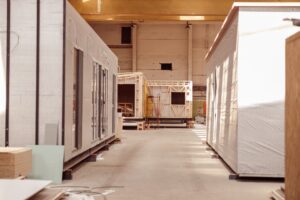
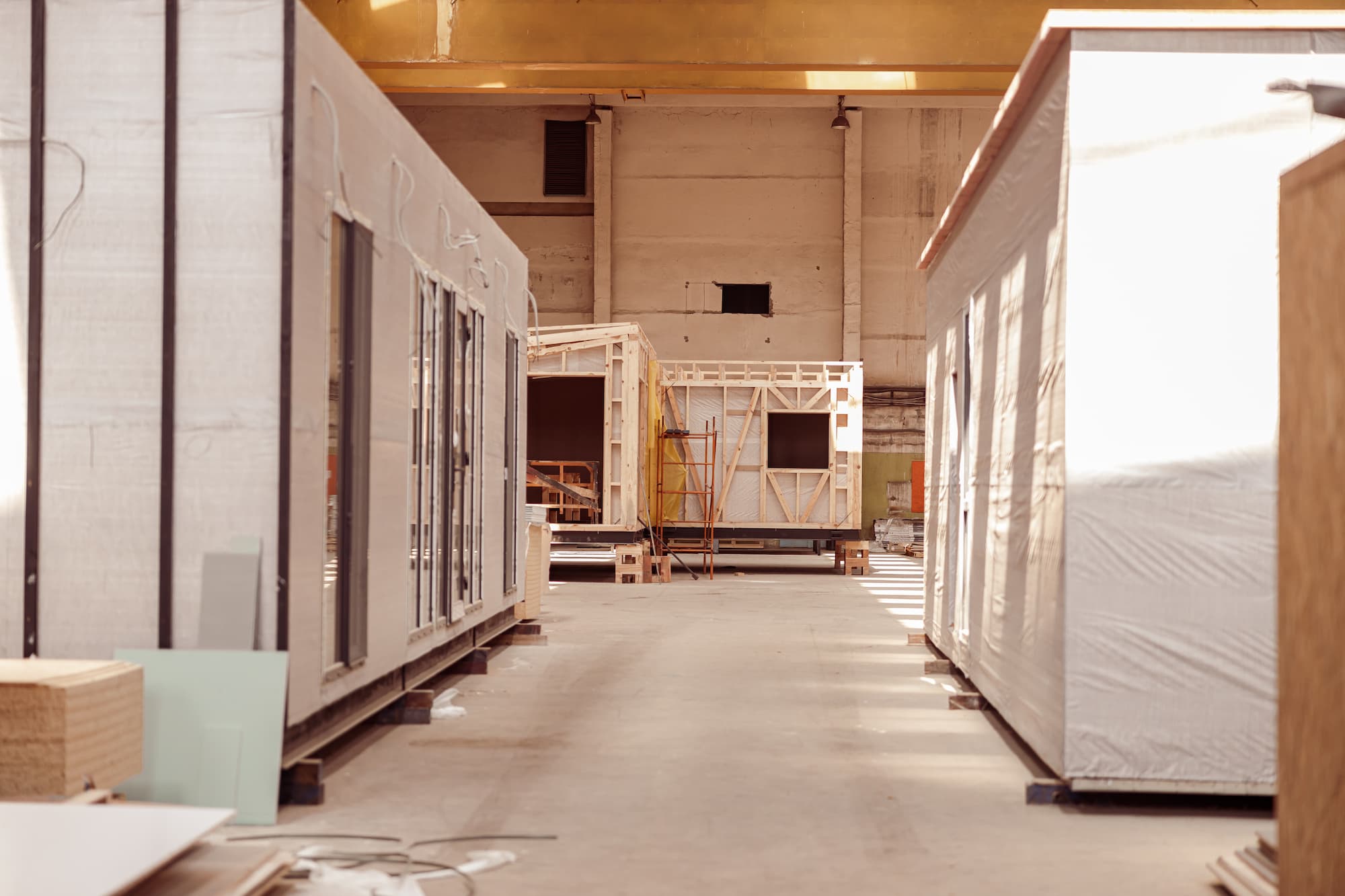
Prefabrication means building selected project components off site in a controlled environment, then transporting them to site for installation.
Depending on the project, prefabricated elements may include:
- Pipe spools
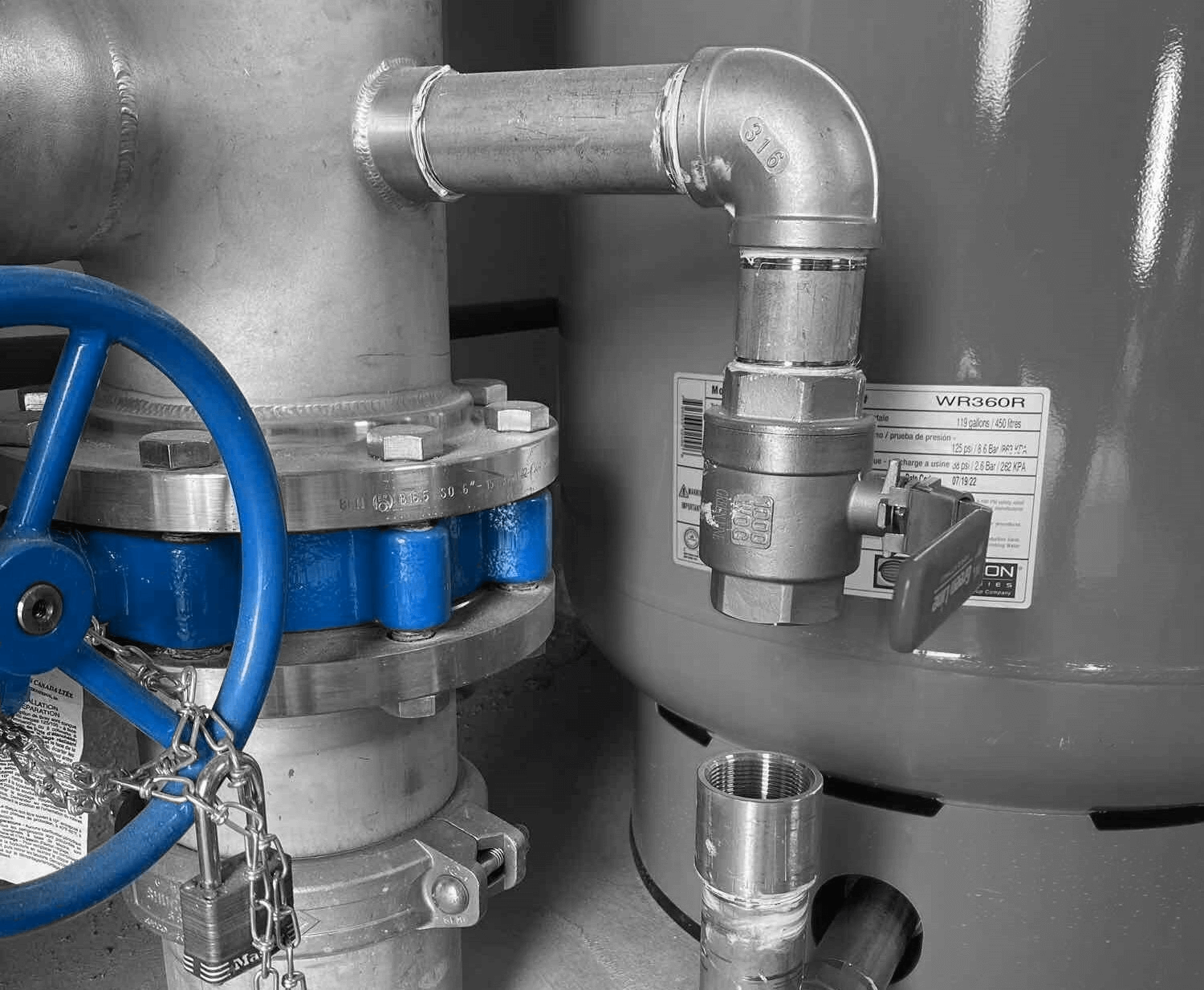
- Process mechanical assemblies
- Pump skids
- Equipment platforms
- Electrical and control panels
- Structural steel components
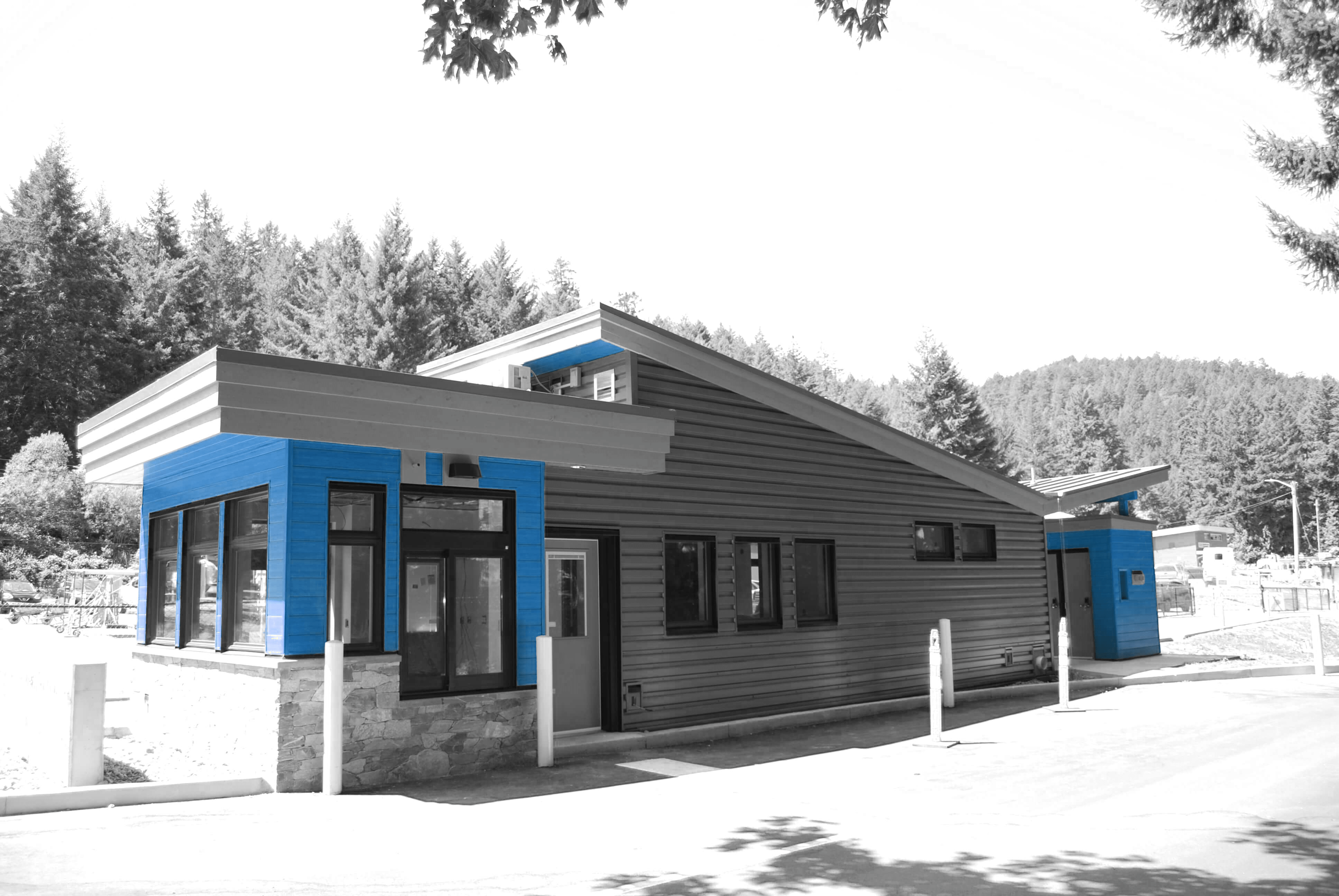
- Modular utility buildings
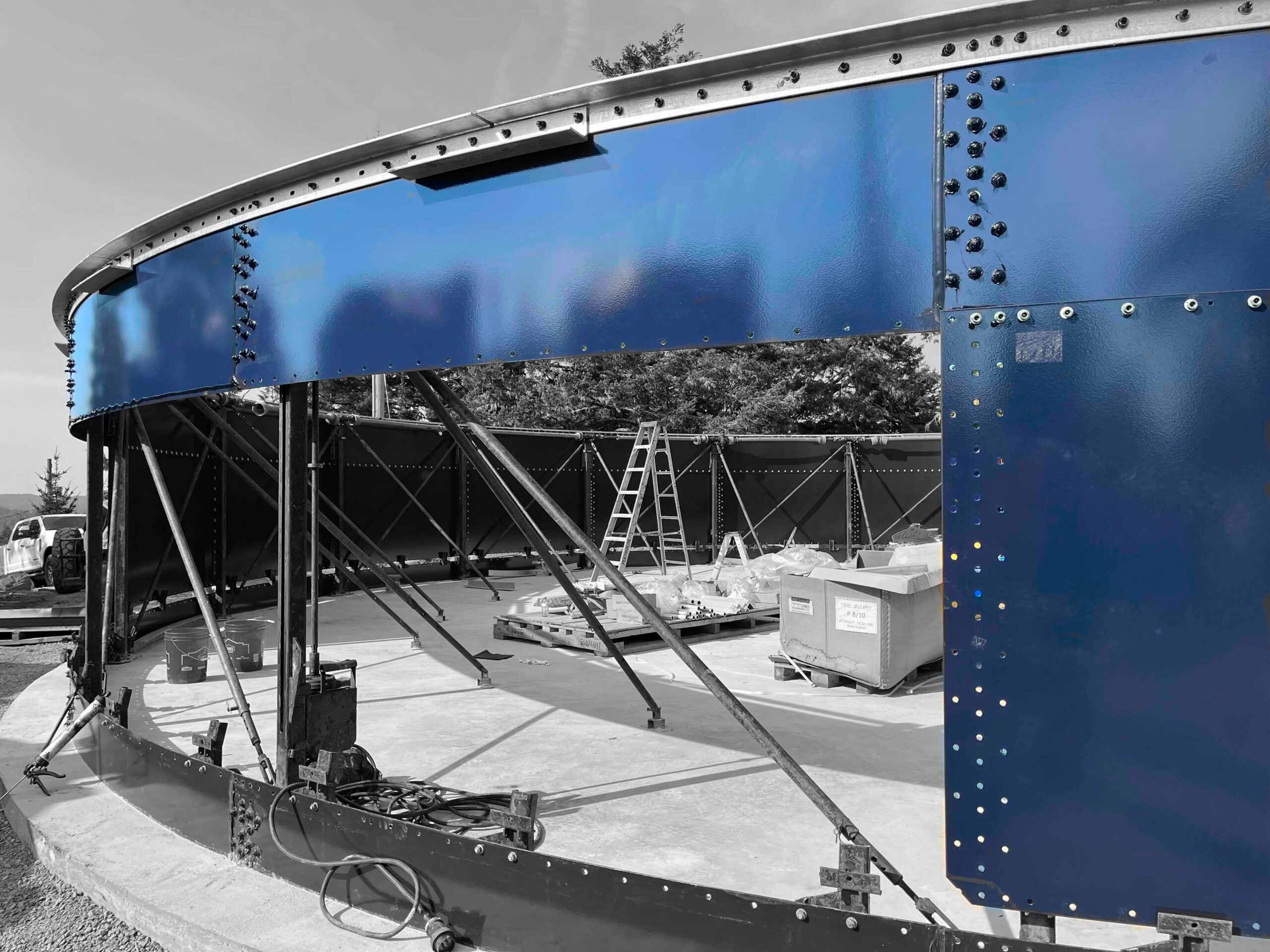
- Treatment system components
- Access stairs, ladders, and handrails
Prefabrication does not replace field construction. It supports it by moving suitable work off site, where conditions are more controlled and predictable.
Why Remote And Northern Projects Benefit From Prefabrication
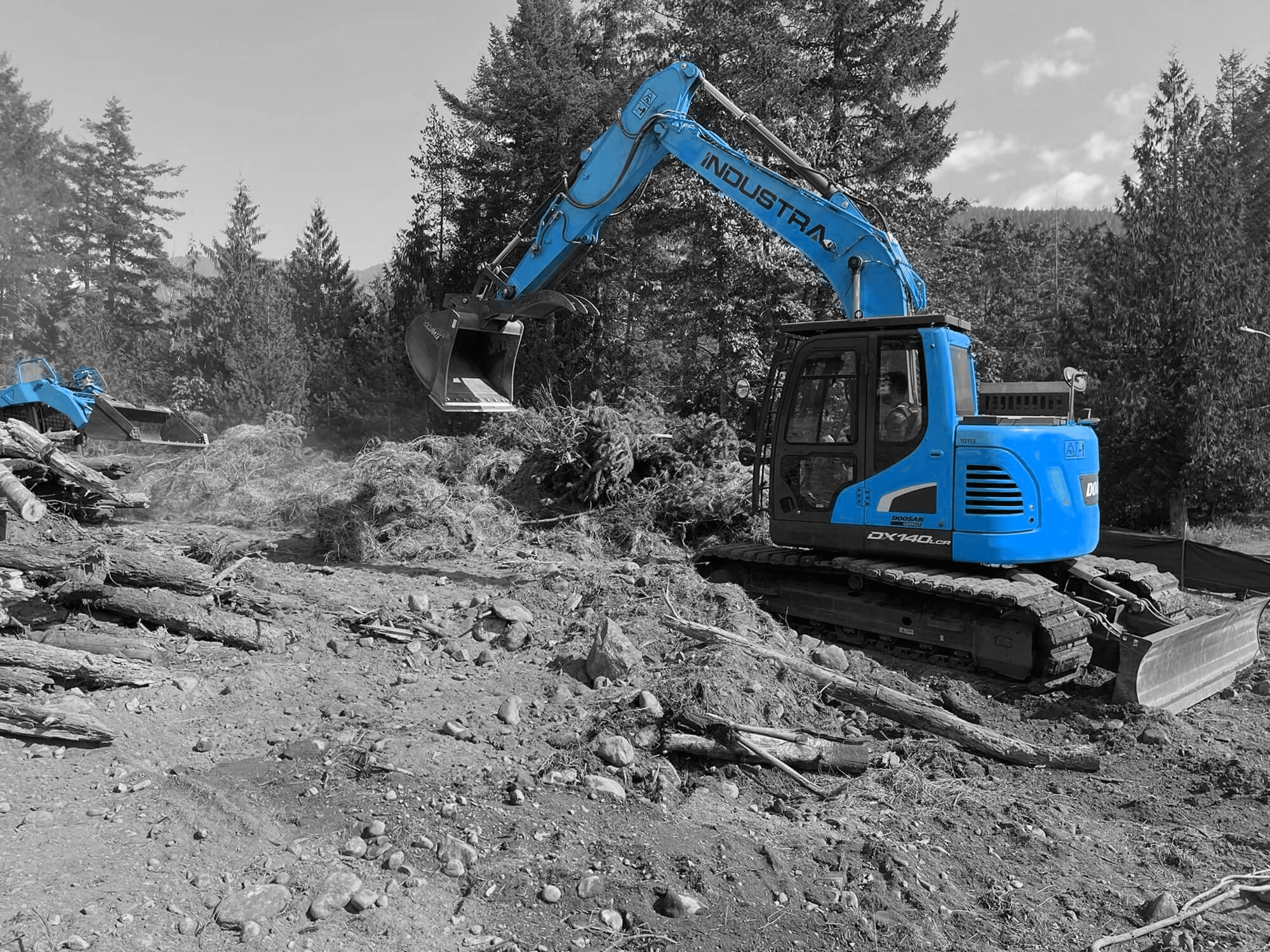
Remote and northern projects often have limited room for error. Access may depend on winter roads, barges, aircraft, or long-distance trucking. Weather windows may be narrow. Site labour and equipment availability may be constrained.
Prefabrication helps reduce the amount of work that must be completed in those conditions.
By completing selected scopes before materials arrive on site, project teams can reduce field installation time, improve quality control, and make better use of limited access windows. This is especially valuable on projects involving First Nations infrastructure, northern municipal utilities, and remote industrial facilities.
Better Schedule Certainty
Schedule certainty is one of the strongest reasons to consider prefabrication.
In remote regions, every day on site matters. Crews, equipment, accommodations, fuel, materials, and transportation must be coordinated carefully. If too much fabrication is left for the field, the schedule becomes more exposed to weather, missing materials, and site constraints.
Prefabrication allows work to happen earlier in the project sequence. While site preparation, foundations, or access planning are underway, fabrication can proceed off site. This parallel workflow can help compress the overall schedule and reduce pressure during the main construction window.
This supports the same planning principles discussed in our blog on what make`s remote Arctic construction different from conventional project delivery.
Improved Quality Control
Quality is easier to manage when work is performed in a controlled environment. Prefabrication allows crews to complete assemblies with better access, proper tooling, stable temperatures, and more consistent inspection processes.
This can improve:
- Weld quality
- Dimensional accuracy
- Coating and protection
- Fit-up between components
- Testing before shipment
- Documentation and turnover records
For assets such as water treatment plants, wastewater upgrades, pump stations, and industrial systems, quality during fabrication has a direct effect on long-term performance. Our approach to Safety & Quality supports careful planning, inspection, and documentation at every step.
For more context, see our blog on how quality control during construction affects long-term asset performance.
Safer Work In Challenging Environments
Safety is priority one. In northern and remote locations, field work may involve cold temperatures, wind, snow, limited daylight, difficult access, and restricted emergency response options.
Prefabrication can reduce the amount of high-risk work that must be completed on site. Tasks such as fitting, welding, assembly, and testing may be safer and more efficient in a controlled shop environment than in extreme field conditions.
This does not remove the need for strong site safety planning. Installation still requires hazard assessments, lift plans, access control, and clear communication. However, reducing the amount of complex assembly work required on site can support our Zero Harm 365 mindset.
Reduced Logistics Risk
Logistics can determine whether a remote project succeeds. Materials may need to be delivered months before installation. Routes may be seasonal. Replacement parts may be difficult to source quickly once work begins.
Prefabrication supports logistics planning by consolidating materials into complete or near-complete assemblies before shipment. Instead of sending many loose components to a remote site, teams can ship coordinated packages that have already been checked for fit, completeness, and quality.
This can help reduce:
- Missing parts
- Field storage challenges
- Excess handling
- Weather exposure
- Site congestion
- Unplanned freight costs
For northern logistics construction, the goal is simple: arrive with the right materials, in the right sequence, ready for installation.
Better Use Of Limited Site Labour
Remote projects often require careful workforce planning. Local hiring and training are important, but specialized trades may still need to travel to site. Travel costs, accommodations, rotation schedules, and availability all influence project performance.
Prefabrication helps make better use of site labour by reducing time spent on repetitive assembly work in difficult conditions. Site crews can focus on installation, tie-ins, testing, commissioning, and coordination with operations.
This approach can also support local participation by creating clearer work scopes and safer installation sequences. Our blog on how local hiring and skills training strengthen remote infrastructure projects explains why workforce planning matters in remote delivery.
Stronger Constructability Planning
Prefabrication works best when it is considered early. It should not be treated as a last-minute solution after design is complete.
During early planning, the project team should review:
- Transportation limits
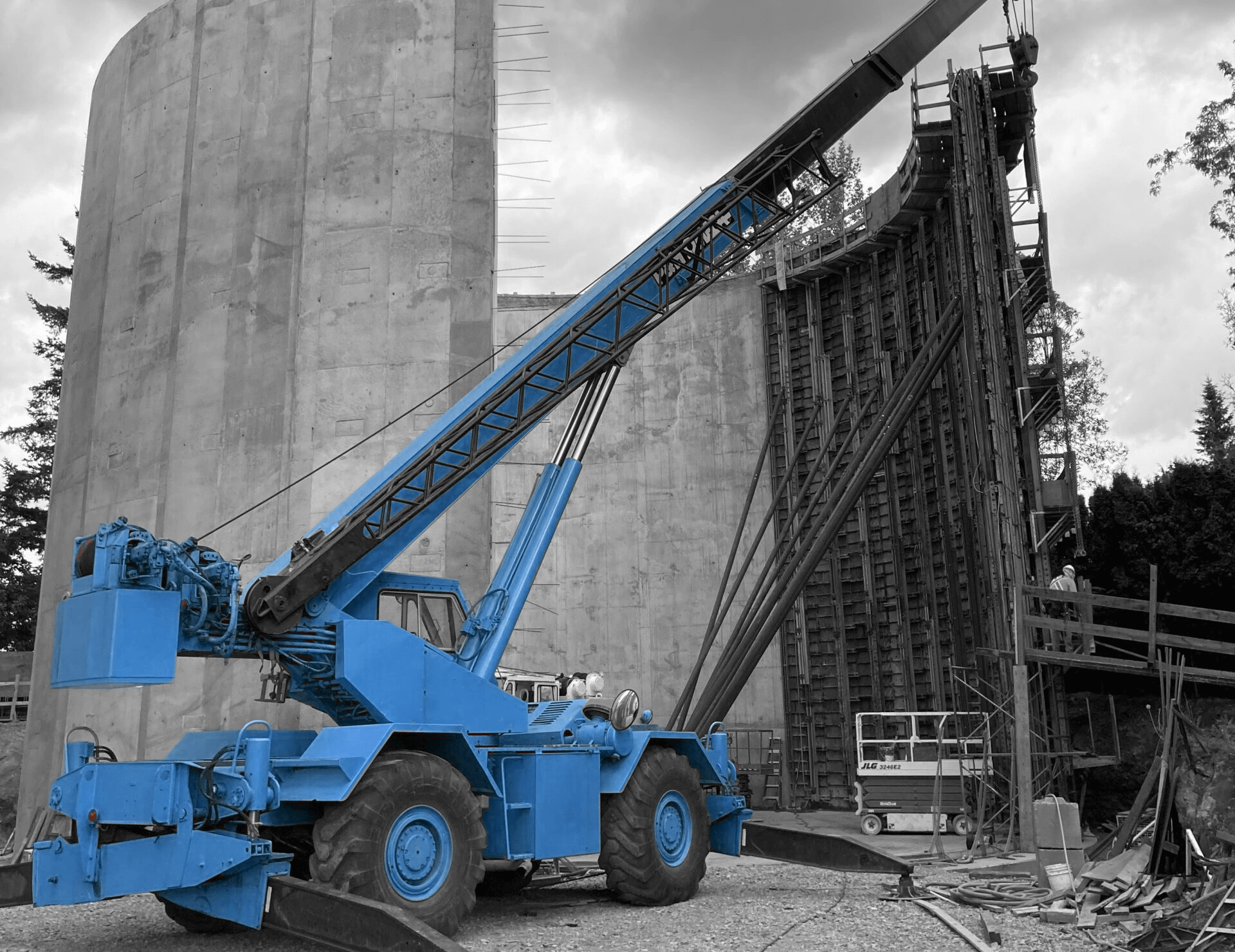
- Lifting requirements
- Module size and weight
- Site access
- Installation sequence
- Weather exposure
- Utility tie-ins
- Testing requirements
- Maintenance access
This is where EPC and design-build delivery can provide value. When engineering, procurement, and construction teams work together early, prefabrication opportunities can be identified before details are locked in.
Our in-house engineering and construction teams help connect design intent with field execution, which is especially important in remote and northern environments.
Applications In Water And Wastewater Projects
Prefabrication is well suited to many water and wastewater construction projects.
Examples may include:
- Pump skids for lift stations
- Pipe racks and process piping
- Chemical feed assemblies
- Valve chambers
- Equipment platforms
- Control panels
- Mechanical room assemblies
- Treatment system components
For communities with aging water or wastewater assets, prefabrication can reduce the time needed to complete shutdowns, tie-ins, and commissioning. This is especially valuable when existing systems must remain operational during construction.
Applications In Industrial And Institutional Projects
Prefabrication also supports industrial construction services and institutional upgrades where access, operations, and shutdown windows are tightly controlled.
Industrial owners often need upgrades completed without disrupting production. Institutional facilities may need phased construction around ongoing operations. Prefabricated assemblies can reduce on-site installation time and improve sequencing around operating constraints.
This makes prefabrication a practical tool for complex upgrades, not just remote new builds.
Key Considerations Before Choosing Prefabrication
Prefabrication is not the right answer for every scope. It must be evaluated carefully during planning.
Owners and project teams should consider:
- Can the assembly be transported safely?
- Will prefabrication reduce site risk?
- Are dimensions and interfaces clearly defined?
- Can testing be completed before shipment?
- Is there enough schedule benefit to justify the approach?
- How will modules be lifted, stored, and installed?
- What happens if field conditions differ from assumptions?
Good prefabrication planning is practical. It focuses on the scopes where off-site work creates measurable benefits.
A Practical Tool For Remote Infrastructure Delivery
Prefabrication supports remote and northern infrastructure projects by improving schedule certainty, reducing logistics risk, strengthening quality control, and limiting complex work in difficult field conditions.
For owners, it can mean fewer surprises on site. For communities, it can support more reliable delivery of essential infrastructure. For project teams, it creates a clearer path from design to installation and commissioning.
Industra brings in-house engineering, self-perform construction capability, safety-first planning, and remote project experience to help owners identify where prefabrication makes sense.
To discuss an upcoming infrastructure project, contact us today.