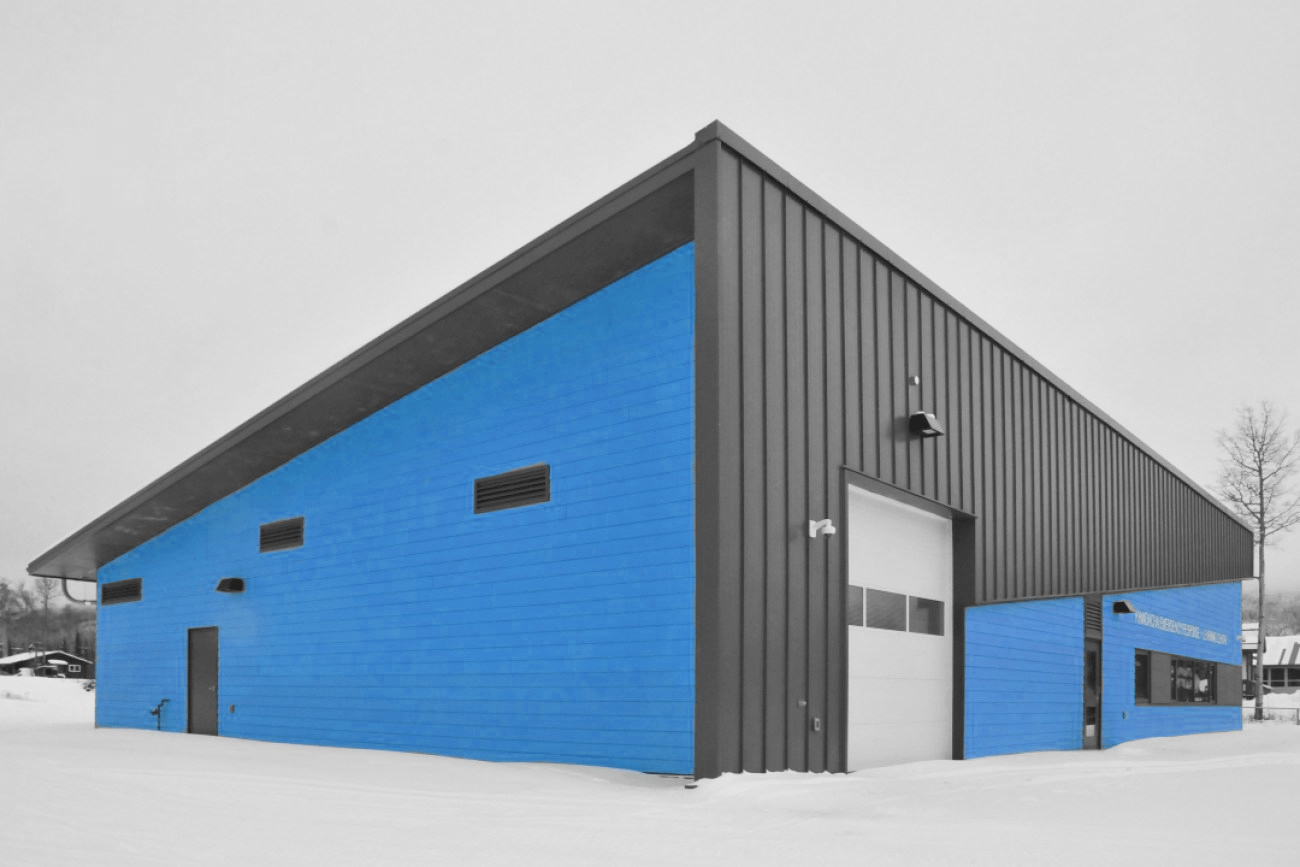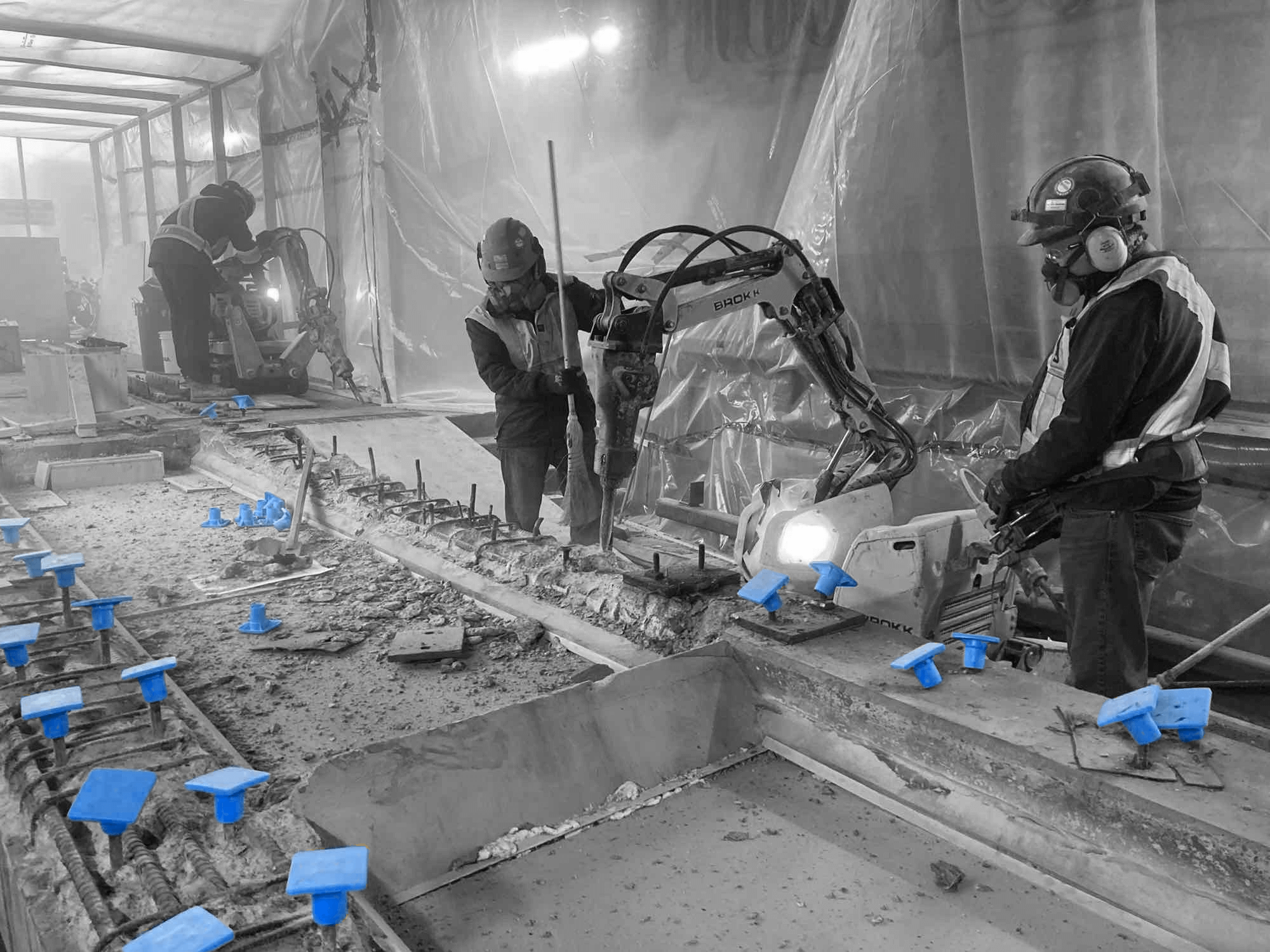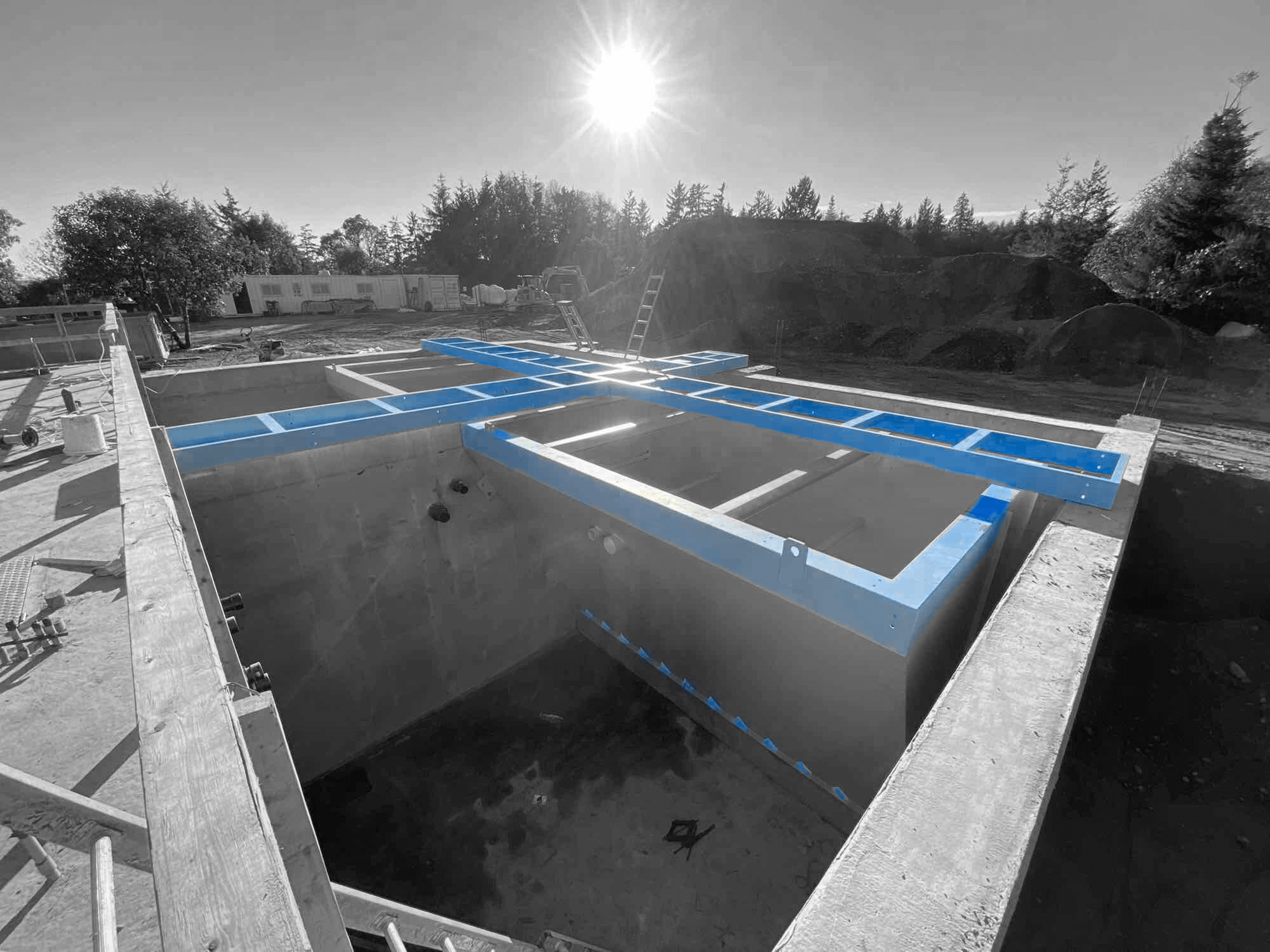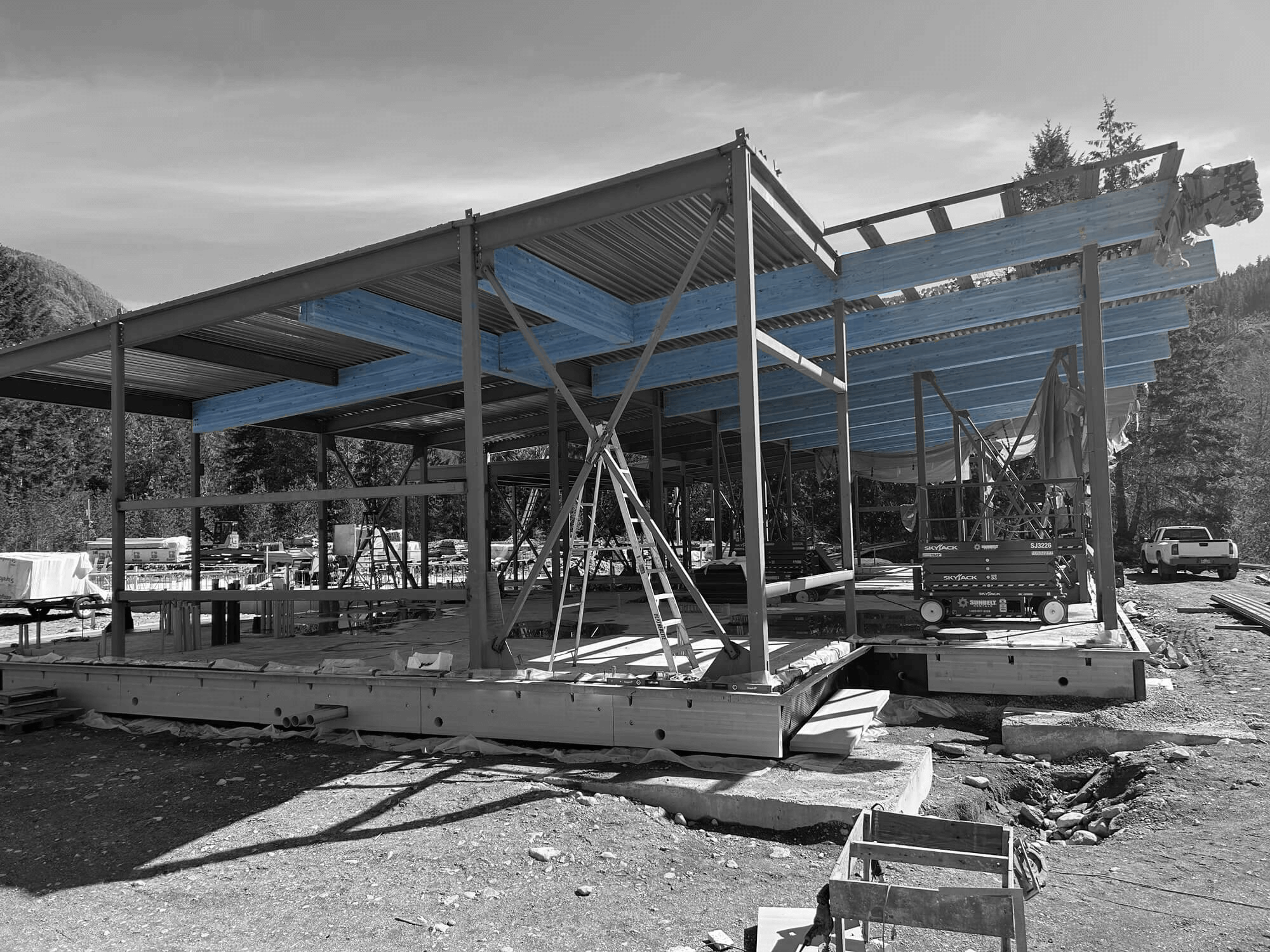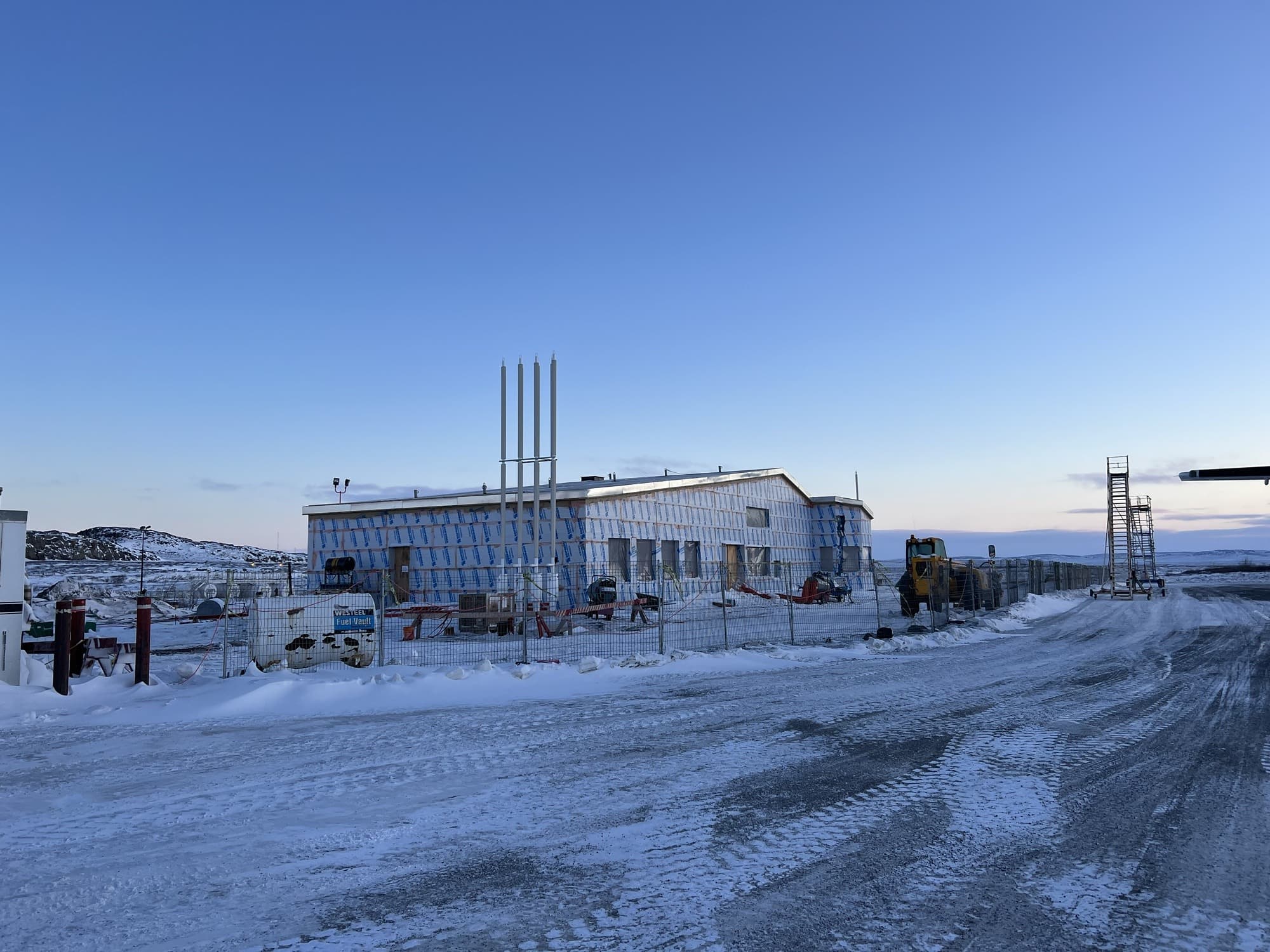
Remote Arctic construction is not simply conventional construction in a colder location. It is a fundamentally different form of project delivery shaped by climate, access limitations, workforce logistics, environmental sensitivity, and the realities of serving northern and remote communities.
In southern urban centres, contractors often work with stable supply chains, nearby labour pools, year-round road access, and relatively predictable site support. In the Arctic and other northern regions, those assumptions do not apply. Materials may arrive by seasonal sealift, winter road, or air. Construction schedules may be built around short weather windows. Temporary infrastructure often has to be established before core work can begin. Planning has to be more detailed because there is far less room for error once crews and equipment are mobilized.
That is why remote projects demand a different mindset from the outset. Owners need delivery partners who understand integrated planning, disciplined logistics, field execution, and safety management in challenging environments. This is where an experienced EPC and design-build team can make a meaningful difference by aligning engineering, procurement, and construction around the realities of the North.
Remote Access Changes Everything
The biggest difference between remote Arctic construction and conventional project delivery is access. On many northern projects, there is no nearby supplier, no quick equipment rental option, and no practical way to replace missed materials on short notice. Every item, from structural components to process equipment to fuel, may need to be ordered, staged, packaged, and shipped months in advance.
That changes how projects are planned and managed.
In conventional delivery, procurement delays can sometimes be absorbed through resequencing or local sourcing. In remote work, a missed shipping window can affect an entire season. For that reason, procurement and logistics planning must start early and remain closely tied to field sequencing, laydown requirements, and transportation constraints.
This is also why prefabrication and modularization are often more valuable in northern work. Completing more assembly off site can reduce labour hours in harsh conditions, improve quality control, and limit the amount of on-site work required during short construction windows. Our blog on What Makes Remote Construction Schedules Succeed in Northern Canada explores this issue in more detail.
Schedule Certainty Depends on Seasonal Windows
Conventional projects can often recover from delays by adding shifts, adjusting crews, or extending work into other seasons. Remote Arctic construction rarely offers that flexibility.
Northern schedules are often built around narrow access and installation windows. Winter roads may only be available for a limited period. Marine transport schedules must be met precisely. Earthworks, concrete placement, and utility installation may need to be timed around freeze-thaw cycles, snow conditions, wind exposure, or limited daylight.
That means schedule management in the Arctic is less about acceleration and more about precision. Project teams need to identify long-lead decisions early, lock in logistics well ahead of mobilization, and protect critical path activities with detailed contingency planning.
A practical remote schedule usually includes:
- Early procurement of long-lead materials and equipment
- Detailed sequencing tied to transport and access windows
- Pre-mobilization verification of drawings, quantities, and packaging
- Built-in contingency for weather, access disruption, and handling delays
- Close coordination between engineering, procurement, and field operations
This approach mirrors lessons shared in our article on Planning Construction for Winter Conditions in Western Canada, where planning depth often matters more than field speed.
Site Infrastructure Often Has To Be Built Before The Project Can Begin
On a conventional project, crews may arrive to a site with power, roads, communications, accommodations, and nearby support already in place. On remote Arctic work, those basic conditions often need to be created first.
Temporary access roads, work pads, laydown areas, camp facilities, fuel systems, communications infrastructure, and environmental controls may all need to be established before primary construction can proceed. That temporary work is not secondary. It is a core part of delivery strategy.
For owners, this matters because indirect work can represent a larger share of the total effort than on conventional projects. Budgeting, risk planning, and schedule development need to reflect that reality. A contractor with self-perform capability in civil construction and general construction can often coordinate these early works more effectively because site preparation and permanent construction are planned as one integrated operation.
Logistics Are Part of Construction, Not Separate From It
In the Arctic, logistics are not just a support function. They are part of construction execution itself.
Project success depends on how well the team manages shipping methods, packaging sequences, equipment utilization, storage constraints, weather exposure, and cargo priorities. Materials cannot simply arrive at a gate and be sorted later. They need to be packaged in the right order, protected for transport, and delivered in a sequence that supports field installation.
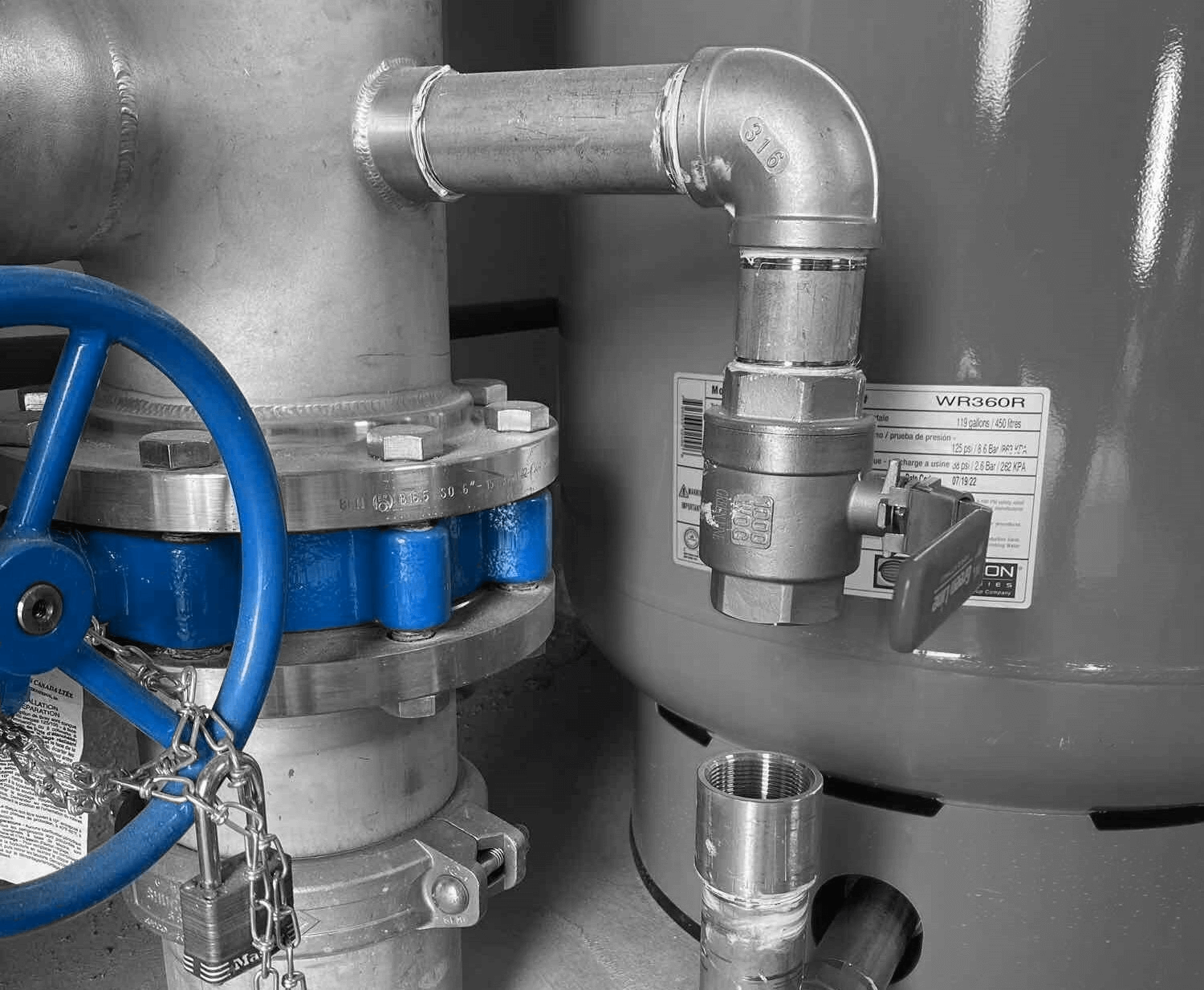
This becomes especially important for mechanical and utility systems. On remote water and wastewater projects, for example, process mechanical components, controls, civil works, and commissioning activities must all be coordinated long before crews reach site. One missing valve, cable assembly, or fabricated support can delay multiple trades.
Our post on Solving Remote Water Infrastructure Challenges in Western Canada highlights how remote delivery depends on integrating logistics, constructability, and field conditions from the start.
Safety Planning Has To Account For Isolation and Exposure
Safety is priority one on every project, but remote Arctic work introduces additional risks that are less common in conventional delivery. Isolation, severe weather, limited emergency response access, travel fatigue, wildlife interaction, and environmental exposure all require more comprehensive planning.
A strong remote safety program is built around prevention, preparedness, and communication. It includes clear mobilization protocols, task-specific hazard assessments, cold-weather procedures, travel management, fatigue mitigation, emergency response coordination, and reliable site supervision. The goal is not only regulatory compliance. It is creating conditions where crews can work confidently and consistently despite the challenges of the environment.
At Industra, that commitment is reflected through Safety & Quality and our safety approach, supported by the Zero Harm 365 mindset. This aligns with a broader principle we discussed in Why Safety Performance Is a Leading Indicator of Project Success: projects that plan well for safety also tend to perform better in schedule, quality, and execution.
Environmental Sensitivity is Often Higher in Northern Work
Many remote projects are delivered near sensitive watercourses, fish habitat, traditional land use areas, wetlands, or ecologically important terrain. In Arctic and sub-Arctic environments, environmental disturbance can also take longer to recover because of climate and soil conditions.
That is why environmental protection planning needs to be integrated into design, logistics, and field execution from the beginning. Sediment control, spill prevention, material storage, waste handling, access management, and wildlife considerations all need to be tailored to the site and season.
This is particularly important for infrastructure such as treatment systems, marine works, in-stream upgrades, and utility construction in environmentally sensitive areas. Our blog on Delivering Infrastructure Projects in Environmentally Sensitive Areas and Why Environmental Protection Planning Must Start During Concept Design both speak to the value of integrating environmental stewardship early rather than treating it as a late-stage compliance task.
Community Partnership Matters More in Remote Delivery
Conventional project delivery often focuses heavily on technical scope, price, and schedule. Those factors matter in the North as well, but community relationship management is even more important.
Remote projects frequently affect communities directly through access, employment, local infrastructure, land use, and service continuity. In many cases, successful delivery depends on respectful collaboration with First Nations governments, community leadership, and local stakeholders from early planning through construction and handover.
That means listening carefully, communicating clearly, and identifying practical ways to support local participation. It may include local hiring, skills development, subcontracting opportunities, or adapting work planning to community priorities and local conditions.
For a contractor working across northern and remote regions, these relationships are not peripheral. They are a core part of responsible project delivery. Industra’s broader commitment to community and long-term partnership is reflected through our About pages and community initiatives such as Industra Cares.
Quality Control Has To Be Proactive, Not Reactive
On conventional projects, deficiencies can sometimes be corrected with relatively minor disruption. In remote work, rework can be significantly more expensive because labour, materials, and access are harder to coordinate. Quality planning therefore has to be proactive.
That means inspection and test plans should be defined early. Fabrication tolerances, material verification, pre-shipment checks, equipment testing, and documentation controls all become more important when site correction options are limited. Quality is not just about final acceptance. It is about protecting schedules and reducing avoidable remobilization.
A disciplined quality assurance program supports that outcome by helping teams get critical work right the first time. The same principle is covered in our blog Why Quality Planning Matters More Than Speed in Government-Funded Projects, which applies just as strongly in remote northern delivery.
Remote Arctic Construction Requires a Different Delivery Strategy
The most important takeaway for owners is this: remote Arctic construction is not a standard project with added travel time. It requires a different delivery model, one built around logistics, seasonal planning, integrated execution, safety, quality, environmental stewardship, and community partnership.
When those elements are treated as core project drivers rather than side considerations, remote infrastructure becomes more predictable and more resilient. That is especially important for northern communities and operators who depend on essential systems working reliably in difficult conditions.
For owners planning infrastructure in remote or northern regions, the right project partner is one that understands how to connect engineering, procurement, logistics, civil works, mechanical systems, safety planning, and stakeholder coordination into one disciplined approach. That is how remote projects move from high risk to well-managed delivery.
If you are evaluating a remote northern project, contact Industra to discuss how an integrated EPC and design-build approach can support safer planning, stronger execution, and better long-term project outcomes.