When public funds are used to build a facility, the expectation should be more than simply meeting regulatory standards. Public buildings – whether a childcare center in a growing municipality, a water treatment plant in a remote Indigenous community, or a federal correctional facility – are foundational to how a society functions. They must do more than exist within the framework of compliance; they must provide lasting, adaptable, and efficient service to the people they were built for.
At Industra Construction Corp, we know that a code-compliant building is often a minimum effort, not a maximum achievement. Through years of experience delivering EPC and design-build infrastructure across Canada, we’ve seen how deeper planning, collaborative design, and quality-focused construction produce far better outcomes. We believe public infrastructure should reflect pride, purpose, and performance – not just pass inspection.
Why Code Compliance Alone Falls Short
Building codes serve a critical role in protecting life, property, and environmental health. They create consistent standards for how structures should be built and maintained. However, they are not benchmarks for excellence – they are thresholds for legality and safety. The assumption that code compliance equals quality can be misleading.
A building that meets fire safety regulations, for example, may still fail to provide appropriate ventilation or thermal comfort. A compliant facility might check off boxes for accessibility, yet still be difficult to navigate for users with limited mobility due to poor layout choices or under-considered circulation space. Likewise, energy code compliance does not necessarily result in a facility that is energy-efficient in practice.
Many design decisions that directly affect the comfort, usability, and long-term performance of a building fall outside the scope of minimum codes. These include natural lighting, durable finishes, spatial flexibility, user flow, acoustics, operational costs, and ease of maintenance. When these factors are deprioritized, buildings begin to degrade functionally – even while remaining technically compliant.
The Hidden Cost of “Just Good Enough”
Choosing the lowest bidder or the simplest design to meet basic compliance may look fiscally responsible in the short term, but it frequently results in higher costs over time. Building materials that meet code may still wear down quickly under heavy public use, leading to expensive repairs and replacements. Inefficient mechanical systems increase utility bills year after year. Floorplans that ignore staff workflows may cause bottlenecks, discomfort, or even operational risks.
Consider a regional health clinic that requires constant HVAC servicing, or a correctional facility with inefficient inmate transfer zones that add time and risk to daily operations. Or imagine a water treatment plant with no allowance for future expansion, requiring full replacement when capacity is exceeded. These are not rare scenarios. They are common consequences of designing to meet minimums rather than performance goals.
Industra addresses these problems by engaging clients early in the process to evaluate the total cost of ownership. We factor in material life cycles, anticipated wear, energy usage, and long-term staffing requirements to create facilities that function better and last longer.
Design-Build Delivery: A Smarter Path for Public Projects
Traditional design-bid-build models separate the design and construction phases, often creating disconnects between the vision on paper and the realities of construction. Contractors bid on completed designs, and once construction begins, adjustments or misinterpretations often lead to delays, budget overruns, or reduced quality. These complications are especially frustrating in public projects where accountability and transparency are essential.
The design-build model, by contrast, consolidates responsibility under one contract. Industra brings together designers, engineers, and construction professionals from the beginning. This collaborative model encourages knowledge-sharing and decision-making that is grounded in real-world buildability.
Clients benefit from a single point of contact, tighter project timelines, and increased control over scope and budget. Potential issues are identified and addressed during design, not after construction begins. The result is a smoother process, better outcomes, and buildings that function as intended.
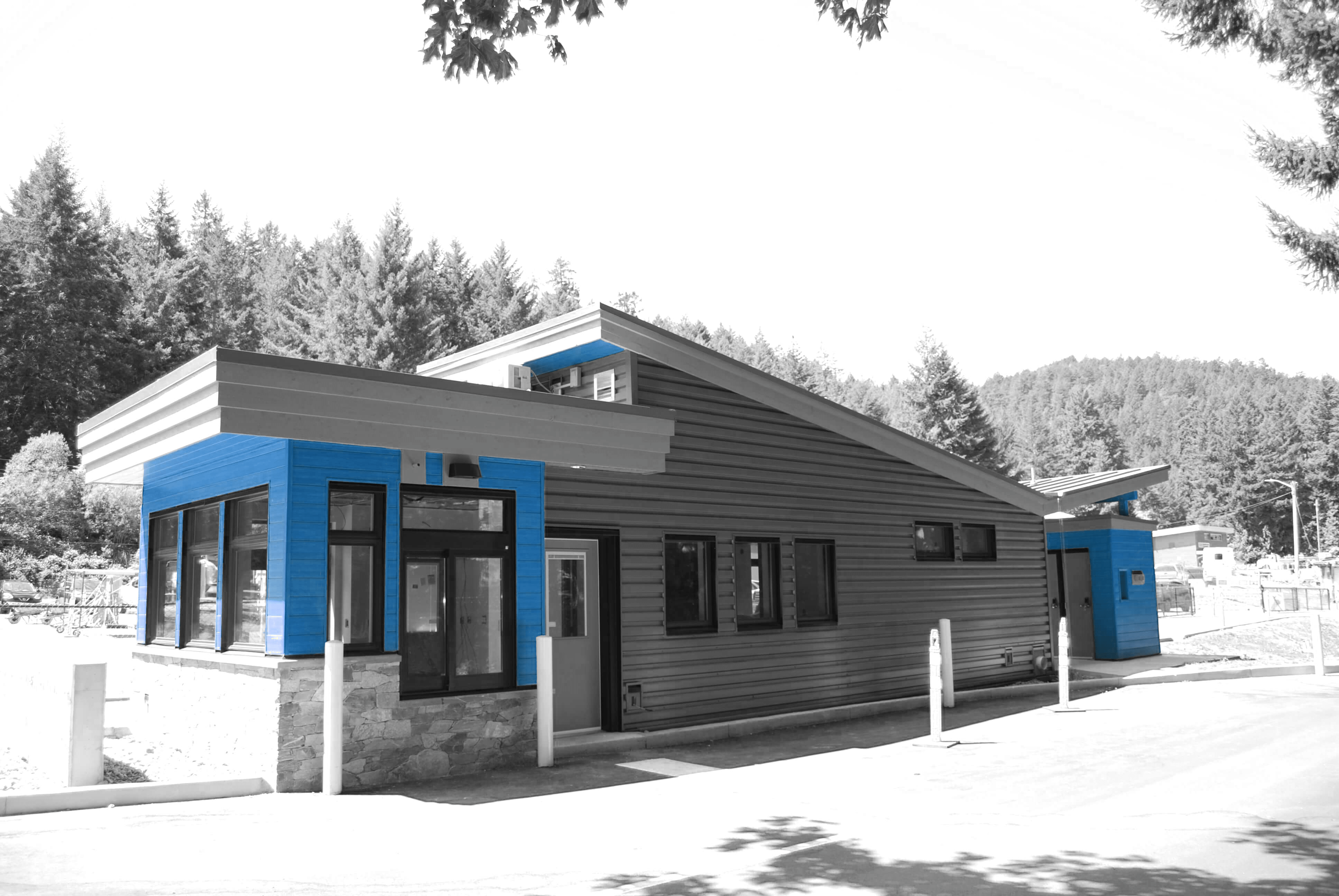
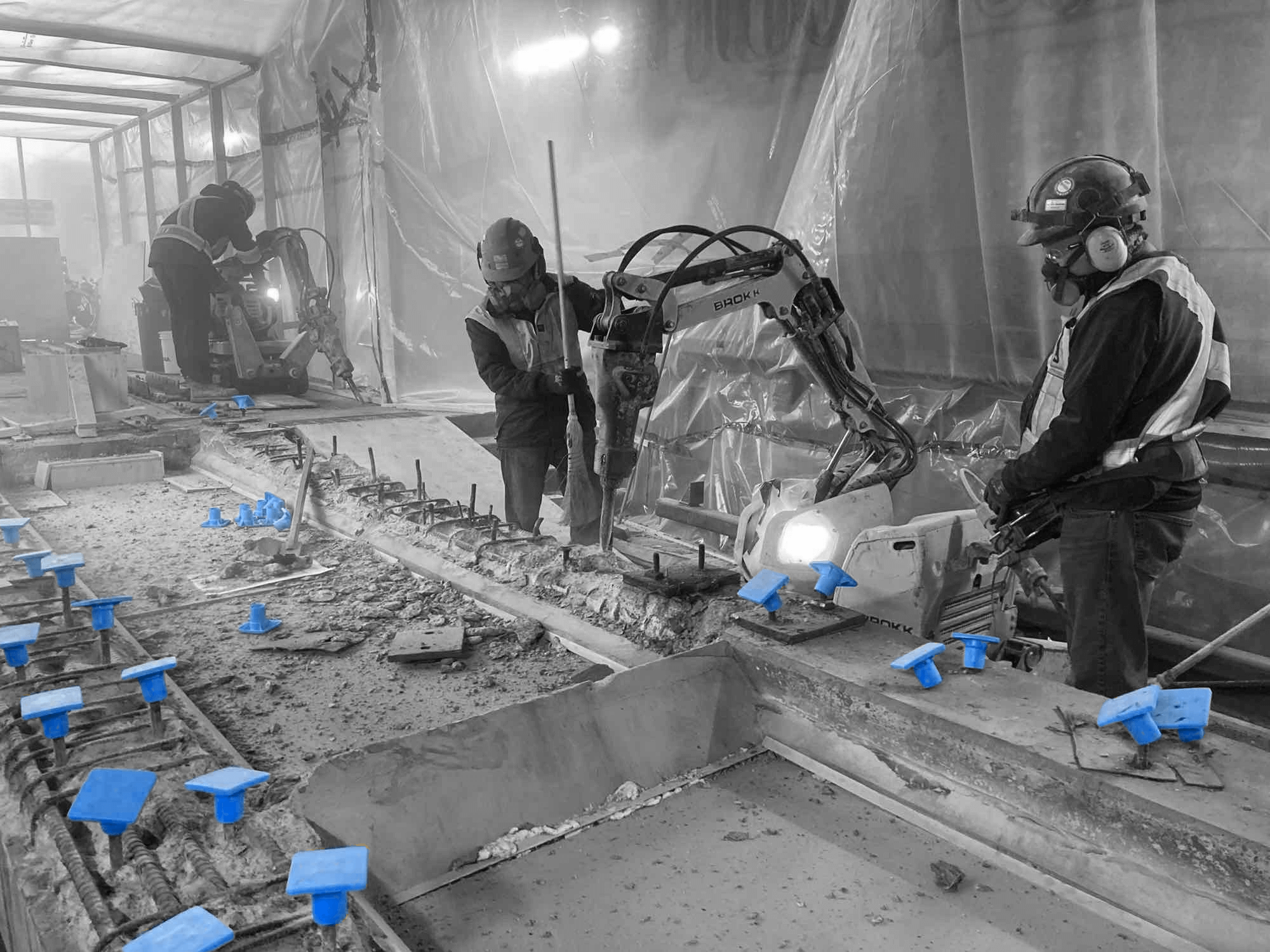
This delivery method has proven invaluable on projects such as the Mission Institution Water Main Replacement and the Goldstream Gatehouse Construction – both of which required secure access, complex scheduling, and seamless coordination between stakeholders.
User-Centered Design Makes Buildings Work Better
Public buildings are more than structures – they are workspaces, classrooms, medical clinics, and community centers. They are places where people spend hours each day, performing essential duties or accessing important services. For a facility to succeed, it must support the people who use it.
This means planning beyond compliance. For staff, this could involve designing sightlines for supervision, workstations placed near key utilities, or durable finishes in high-traffic areas. For visitors, it might mean intuitive signage, accessible restrooms, ample natural lighting, and comfortable waiting areas. For facility managers, the focus may be on mechanical systems that are easy to monitor and maintain, with long service intervals and simple replacement procedures.
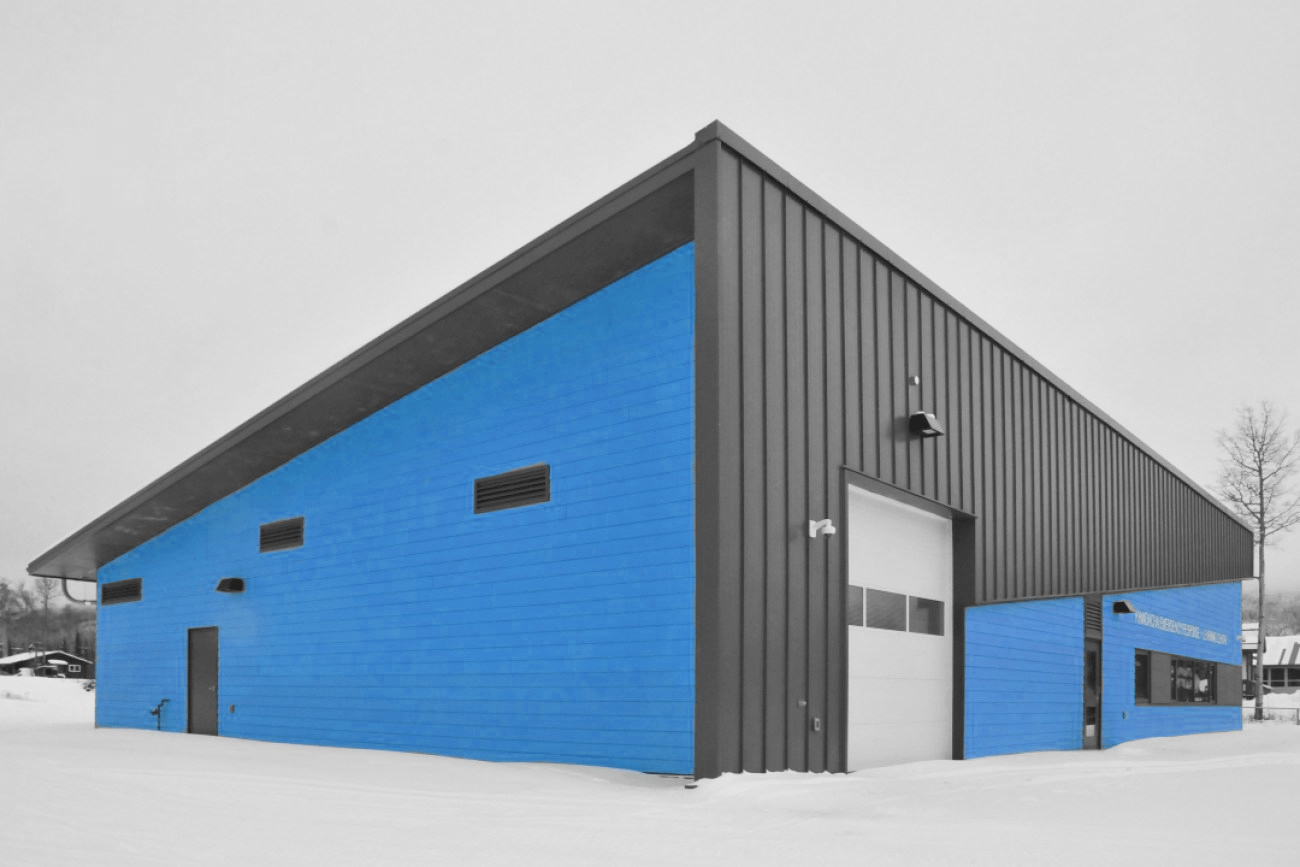
At Industra, we actively involve user groups during design. When working on the Kwadacha EMS and Adult Learning Centre, we gathered feedback from community health workers, administrators, and educators. The result was a facility with multi-use rooms, energy-efficient systems tailored to the local climate, and a design that reflected local values. These spaces are not only code-compliant – they’re effective and well-loved.
Building for the Realities of Canada’s Geography
Public buildings in Canada must contend with extremes – from frigid winters in the North to humid summers on the coast. In many cases, they are located in remote regions, accessible only by air, barge, or seasonal roads. These conditions introduce complexity that building codes rarely address.
Designing and constructing in these environments requires adaptability. Material choice must account for freeze-thaw cycles, wind load, and heavy snow accumulation. Construction logistics must be carefully planned to ensure that equipment, workers, and supplies arrive when needed, especially in areas where delays can cause months-long setbacks.
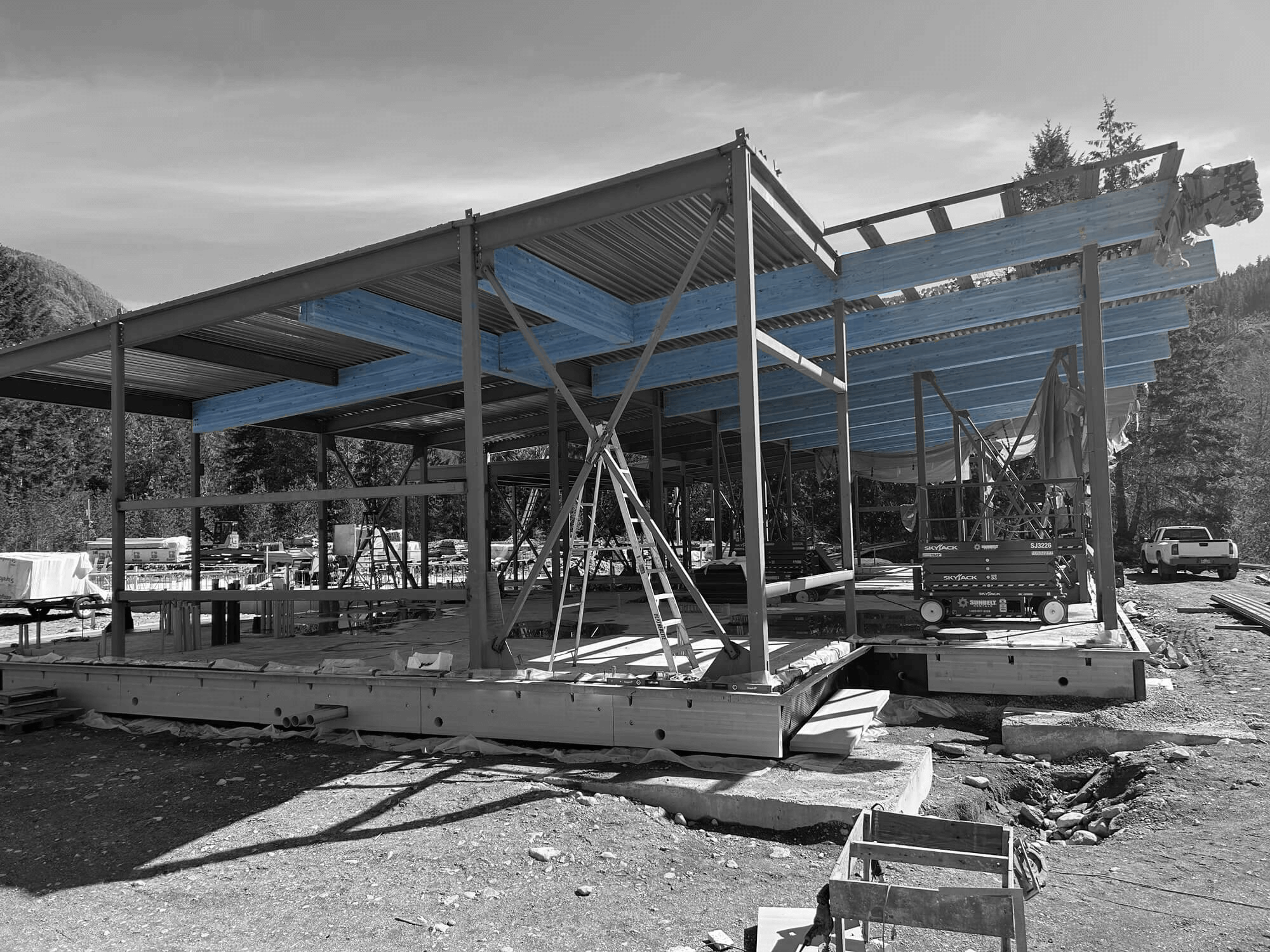
Industra’s work in the Northwest Territories, the Interior of British Columbia, and national parks like Lake Louise showcases our ability to solve these challenges. For example, the Délı̨nę Daycare and Preschool was constructed in a fly-in community with limited seasonal access. We used prefabrication techniques to minimize on-site labor and accelerate timelines – while still delivering a warm, child-friendly, and community-aligned facility.
These are not easy builds, but they are essential. Communities in remote locations deserve infrastructure that is reliable, resilient, and reflective of their unique needs.
Embedding Sustainability From the Start
Sustainability is no longer a buzzword – it’s a requirement. Municipalities and Indigenous communities are increasingly calling for facilities that reduce carbon emissions, conserve water, and limit operational costs over time. Building codes are catching up, but true sustainability often requires going further.
Industra incorporates environmental considerations at every step of the design-build process. This includes selecting low-embodied carbon materials, optimizing HVAC and lighting systems for energy efficiency, and using envelope designs that retain heat during harsh winters and keep buildings cool in summer. We also consider on-site energy generation, such as solar readiness, and water management features like rainwater harvesting or low-flow fixtures.
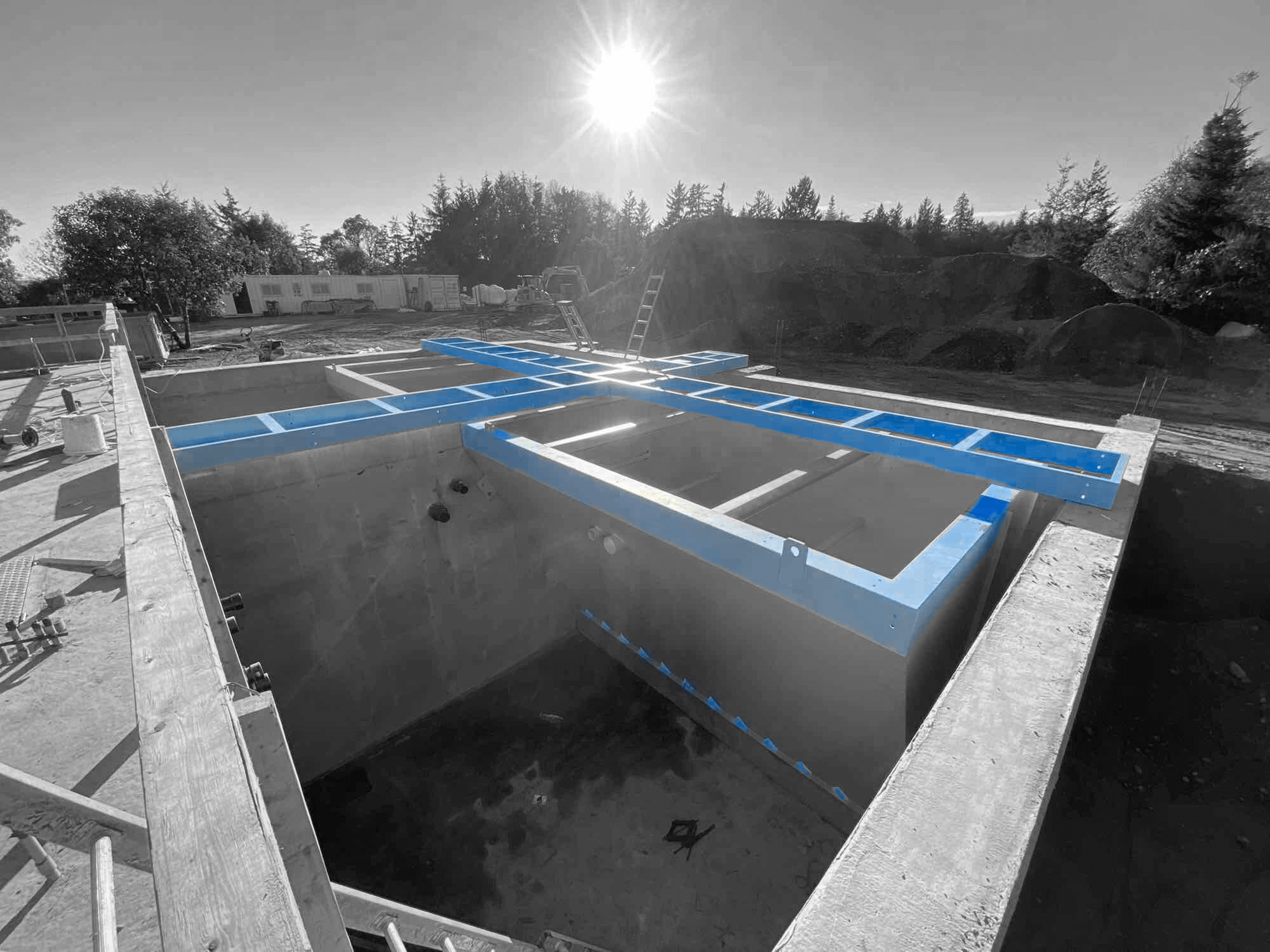
Our Colebrook Pump Station is a good example. The project included infrastructure upgrades that supported the client’s sustainability goals without inflating construction costs. These investments don’t just save energy – they also reduce strain on public budgets and contribute to broader environmental targets.
Cultural Relevance and Local Partnership
When working in Indigenous communities, the definition of building success includes cultural expression, community involvement, and skills development. It is not enough for a facility to work technically – it must feel like it belongs.
Industra has a long history of respectful collaboration with Indigenous clients. In projects such as the Anacla Wastewater Treatment System and the Kwadacha Water Treatment Plant, we engaged with community leaders, elders, and youth to understand local values. Designs often incorporated traditional symbols, gathering spaces, and construction methods that honored regional customs.
In many cases, we also worked with local tradespeople, creating employment and training opportunities that strengthened long-term self-sufficiency. By embedding local partnership into our project delivery, we ensure that buildings are not just accepted – but celebrated.
The Importance of Post-Occupancy Evaluation
The success of a public facility isn’t measured on opening day – it’s measured over time. Does the building support its intended functions? Are occupants satisfied? Is maintenance manageable? These are critical questions.
That’s why Industra conducts post-occupancy evaluations wherever possible. We gather feedback from staff and facility managers, review utility bills, assess building envelope performance, and consult on potential enhancements. These insights help clients make informed decisions on future upgrades and ensure that lessons are applied to new projects.
This feedback loop is particularly valuable for public institutions, where transparency and continual improvement are essential. It also reinforces our commitment to accountability – not just during construction, but throughout the building’s lifespan.
Public Infrastructure Should Be Built for Generations
Every dollar invested in a public building comes from taxpayers or community funds. That investment must deliver value not just for a few years, but for decades. This is why we view each facility as a legacy project – something that should endure changes in leadership, population growth, and shifts in service delivery.
By building beyond code, public agencies ensure that their infrastructure:
- Supports better outcomes for users
- Protects public investment
- Enhances community identity
- Minimizes long-term operational strain
At Industra, we bring together strategic planning, technical expertise, and real-world construction experience to help clients meet these goals. We believe that public buildings can – and should – be exemplary. Because when infrastructure performs well, communities thrive.
Final Thoughts: Compliance Is a Starting Point, Not a Finish Line
It’s time to change how we define success in public infrastructure. Code compliance ensures that a building is safe and functional. But excellence comes from going further – by planning for the long term, listening to users, honoring cultural context, and prioritizing performance.
At Industra Construction Corp, we’ve built that philosophy into everything we do. From municipal facilities to federal institutions and Indigenous community infrastructure, we deliver more than what’s required – we deliver what’s right.
If you’re planning a public project, consider what your building could be – not just what it has to be. Then talk to a partner who can make that vision a reality.
Contact us to start planning.