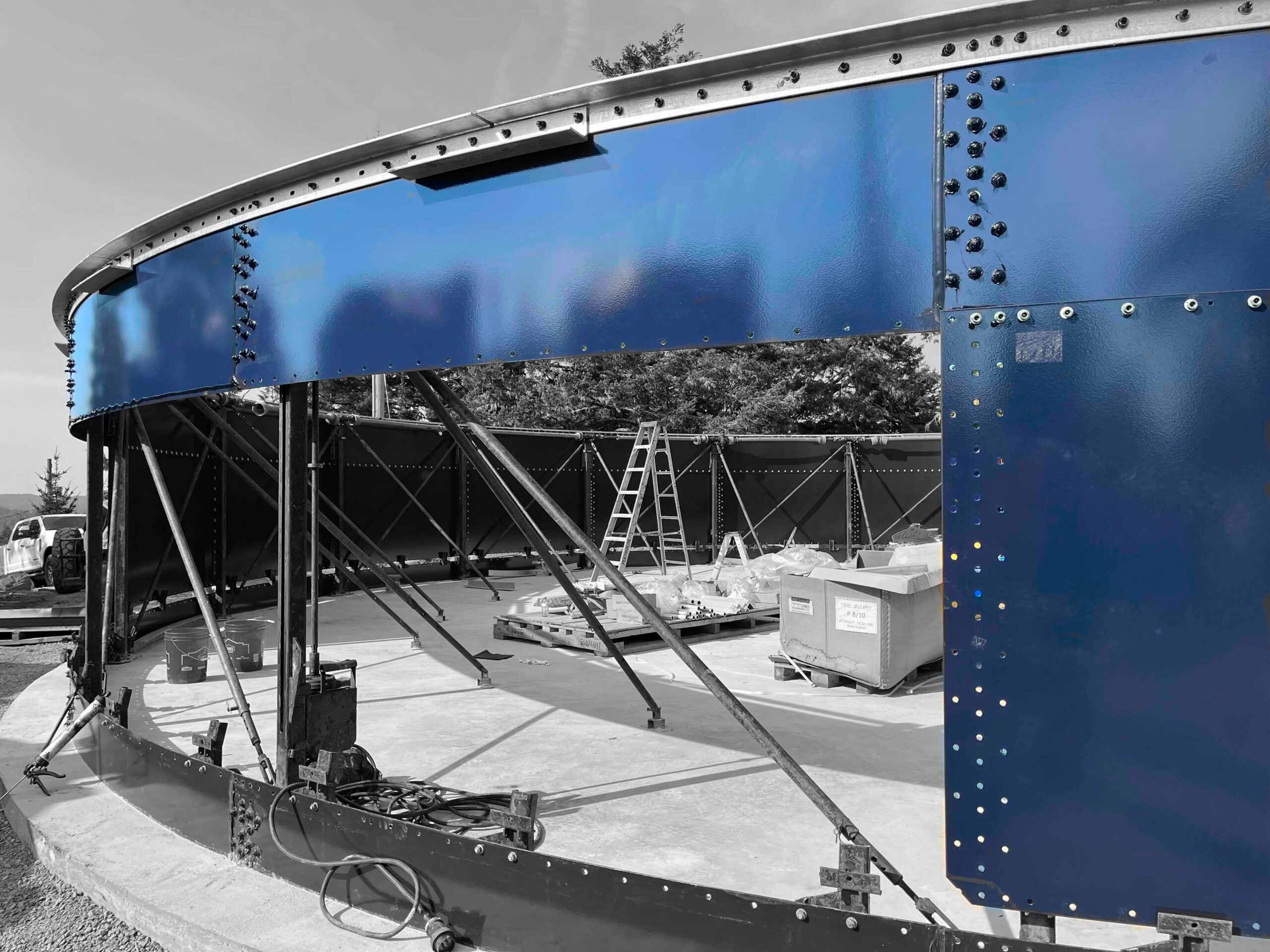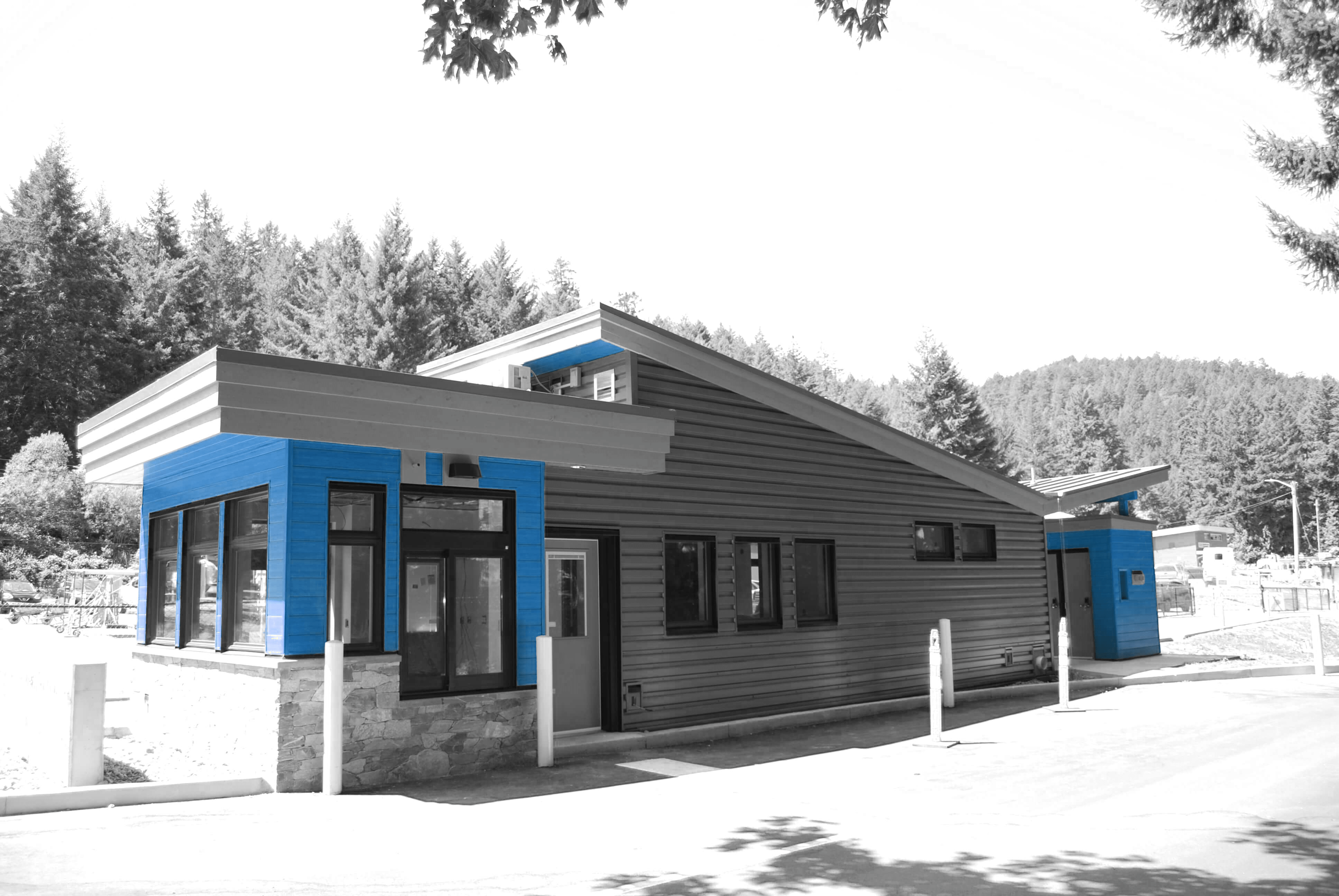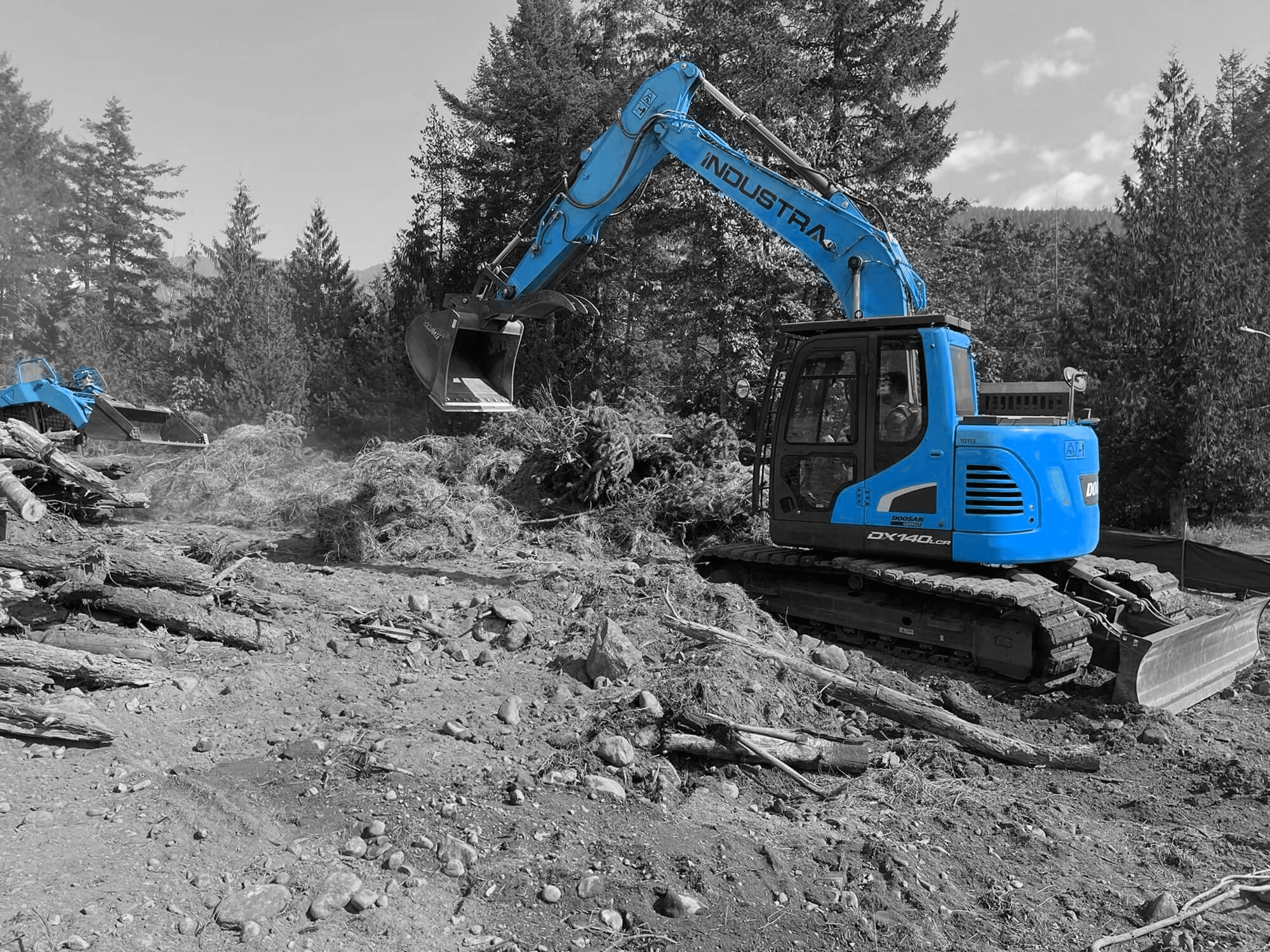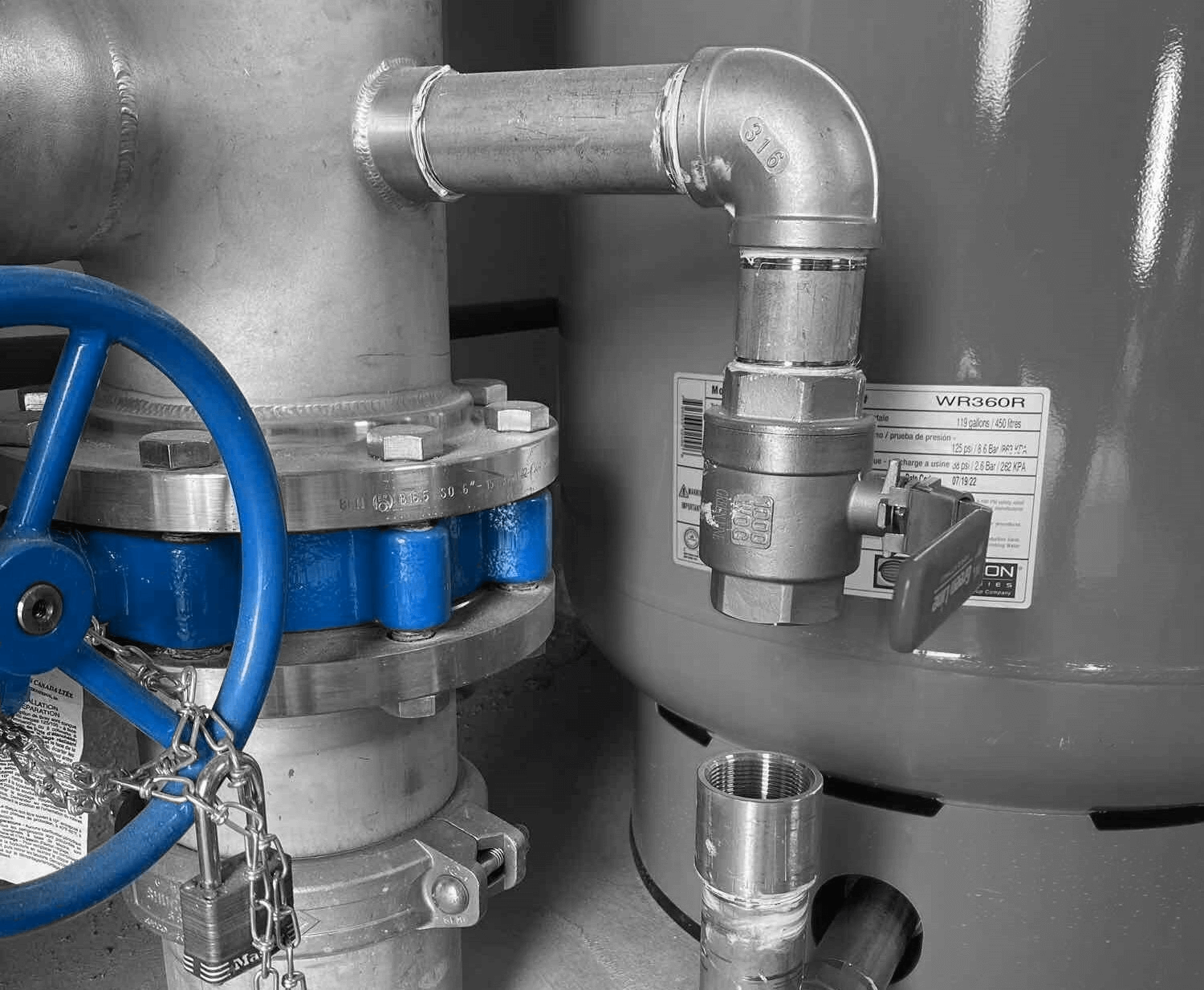
Upgrading an institutional building can be a major challenge for owners. Facilities like correctional centres, RCMP buildings, border stations, health care spaces, and federal infrastructure operate under strict timelines, tight security, and a long list of compliance requirements. The work often needs to be completed while the facility stays open, and the upgrades must meet high expectations for durability, performance, and safety. Many owners still rely on a traditional design-bid-build system, but this process can create unnecessary delays and added risk.
Design-build offers a more efficient path. It brings engineering and construction teams together from the start. This simple change reduces roadblocks that commonly slow institutional work. With one team planning, designing, scheduling, and building, owners gain faster delivery, more cost clarity, and fewer surprises.
These benefits matter in institutional markets, which depend on reliable operations. Disruption can affect everything from security procedures to community services. As more institutions aim to modernize older facilities or expand essential services, design-build continues to prove its value. Industra has completed a wide range of institutional projects across Canada using this delivery model. The approach aligns well with the needs of government clients who want predictable costs, strong communication, and dependable results.
Why Institutional Upgrades Need a Different Approach
Institutional buildings do not operate like standard commercial facilities. Security is higher. Access is limited. Regulations are strict. Scheduling must respect daily routines, and upgrades often require careful planning to avoid disrupting services.
Many institutions across Canada are also aging. Federal buildings, correctional centres, border stations, and administrative spaces face higher demand and need more efficient systems. Owners often aim to complete upgrades without removing the facility from operation. This adds pressure to complete work quickly and with fewer errors.
Traditional design-bid-build separates engineering and construction into two stages. Designers create drawings. Contractors price the work. Once construction begins, unexpected conditions or outdated design assumptions often lead to changes. These changes take time and add cost. For institutional projects, even small delays can be significant.
Design-build removes these divides. It connects the entire workflow. Engineers and builders collaborate from start to finish and solve problems faster. For institutions trying to avoid long periods of disruption, this is essential.
A Unified Team Means Better Planning
Institutional upgrades often start with limited site information. Many older facilities have outdated drawings. Underground utilities, mechanical systems, and electrical pathways may not match what appears on the original plans. Uncovering these conditions midway through construction is a common reason for delays.
With a design-build model, the team investigates these challenges early. Builders, engineers, and project managers work together to identify risks, confirm site information, and review feasibility. Since construction teams have hands-on experience with institutional environments, they can provide practical advice during design. This improves accuracy and gives owners a clearer picture of what to expect.
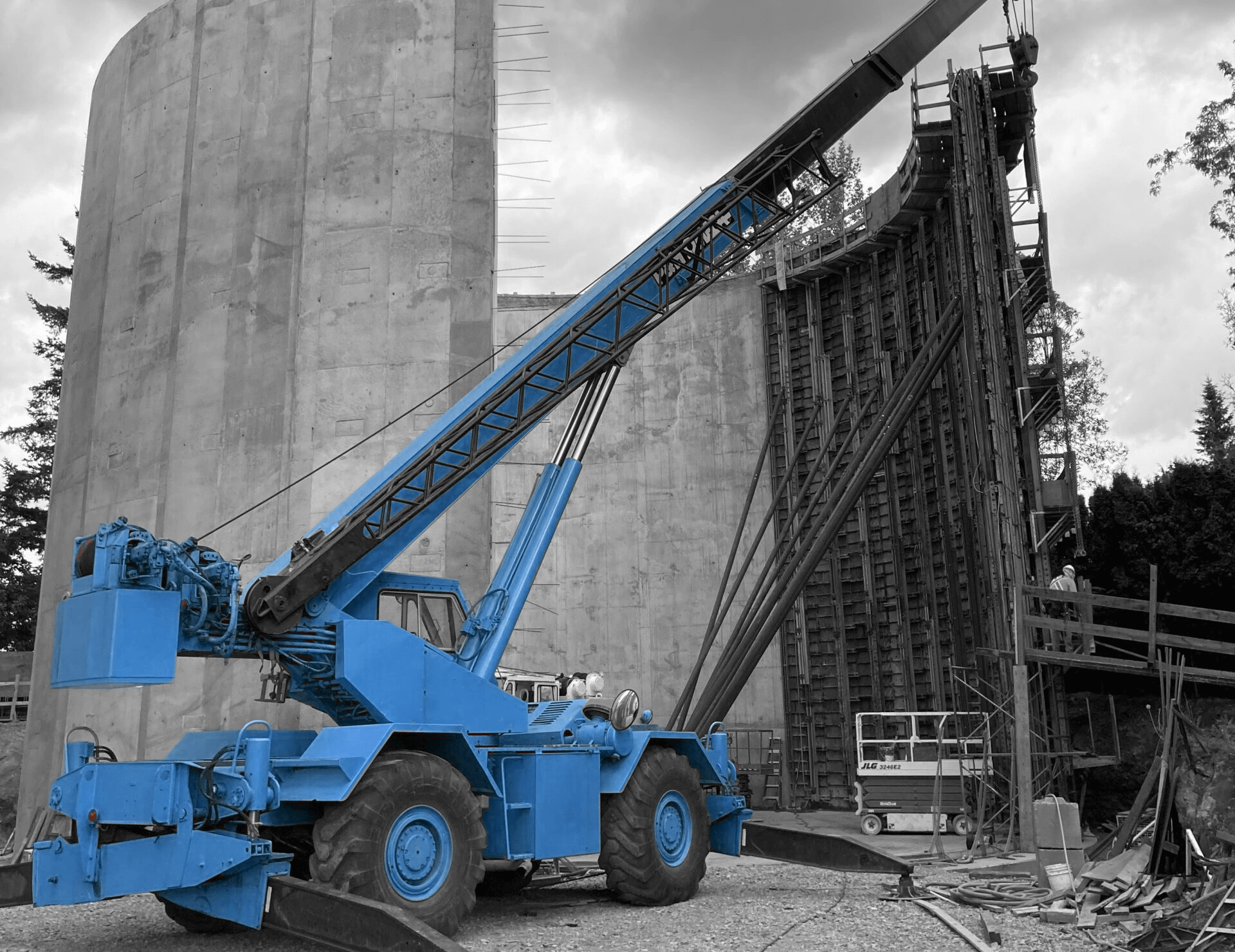
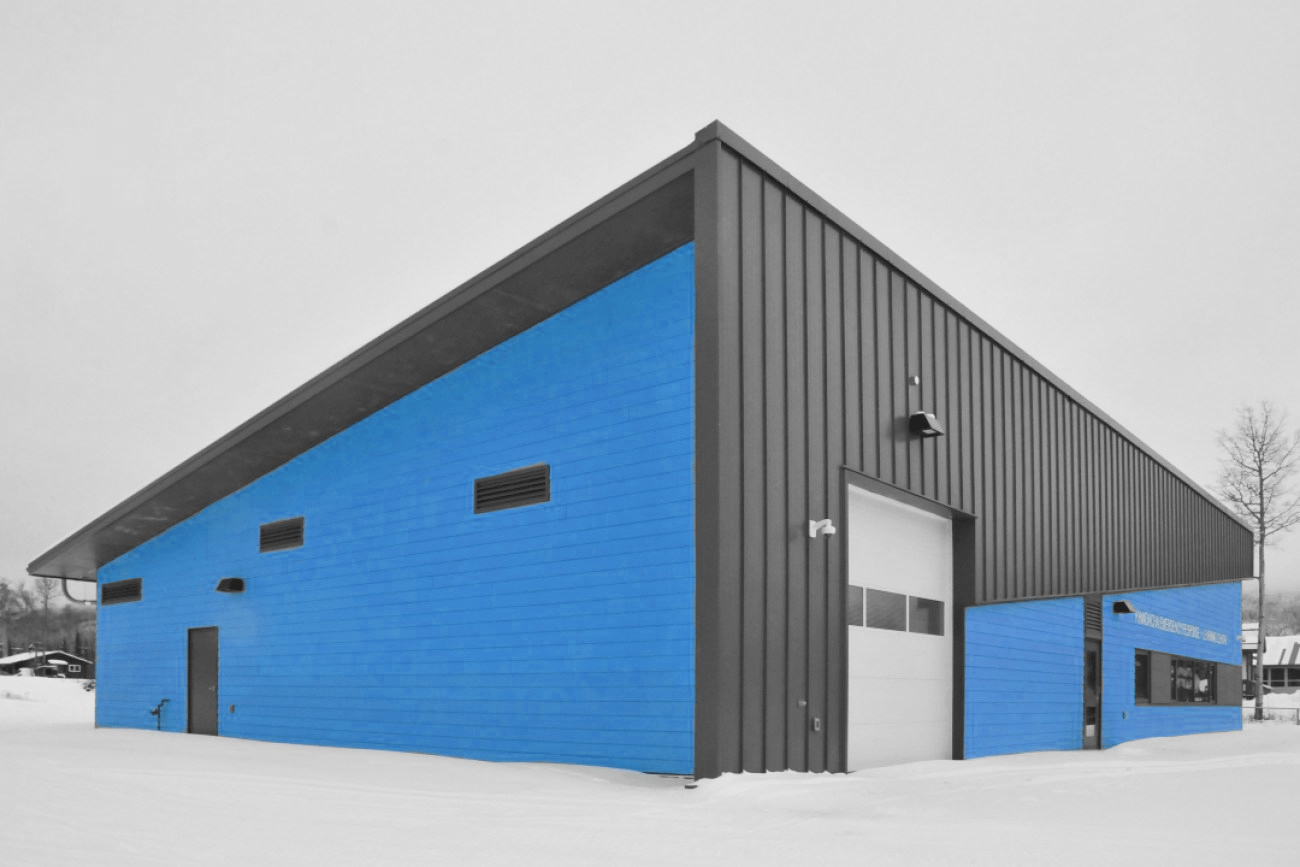
We apply this approach across our institutional projects. The Gold River Federal Building, the New Westminster Armoury Perimeter Improvements, and the Dease Lake Federal Building Expansion are examples where detailed planning reduced onsite disruption and improved scheduling outcomes. The design-build workflow makes it easier to plan around daily operations, coordinate site access, and work within sensitive environments.
Detailed planning also connects well with Industra’s multi-trade self-perform services. Because our teams handle civil, structural, mechanical, and other scopes, planning meetings involve the people who will complete the work. This improves design accuracy and reduces uncertainty when the project reaches construction.
For owners, this leads to a smoother path from concept to completion.
Stronger Cost Control
Institutional owners need clear budgets with little room for unplanned costs. This is especially true for government-funded projects where financial accountability is essential. Design-build is an effective solution because it manages cost risk early.
The design-build team provides cost estimating from the start. As the design evolves, the team checks feasibility, compares options, and looks for areas to save time or money without reducing quality. Because builders and engineers collaborate directly, they can find solutions that reduce labour, shorten installation time, or simplify materials.
This early involvement helps avoid problems that typically result in change orders. It also provides a more accurate view of final costs. With institutional upgrades, unknowns often hide behind walls, under floors, or above ceilings. When construction teams contribute to the design process, they can highlight these risks and create plans that reduce surprises.
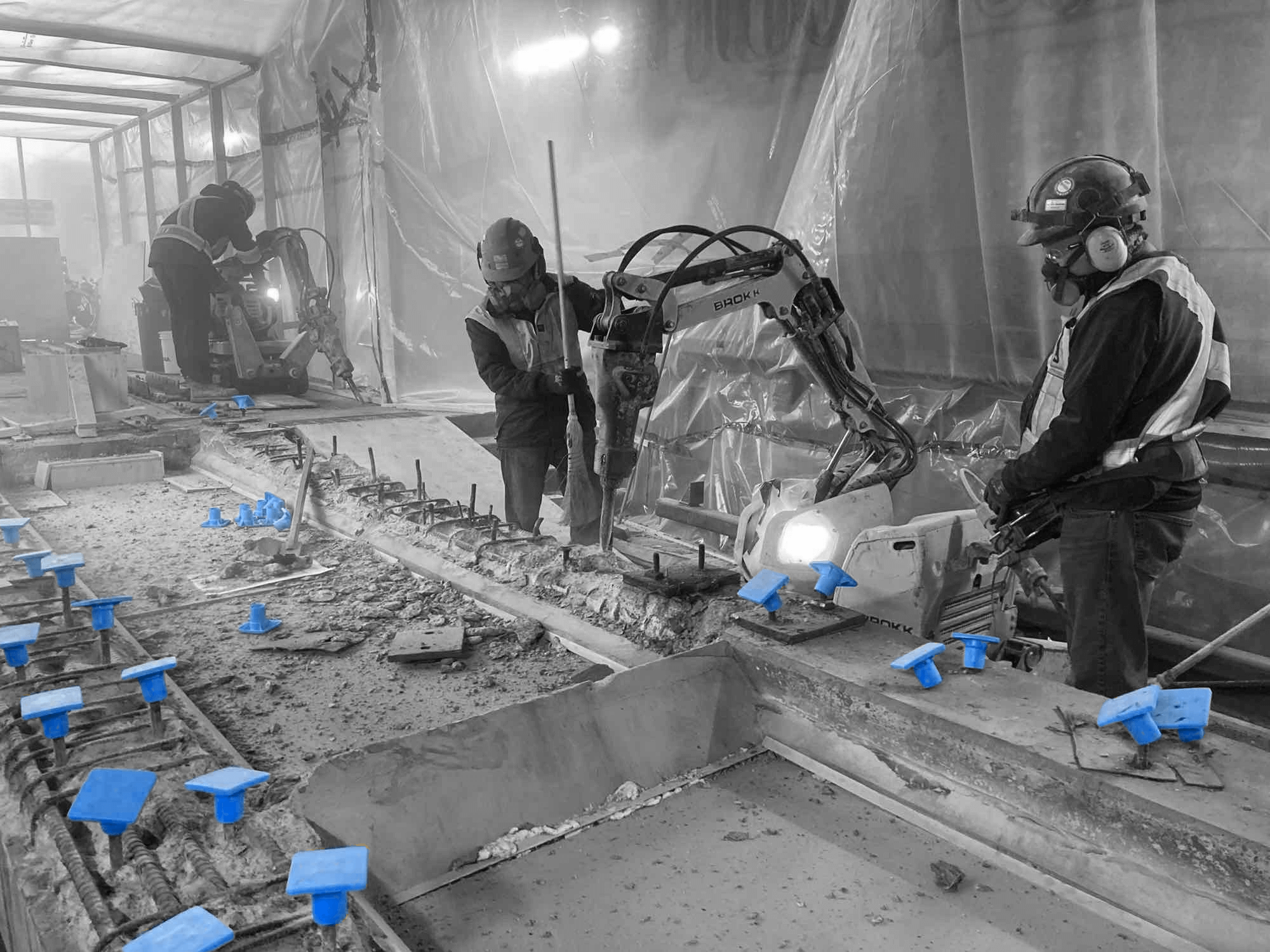
A clear example is the Fraser Regional Correctional Centre Segregation Unit Renovations. Coordinating mechanical, structural, and architectural changes required strong cost clarity. A design-build approach creates room to adapt without compromising budgets or schedules.
Institutional clients benefit from early cost certainty because it helps with approvals and funding allocation. It also builds trust between owners and contractors since both parties understand the financial framework from day one.
Faster Project Delivery
Institutional facilities often need upgrades completed as quickly as possible. A long construction window can disrupt essential tasks, increase security concerns, or affect services provided by the facility. Design-build shortens project duration by combining steps that traditional delivery separates.
Design and construction do not need to wait for one another. Once early drawings are ready, the team can begin procurement, site preparation, and some construction activities while technical details continue to evolve. This overlapping of tasks saves time without increasing risk.
During construction, design-build teams communicate faster because they operate under the same contract. When something unexpected appears onsite, decisions can be made immediately. There is no need to wait for approval between separate design and construction companies.
Past institutional work shows the importance of this speed. Delays would cause operational disruption. Design-build allowed work to progress in a controlled, organized manner that limited downtime.
Speed is not only about time on site. It also includes procurement and fabrication. When construction teams help select materials early, they can choose products with shorter lead times or suggest prefabrication strategies. Prefabricated components reduce installation time and improve quality. This is especially useful in secure facilities where onsite work must be minimized.
Better Communication and Fewer Conflicts
Institutional upgrades require strong communication. These projects involve multiple stakeholders, strict protocols, and extensive planning. When design and construction are separate, communication becomes slower. Information can be lost between teams, and decisions take longer.
Design-build solves this problem. With a single contract and a unified team, communication becomes simpler. Owners have one point of contact rather than managing separate engineering consultants and contractors. Meetings are more efficient because all project disciplines are present and working toward the same goal.
Clear communication also reduces conflict. In design-bid-build, disagreements often arise when construction teams claim that design drawings are unclear or incomplete. This leads to blame, change orders, and frustration. Design-build removes this divide. Since both groups collaborate from the start, they solve issues together.
We use detailed project management tools to track schedules, drawings, and changes. Many clients appreciate this transparency. Institutional owners need to maintain high levels of reporting, and design-build provides easier access to information. The process supports departments that must coordinate budgets, compliance, and operational planning.
Clear communication becomes vital when construction work must integrate with ongoing facility operations. Many institutional upgrades require night work, phased work zones, and careful safety planning. The design-build approach ensures that every party understands the schedule and can anticipate upcoming steps.
Improved Quality and Performance
Quality is one of the most important factors in institutional building upgrades. These facilities are used heavily. The materials and systems must be durable. The work must meet strict codes and satisfy multiple layers of oversight.
Design-build improves quality because the same team designs and builds the project. This continuity creates accountability. Builders have input during design, and engineers understand how construction teams will install their plans. This cooperation results in designs that are more practical, safer to install, and easier to maintain.
Quality control also improves when self-perform crews complete most major scopes. This keeps workmanship consistent and reduces the number of subcontractors. It also helps maintain safety, which is especially important in high-security or sensitive facilities. Industra’s work on institutional buildings across BC and Canada reflects this advantage.
The design-build team also controls the quality management plan from the beginning. With one team reviewing design documents, procurement choices, and installation methods, the entire project benefits from a consistent standard. Owners receive a finished product that meets expectations and supports long-term performance.
To further support strong quality outcomes, design-build teams often use technology such as 3D modeling, BIM coordination, and digital project tracking. These tools help identify conflicts, streamline communication, and confirm that the design meets operational needs. They also make institutional upgrades safer and more predictable.
Reduced Impact on Daily Operations
Keeping an institutional facility open during upgrades requires thoughtful planning. Design-build simplifies this process. When the same team controls design and construction, phasing strategies become more realistic. The team can evaluate building access, security requirements, and operational schedules while planning each stage of the work.
This planning helps avoid shutdowns. It also allows construction teams to coordinate around peak activity periods, staff schedules, or facility restrictions. For correctional centres, border stations, and administrative buildings, this is critical. Security teams need consistent access, and the building must remain functional.
Institutional upgrades often involve mechanical and electrical tie-ins that can affect large parts of the building. Coordinating these tasks through integrated design helps reduce downtime and keeps services stable. Owners gain confidence that work is being planned with their operational needs in mind.
Supporting Regulatory and Security Requirements
Institutional buildings must follow strict regulatory requirements. This includes building codes, fire safety standards, security protocols, environmental rules, and internal facility policies. Every upgrade must meet these rules without disrupting operations.
Design-build supports compliance by aligning design and construction teams. They work together to review requirements early, plan inspections, and communicate with authorities. This reduces the risk of failed inspections and rework.
Security is also easier to manage. One integrated team means fewer companies need access to the facility. This simplifies background checks, clearance approvals, and onsite supervision. In high-security environments, reducing the number of people inside the building improves safety and lowers risk.
A Delivery Model That Matches Modern Needs
Institutional facilities across Canada continue to upgrade aging infrastructure, expand capacity, and improve essential services. These projects rely on dependable partners who understand the unique challenges of government-owned buildings. Design-build continues to grow in popularity because it delivers predictable results, strong communication, and shorter timelines.
The model supports a more efficient workflow. It limits disruption. It improves quality and reduces cost uncertainty. For owners responsible for public assets, these advantages support long-term planning and responsible stewardship.
Partnering With Industra for Institutional Building Upgrades
Industra brings extensive experience in design-build delivery for institutional projects across Western and Central Canada. With in-house engineering, multi-trade self-perform services, and a strong quality and safety program, we help institutional owners upgrade essential buildings with confidence. Our team supports each phase of planning, design, and construction while minimizing disruption and improving performance.
If you are planning an institutional building upgrade or want to explore the advantages of design-build delivery, contact us and we’ll be happy to help.