When owners invest in a water treatment plant, pump station, industrial upgrade, or institutional facility, the goal is not just to finish construction. The goal is to deliver an asset that performs reliably for decades.
At Industra, we see quality control during construction as one of the most important drivers of long-term asset performance. It affects how systems operate, how often repairs are needed, how well assets withstand Canadian conditions, and how confidently owners can plan for lifecycle costs. That is why quality is not treated as a final inspection item. It is built into planning, execution, verification, and turnover from day one.
This same disciplined approach is reflected in our work on quality management systems in public infrastructure construction, where consistent processes help owners protect performance long after handover.
Quality Control Shapes Performance Long Before Commissioning
Many long-term asset issues do not begin during operations. They begin during construction.
A pipe spool installed slightly out of tolerance, incomplete coating preparation, poor concrete curing, misaligned equipment, or undocumented field changes may not cause an immediate failure. The asset may still start up and pass basic testing. But over time, those small deficiencies can lead to vibration, corrosion, leakage, premature wear, higher energy use, maintenance disruptions, or shortened service life.
That is why quality control has to be practical, field-driven, and continuous. In our work as a design-build contractor, we focus on building quality into each phase so the finished asset performs the way it was intended to perform.
Long-term performance is affected by quality control in several key ways:
- It protects design intent during field execution
- It reduces rework and hidden defects
- It improves reliability of mechanical and civil systems
- It supports safer operation and maintenance
- It strengthens documentation for future asset management
This lifecycle mindset aligns closely with our perspective on building infrastructure for lifecycle performance, not just capital cost.
The Link Between Construction Quality and Lifecycle Cost
Owners often evaluate projects through capital cost, schedule, and compliance. Those factors matter, but long-term asset performance depends just as heavily on what happened during construction.
Poor quality control can create costs that do not appear until years later, including:
Higher Maintenance Demand
Improper installation or incomplete verification often leads to recurring repairs, faster component replacement, and more operator intervention. In water and wastewater infrastructure, that can affect pumps, valves, piping, supports, coatings, access systems, and instrumentation.
Reduced Asset Life
Assets built with unresolved deficiencies tend to deteriorate faster. Exposure to moisture, freeze-thaw cycles, corrosion, settlement, abrasion, or chemical attack will magnify weak points over time.
Operational Inefficiency
Mechanical systems that are not aligned, balanced, or commissioned properly may consume more power, experience more downtime, or deliver lower throughput. On critical facilities, even small inefficiencies can accumulate into significant lifecycle cost.
Greater Risk to Service Reliability
For municipalities, First Nations communities, and industrial operators, performance issues are not only a maintenance concern. They can also affect service continuity, compliance, environmental protection, and public confidence.
That is one reason we connect quality closely with our Safety & Quality program. A well-built asset is easier to operate safely, maintain properly, and rely on over the long term.
Where Quality Control Matters Most During Construction
Quality control is not a single checklist. It is a coordinated system of reviews, inspections, testing, and documentation applied to the activities that matter most.
Civil and Structural Work
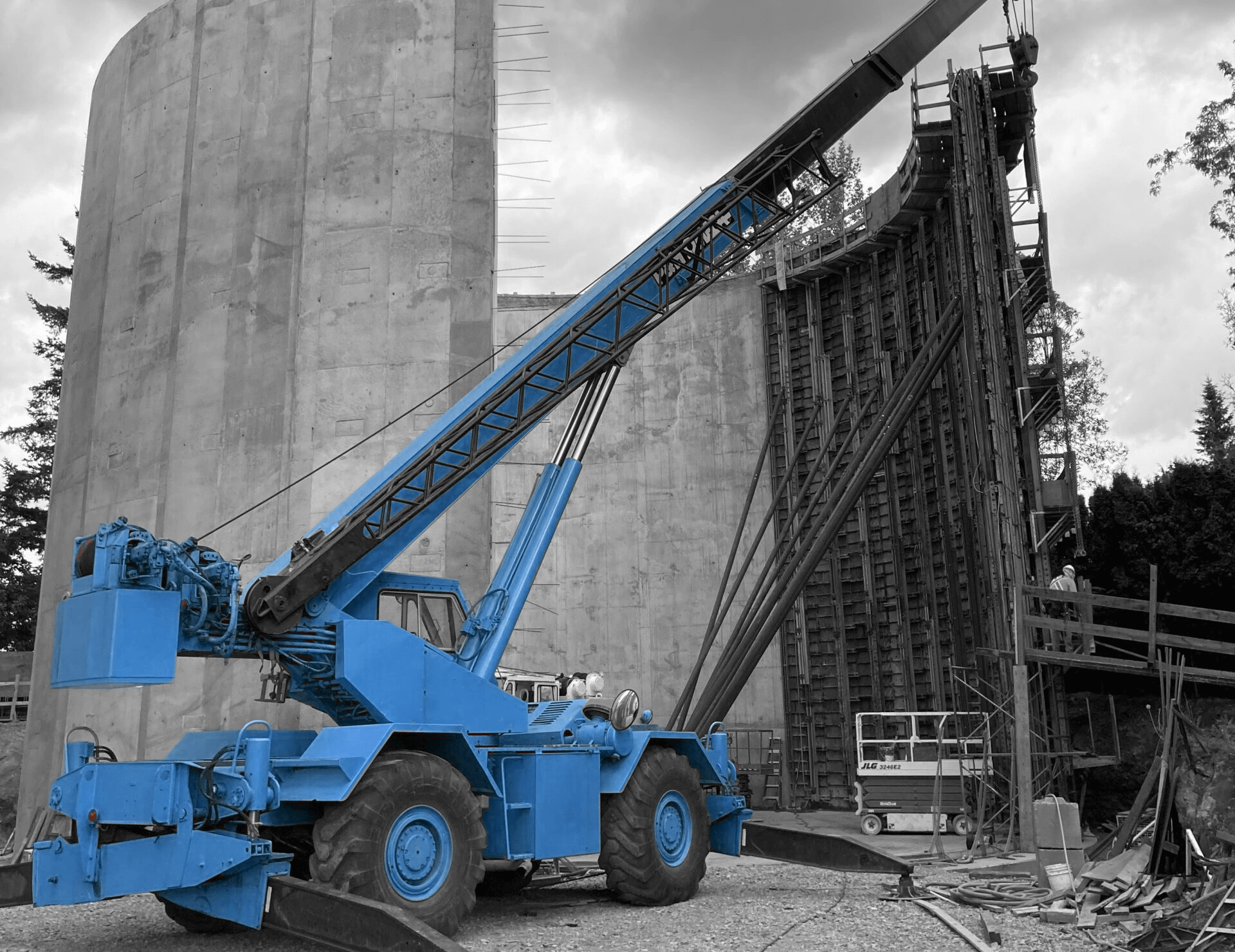
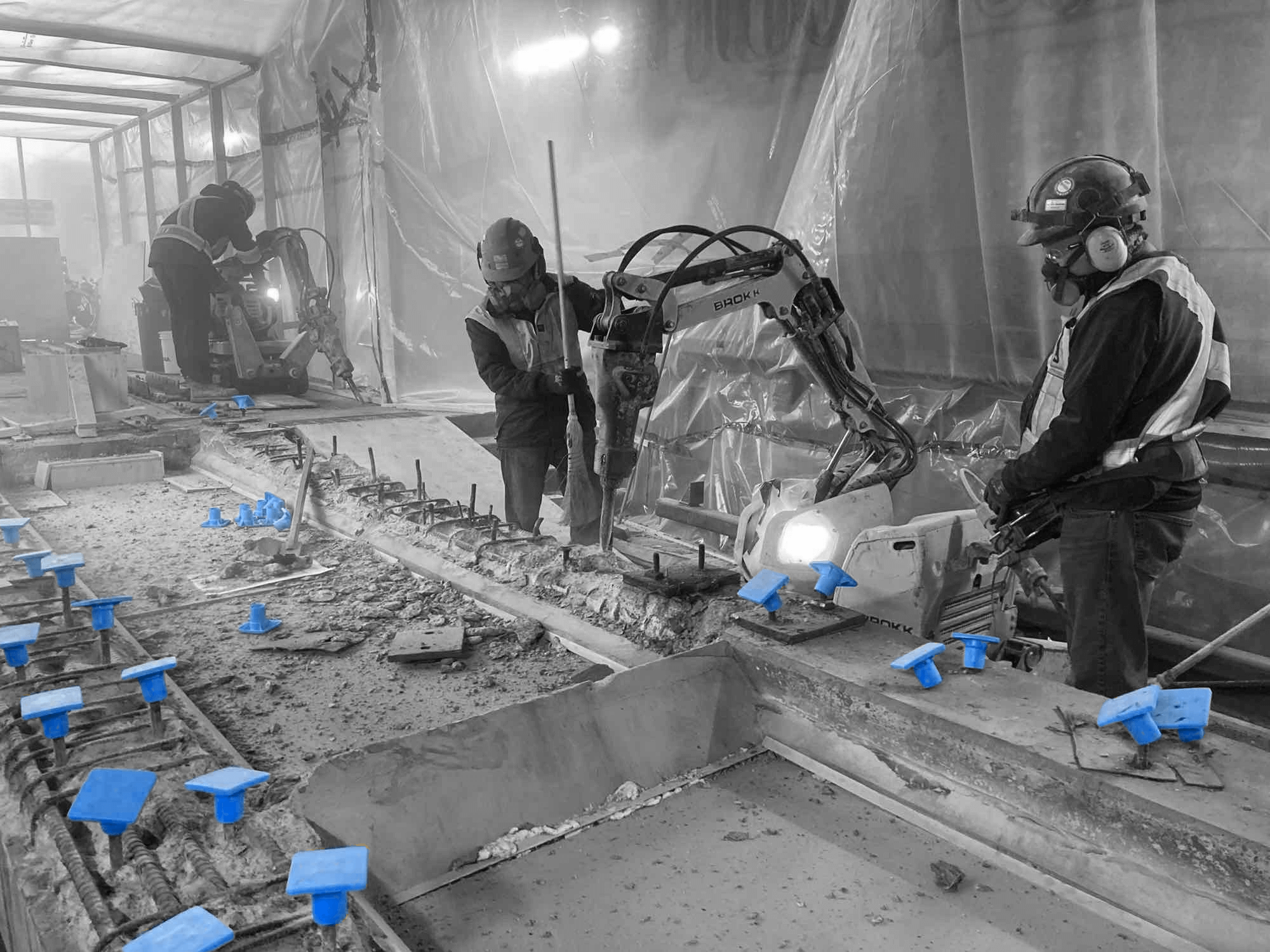
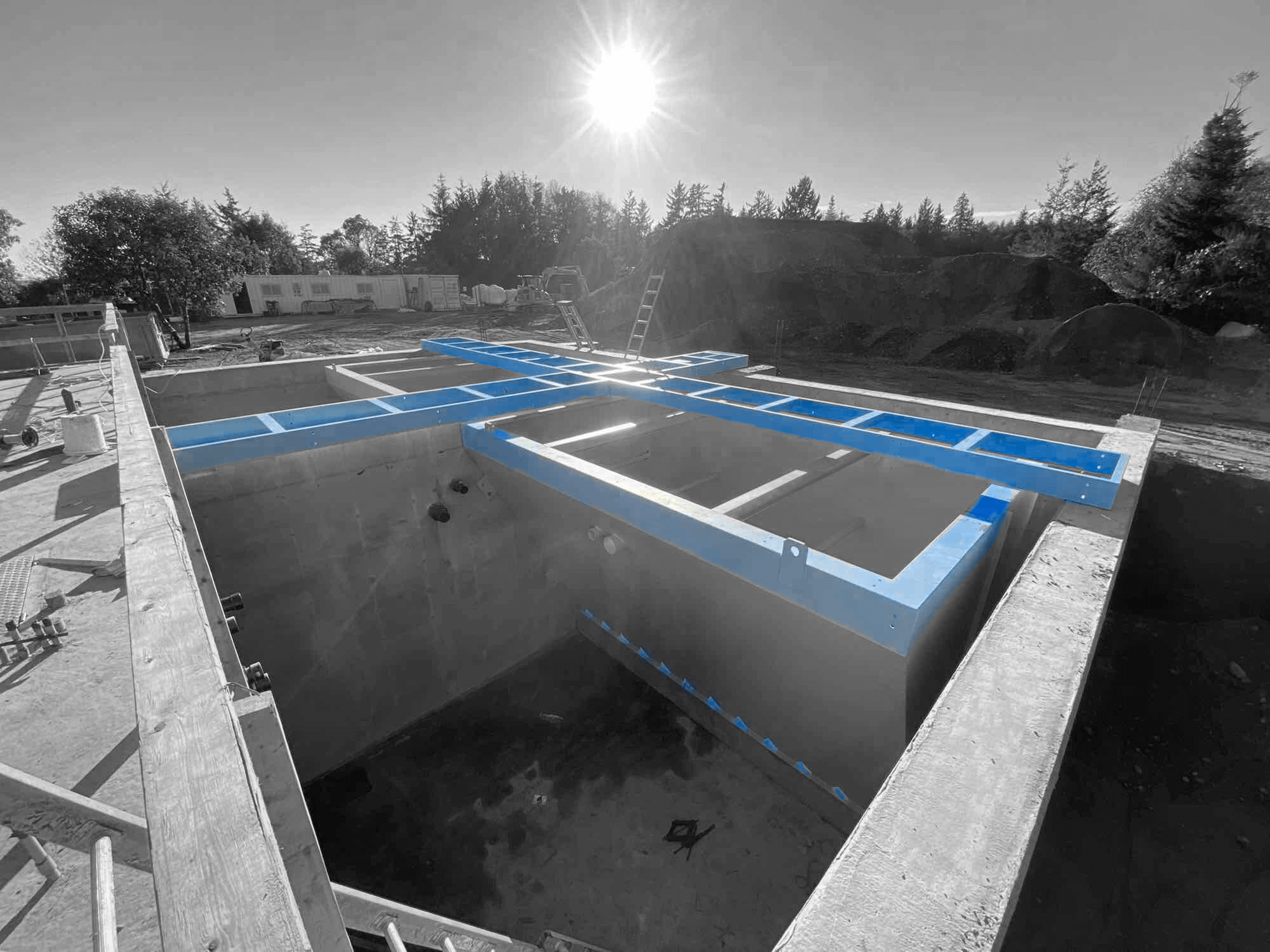
Asset performance starts with the basics. Subgrade preparation, compaction, excavation support, concrete placement, reinforcing installation, anchor bolt layout, and curing practices all influence long-term stability and durability.
For infrastructure owners, civil deficiencies are especially costly because they are difficult to access and expensive to correct after commissioning. That is why early verification matters just as much as final turnover.
Process Mechanical Installation
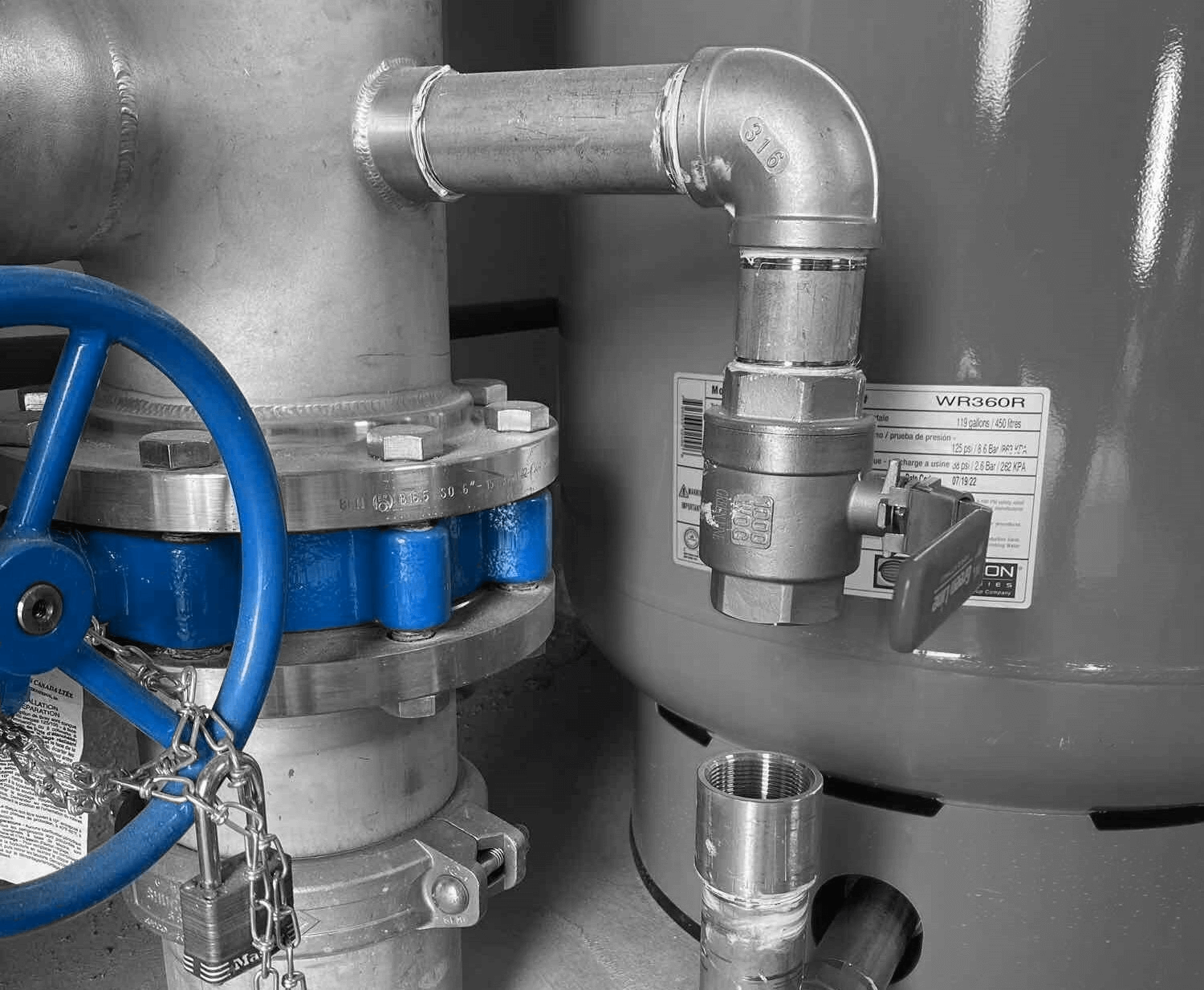
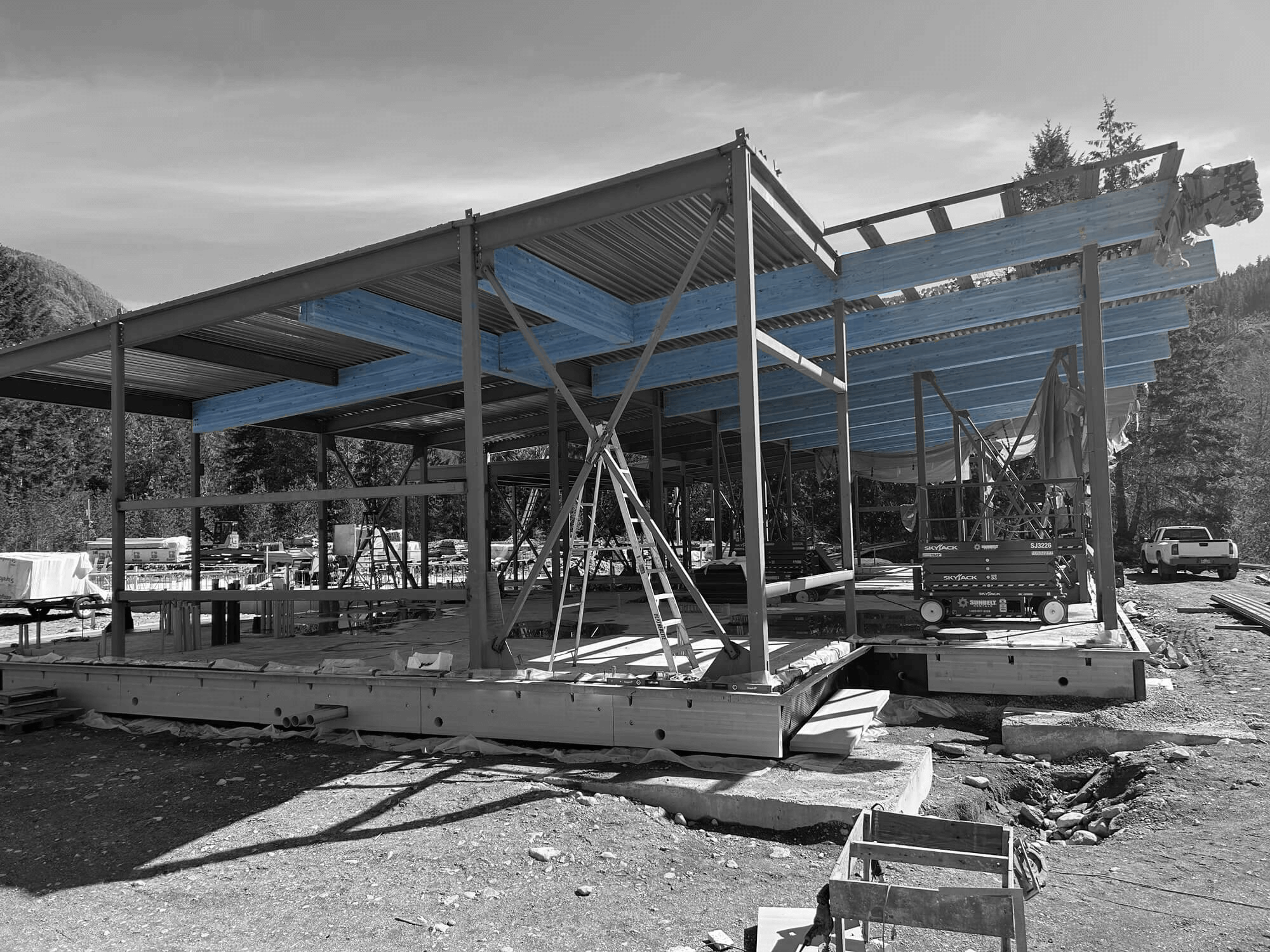
In water, wastewater, and industrial facilities, process mechanical quality directly affects operational performance. Tolerances, support spacing, alignment, welding quality, pressure testing, material traceability, and installation sequencing all influence reliability.
This is especially important on projects involving process mechanical services and municipal process mechanical upgrades, where new work must often integrate with active systems and aging infrastructure.
Coatings, Corrosion Protection, and Environmental Exposure
Many assets fail early not because the design was wrong, but because protective systems were applied inconsistently or installed under poor site conditions. Surface preparation, environmental controls, cure times, and inspection hold points are all critical to long-term durability.
Documentation and Turnover
An asset is more valuable when owners receive complete turnover packages, inspection records, test results, deficiencies closed out, and accurate as-builts. Good documentation supports preventive maintenance, future upgrades, warranty management, and operator confidence.
Quality Control Works Best When Engineering and Construction Are Aligned
One of the biggest factors in long-term performance is how well construction teams understand the design intent behind the work. When engineering and field execution are disconnected, quality issues are more likely to slip through in the form of constructability gaps, late changes, or inconsistent decisions.
That is why integrated delivery matters. Our approach to in-house engineering on complex design-build projects helps keep design, procurement, construction, and quality working from the same set of priorities. It improves review cycles, speeds up issue resolution, and helps ensure that site decisions support long-term performance, not just short-term progress.
For owners, that alignment matters most on projects with:
- Existing facility tie-ins
- Tight shutdown windows
- Remote or weather-sensitive logistics
- Multi-discipline coordination
- Strict environmental or regulatory requirements
Safety and Quality Support Each Other
At Industra, safety is priority one, and safety performance is closely tied to workmanship quality. Crews who plan tasks carefully, control hazards, maintain clean work areas, and follow disciplined procedures are better positioned to deliver accurate, durable work.
Our Zero Harm 365 safety approach supports better quality because it reduces rushed decisions, unmanaged risks, and uncontrolled site conditions. The connection is clear in our perspective on why safety performance is a leading indicator of project success.
When safety and quality are treated as separate programs, important gaps can emerge. When they are integrated, teams tend to produce better outcomes for both people and assets.
What Owners Should Look For in a Quality-Driven Contractor
Not all quality programs deliver the same value. Owners should look beyond general statements and ask how quality is managed in practice.
Key indicators include:
- Clear inspection and test plans tied to the scope
- Defined hold points for critical work
- Strong field supervision and trade coordination
- Material verification and traceability
- Timely deficiency management
- Accurate turnover records and as-builts
- Integration between engineering, safety, and construction teams
This is particularly important in water and wastewater treatment projects, where long-term performance affects public service, compliance, and operating cost.
Building for Performance, Not Just Completion
Construction quality control is not about paperwork for its own sake. It is about protecting the long-term value of essential infrastructure.
Owners deserve assets that perform reliably under real operating conditions, in real Canadian environments, over real service lives. That only happens when quality is addressed at every step, from planning and procurement to installation, testing, and turnover.
At Industra, quality at every step is part of how we deliver client-focused, performance-driven construction. Whether the project involves municipal utilities, industrial systems, institutional infrastructure, or remote community work, our goal is the same: build it right, document it properly, and support long-term asset performance from day one.
If you are planning a project and want a partner focused on lifecycle value, integrated delivery, and disciplined execution, contact Industra to discuss your next EPC, design-build, or construction opportunity.