Across Canada, infrastructure projects are becoming more complex. Municipal growth, climate pressures, aging assets, tighter environmental regulations, and construction in remote or sensitive environments all demand more from project teams. For owners delivering water and wastewater facilities, industrial upgrades, institutional buildings, or infrastructure in northern and remote communities, traditional delivery models often struggle to keep pace with these realities.
Design-build has emerged as a preferred delivery method for managing complexity, risk, and accountability. But not all design-build teams are structured the same. One of the most important differentiators in successful outcomes is whether engineering is truly integrated in-house or treated as a separate, external function.
In-house engineering is not about control for its own sake. It is about alignment. On complex design-build projects, alignment between design intent, construction reality, safety planning, quality management, and logistics execution is what determines whether a project succeeds or struggles.
For owners considering an EPC or design-build approach, understanding why in-house engineering matters can make the difference between a coordinated, resilient project and one burdened by rework, delays, and avoidable risk.
The Reality of Complexity in Modern Infrastructure Projects
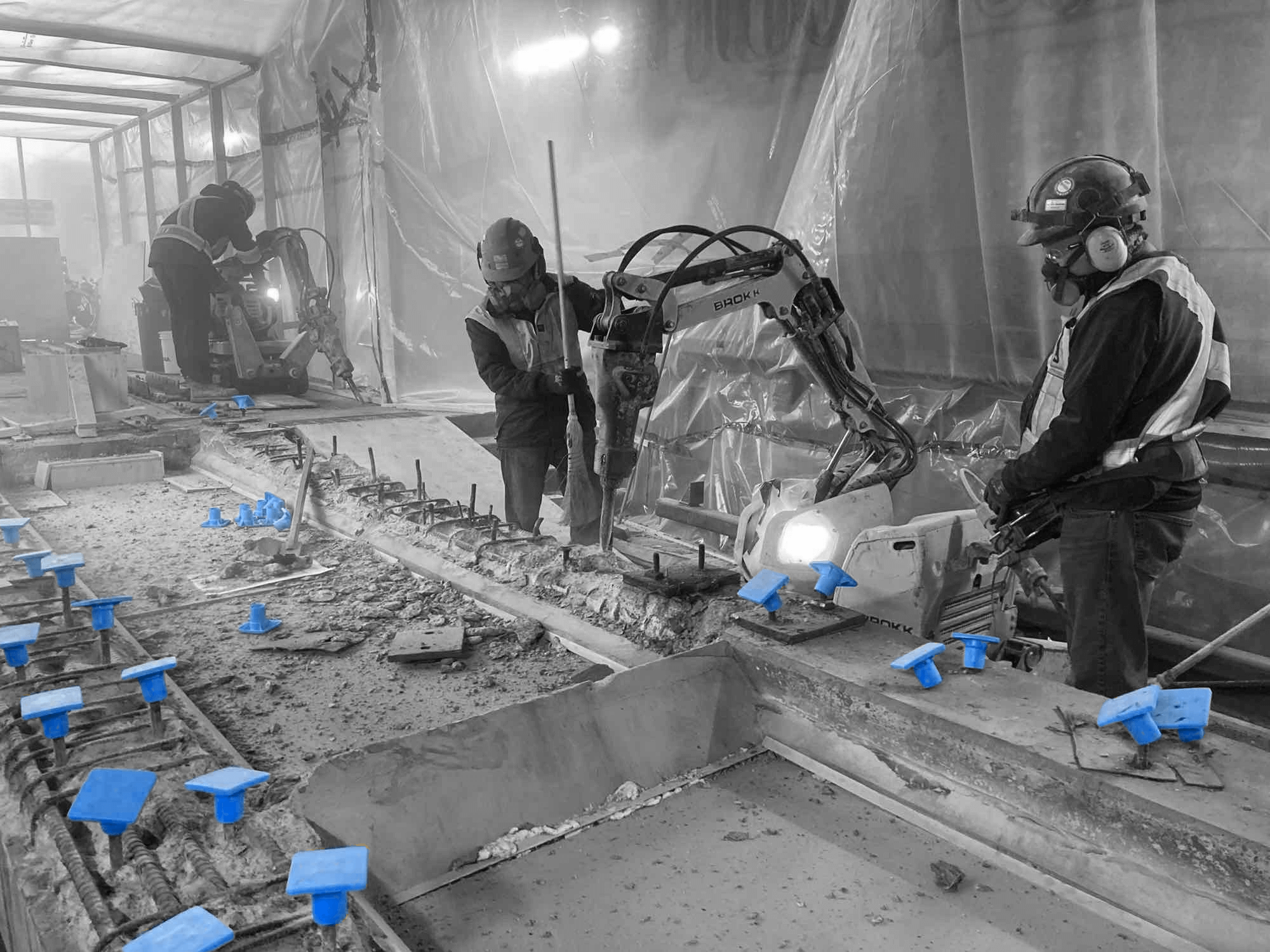
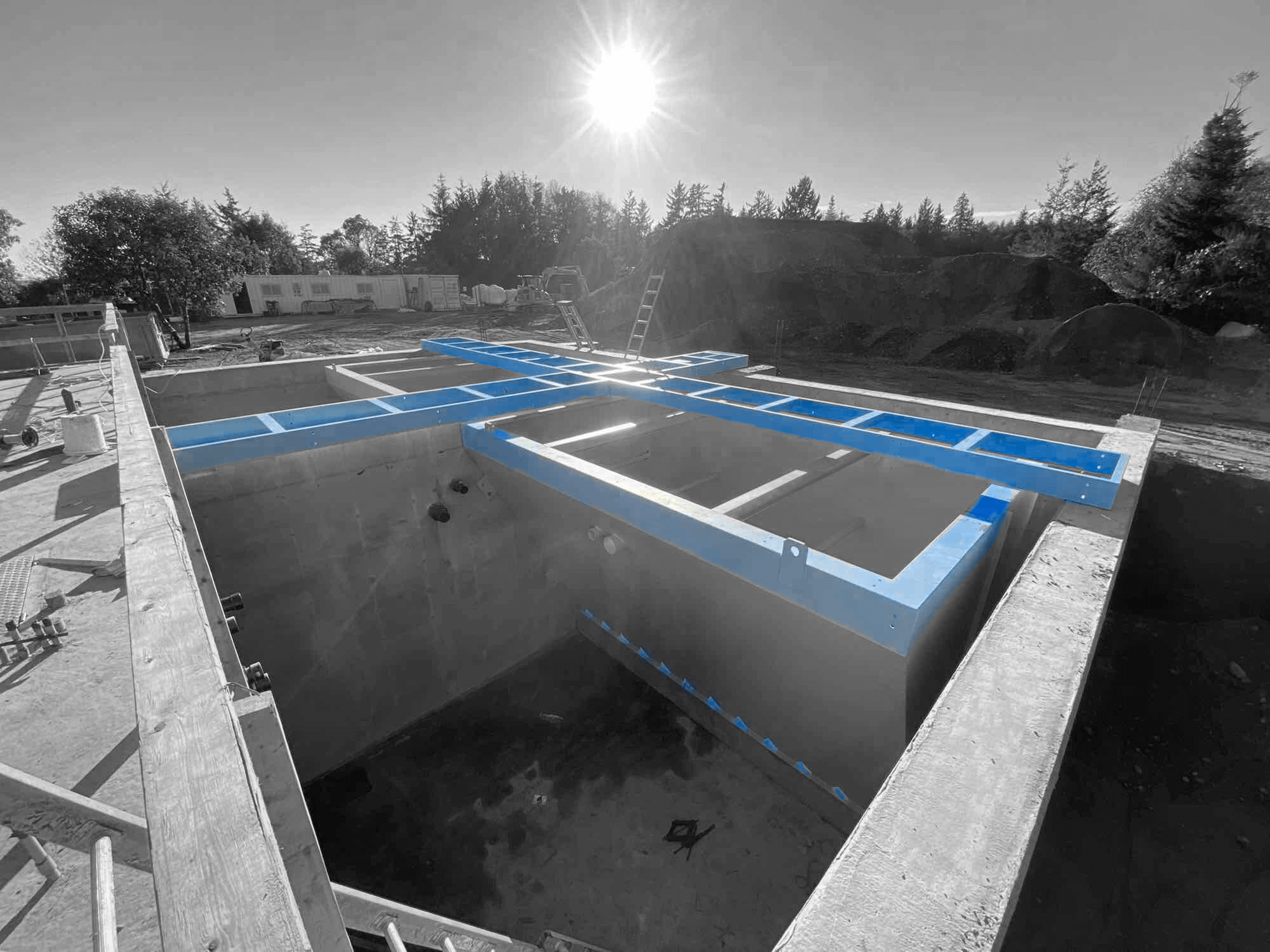
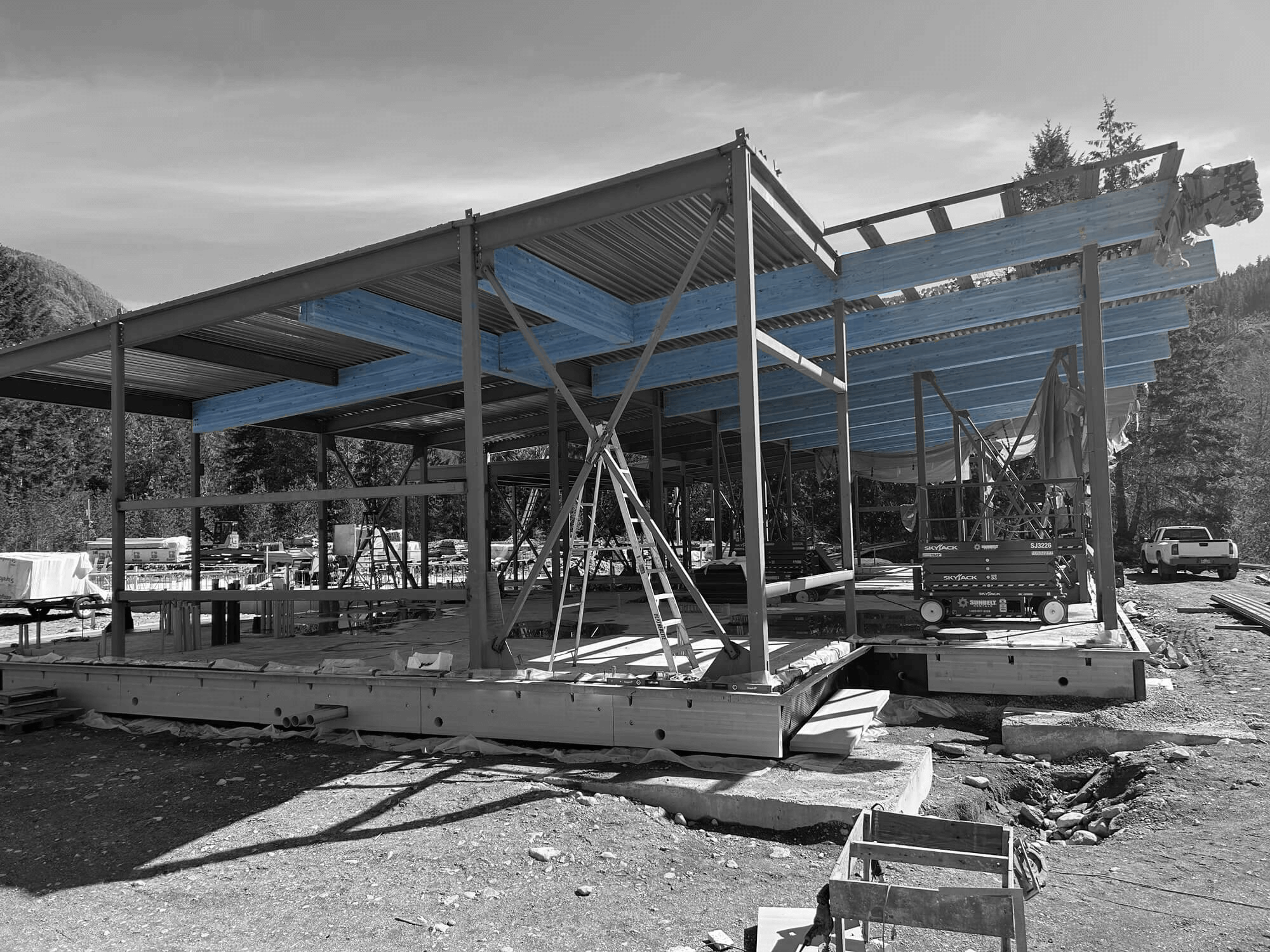
Complex infrastructure projects are no longer the exception. They are the norm.
Across Western and Central Canada, many projects involve:
- Live system tie-ins to existing water or wastewater facilities
- Construction in environmentally sensitive areas or active waterways
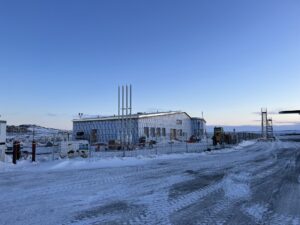
- Remote or northern logistics requiring seasonal access planning
- Multi-discipline process mechanical and electrical integration
- Tight regulatory oversight and public accountability
- Coordination with First Nations governments and community stakeholders
These realities are explored in previous Industra blogs such as Why Water and Wastewater Projects Deserve a Design-Build Approach and Delivering Infrastructure Projects in Environmentally Sensitive Areas. In each case, success depends on decisions made early in design that directly impact constructability, safety, environmental protection, and long-term performance.
When engineering is external and disconnected from construction execution, those decisions are often made without full visibility into field conditions, logistics constraints, or sequencing risks.
In-house engineering closes that gap.
What “In-House Engineering” Really Means in Design-Build
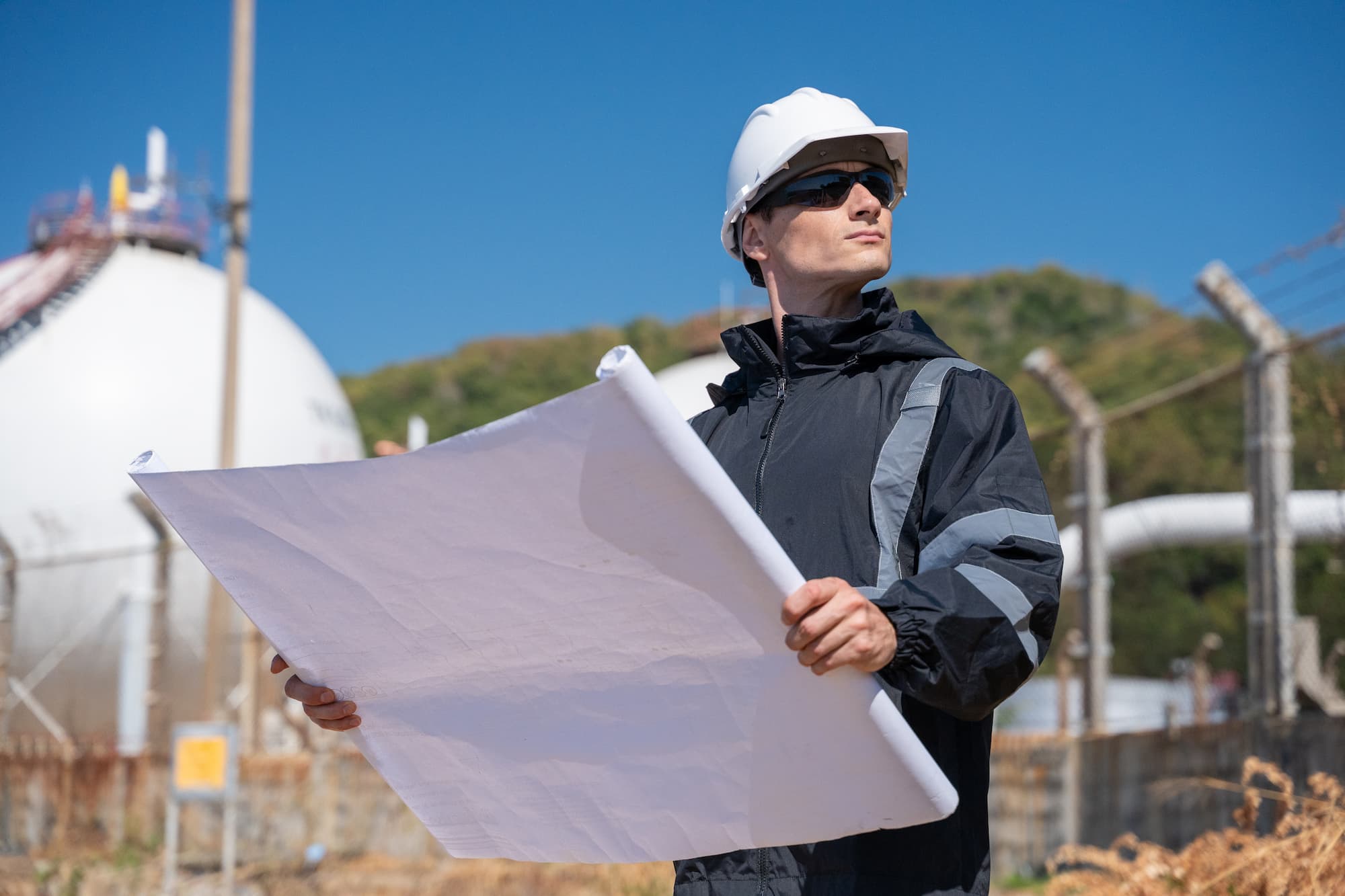
In-house engineering does not mean working in isolation from consultants or regulators. It means that core engineering functions are embedded within the design-build contractor’s organization and work directly alongside construction, safety, quality, and project management teams from day one.
This integration allows engineering to be:
- Directly accountable for constructability
- Continuously informed by field conditions
- Closely aligned with safety and quality systems
- Responsive to schedule and procurement realities
Rather than handing designs over the wall, in-house engineers remain engaged throughout procurement, construction, commissioning, and close-out.
This model supports the single-point accountability that owners expect from a design-build contractor, as discussed in Best Practices for EPC Design-Build in Complex Projects.
Constructability Starts at the Design Table
One of the most tangible benefits of in-house engineering is improved constructability.
Constructability is not just about whether something can be built. It is about whether it can be built safely, efficiently, and reliably within real-world constraints.
When engineers work daily with superintendents, project managers, and self-perform crews, designs are shaped by practical insight such as:
- Access and lifting requirements
- Temporary works needs
- Sequencing and phasing constraints
- Material availability and lead times
- Site-specific safety hazards
This collaboration reduces the likelihood of late design changes, RFIs, and field modifications that drive cost and schedule uncertainty.
Industra has addressed the consequences of poor early planning in blogs like Why Quality Planning Matters More Than Speed in Government-Funded Projects. In-house engineering strengthens planning by ensuring designs are grounded in execution reality from the outset.
Safety Is Engineered, Not Added Later
Safety is not something that can be layered onto a project after design is complete. On complex infrastructure projects, many of the highest-risk activities are directly influenced by engineering decisions.
Examples include:
- Confined space access and layout
- Fall protection requirements
- Temporary support systems
- Heavy lift planning
- Process isolation and tie-in strategies
With in-house engineering, safety considerations are embedded into design development. Engineers participate in hazard identification, constructability reviews, and task planning in alignment with Zero Harm 365 principles.
This approach reinforces themes explored in Why Safety Performance Is a Leading Indicator of Project Success.
When engineers and construction teams share responsibility for outcomes, safety becomes a shared design objective, not just a field requirement.
Quality Control Is Stronger When Design and Construction Align
Quality issues on infrastructure projects often stem from disconnects between design intent and construction execution. When engineering is external, feedback loops are slower, and accountability is diluted.
In-house engineering supports quality by:
- Ensuring design details reflect realistic installation tolerances
- Supporting inspection and testing plans during construction
- Addressing non-conformances quickly and collaboratively
Supporting commissioning and performance verification
Quality is not just about meeting specifications. It is about delivering assets that perform reliably for decades. In-house engineering keeps designers invested in long-term outcomes, not just design deliverables.
Faster, Smarter Decision-Making in the Field
Complex projects require constant decision-making. Unexpected conditions, supply chain disruptions, or regulatory clarifications are part of construction reality.
When engineering support is internal, responses are faster and more informed. Engineers are accessible to the project team and understand both the technical implications and construction impacts of proposed changes.
This reduces:
- Delays caused by waiting for external approvals
- Miscommunication between design and construction
- Risk of unintended downstream impacts
This responsiveness is especially critical on remote and northern projects, where access windows are limited and delays can have cascading effects.
Better Integration with Procurement and Supply Chains
Engineering decisions directly influence procurement strategy. Material specifications, equipment selections, and fabrication requirements all affect cost, lead time, and logistics.
In-house engineering enables tighter coordination with procurement teams by:
- Selecting materials aligned with regional availability
- Supporting early equipment procurement
- Designing around realistic delivery constraints
- Coordinating shop drawings and fabrication sequencing
For projects in remote or northern regions, this integration is essential. Logistics planning is not a downstream task.
Supporting Effective Collaboration with First Nations and Communities
Infrastructure projects often intersect with Indigenous lands, rights, and community priorities. Meaningful engagement requires transparency, flexibility, and technical clarity.
In-house engineers play an important role by:
- Participating in technical discussions with community representatives
- Supporting adaptive design solutions that respect local conditions
- Responding quickly to community-driven changes or concerns
Improved Commissioning and Long-Term Performance
The value of in-house engineering extends beyond construction completion. Engineers who remain involved through commissioning and start-up have deep knowledge of system intent and installation details.
This supports:
- Smoother commissioning processes
- Faster resolution of performance issues
- Better documentation and training for operators
Single-Source Accountability in Practice
Design-build is often described as offering single-source accountability. In-house engineering makes that accountability real.
When design, construction, safety, quality, and logistics are integrated within one organization, there is no ambiguity about responsibility. Challenges are solved collaboratively rather than shifted between parties.
This clarity is especially important for public owners accountable to communities, regulators, and funding agencies.
When In-House Engineering Makes the Biggest Difference
While in-house engineering adds value on most design-build projects, it is especially critical when projects involve:
- Complex process mechanical systems
- Live system upgrades
- Remote or seasonal access constraints
- Environmentally sensitive construction zones
- Multi-stakeholder governance environments
These are precisely the types of projects where Industra focuses its expertise across water and wastewater, industrial, environmental, institutional, and remote infrastructure markets.
Choosing the Right Design-Build Partner
For owners evaluating design-build contractors, asking whether engineering is in-house is not enough. The more important questions are:
- How closely do engineers work with construction teams?
- Are engineers involved throughout the full project lifecycle?
- How does engineering integrate with safety and quality systems?
- Is engineering aligned with self-perform construction capabilities?
The answers to these questions reveal how a contractor manages risk, accountability, and performance on complex projects.
Conclusion
In-house engineering is not just an organizational structure. It is a delivery philosophy that prioritizes alignment, accountability, and long-term value.
On complex design-build projects, where safety, quality, logistics, and performance are inseparable, in-house engineering provides the foundation for better decisions, fewer surprises, and more resilient infrastructure.
If you are planning a complex infrastructure project and want to understand how an integrated design-build approach with in-house engineering can reduce risk and improve delivery certainty, Contact Industra’s team to support early discussions, planning, and feasibility reviews.