Across Canada, environmental expectations for infrastructure projects continue to rise. Municipalities, First Nations, industrial operators, and public agencies are all under increased scrutiny to protect land, water, wildlife, and community health while still delivering critical infrastructure on time and within budget.
Too often, environmental protection planning is treated as a box to check after concept design is complete or once construction is already underway. In reality, the most successful projects treat environmental protection as a foundational design input, not a downstream compliance task.
For design-build and EPC projects, especially those delivered in remote, northern, or environmentally sensitive regions, environmental protection planning must begin during concept design. When done early, it reduces regulatory risk, prevents costly redesign, supports meaningful community engagement, and leads to safer, more constructible infrastructure.
Environmental Protection Is No Longer a Late-Stage Exercise
Historically, many infrastructure projects followed a linear path. Engineers developed a concept. Designers finalized drawings. Environmental requirements were layered on later to satisfy permitting conditions. Construction teams were then tasked with implementing environmental controls in the field.
That approach no longer works.
Modern Canadian infrastructure projects operate in a regulatory and social environment where environmental performance is inseparable from project success. Environmental protection now affects:
- Project approvals and funding eligibility
- Schedule certainty and seasonal work windows
- Construction methods and access planning
- Community trust and long-term asset acceptance
- Operational risk over the full asset lifecycle
As discussed in Industra’s blog Delivering Infrastructure Projects in Environmentally Sensitive Areas, projects located near watercourses, wetlands, wildlife habitat, or culturally significant lands require environmental thinking from day one. Waiting until detailed design or construction increases the likelihood of conflict, redesign, and delay.
What Concept Design Really Sets in Motion
Concept design does more than define layout and capacity. It establishes the framework that governs how a project interacts with its environment for decades.
During concept design, teams make decisions that affect:
- Site selection and footprint
- Alignment of pipelines, roads, and access routes
- Construction sequencing and seasonal timing
- Temporary works locations
- Material choices and system redundancy
Once these decisions are set, changing them becomes expensive and disruptive. Environmental protection planning at the concept stage ensures that these foundational choices align with regulatory requirements and environmental realities.
This aligns with the principles outlined in Building Infrastructure That Lasts: Designing for Lifecycle Performance, Not Just Capital Cost, where early design decisions directly influence long-term environmental and operational outcomes.
Reducing Regulatory Risk Before It Becomes a Schedule Problem
Environmental permitting is one of the most common sources of schedule uncertainty in Canadian infrastructure projects. Delays often stem from incomplete environmental assessments, late identification of sensitive features, or inadequate mitigation strategies.
Early environmental planning allows project teams to:
- Identify regulated features before design is finalized
- Align concept layouts with permitting constraints
- Engage regulators with credible mitigation strategies
- Avoid last-minute design changes triggered by approvals
For government-funded projects, this proactive approach is essential. As outlined in Why Quality Planning Matters More Than Speed in Government-Funded Projects, early planning reduces the likelihood of funding delays or compliance issues tied to environmental approvals.
When environmental considerations shape the concept design, permitting becomes a confirmation exercise rather than a redesign trigger.
Supporting Meaningful Engagement With First Nations and Communities
For projects involving First Nations infrastructure or traditional territories, early environmental planning is not only a regulatory requirement but also a relationship imperative.
Meaningful engagement requires more than presenting a finished design. It involves listening, adapting, and co-developing solutions that respect land use, cultural values, and environmental stewardship.
Starting environmental protection planning during concept design allows teams to:
- Identify culturally and environmentally sensitive areas early
- Incorporate traditional knowledge into site planning
- Adjust layouts to reduce land disturbance
- Demonstrate respect and transparency from the outset
Industra’s approach to Indigenous infrastructure projects emphasizes early collaboration and planning, as highlighted on the Indigenous Affairs page of the Industra website. Environmental protection planning at the concept stage creates space for genuine dialogue rather than reactive mitigation.
Improving Constructability and Safety Outcomes
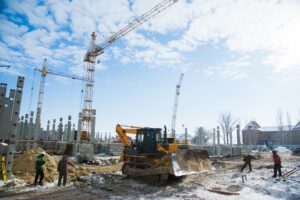
Environmental protection and construction safety are deeply connected. Poorly planned environmental controls often create unsafe working conditions, congested sites, and unplanned rework.
When environmental planning is embedded in concept design, construction teams can:
- Design access routes that avoid sensitive areas and hazards
- Plan erosion and sediment controls that integrate with site logistics
- Reduce confined or congested work zones
- Sequence work to align with environmental and safety controls
This directly supports Industra’s Zero Harm 365 philosophy. Environmental protection planning that starts during concept design reduces uncertainty in the field and supports safer execution.
Designing for Seasonal and Climatic Realities
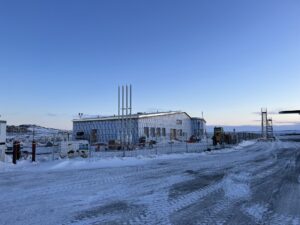
In northern, remote, or coastal regions, environmental protection planning is inseparable from climate and seasonal access.
Concept design decisions must account for:
- Freeze-up and breakup periods
- Fish windows and wildlife timing restrictions
- Spring runoff and erosion risk
- Limited material delivery windows
Waiting until construction planning to address these factors often results in compressed schedules or extended shutdowns.
Preventing Cost Escalation and Redesign
Environmental surprises are expensive.
Late discovery of wetlands, contaminated soils, or protected habitats often triggers:
- Redesign of foundations, alignments, or access
- Additional permitting and consultation
- Schedule extensions and standby costs
- Claims and contract disputes
Early environmental protection planning reduces these risks by ensuring that concept designs are informed by field data, environmental screening, and regulatory requirements.
Design-build delivery models are particularly effective in this regard. With engineering and construction teams working together from concept design, environmental risks are identified and mitigated before they impact cost and schedule.
Environmental Protection Is Part of Quality Management
Quality in infrastructure projects extends beyond structural performance. It includes environmental compliance, durability, and long-term impact.
When environmental planning begins during concept design, quality systems can:
- Define measurable environmental performance criteria
- Integrate monitoring requirements into design
- Ensure materials and methods align with environmental objectives
- Reduce non-conformance during construction
Aligning Environmental Goals With Lifecycle Performance
Environmental protection planning is not limited to construction impacts. It also influences how an asset performs over its operational life.
Concept design decisions affect:
- Energy efficiency and emissions
- Resilience to flooding and climate change
- Maintenance requirements and disturbance frequency
- Decommissioning and future upgrades
Early environmental planning supports lifecycle thinking, ensuring that infrastructure remains environmentally responsible beyond commissioning.
Why Design-Build Enables Better Environmental Outcomes
Traditional delivery models often separate environmental planning from constructability. Design-build integrates these disciplines.
With design-build, environmental specialists, engineers, and constructors collaborate during concept design to:
- Balance environmental protection with practical construction methods
- Identify opportunities for footprint reduction
- Optimize temporary works planning
- Develop realistic mitigation strategies
As discussed in Why Water and Wastewater Projects Deserve a Design-Build Approach, integrated teams reduce risk and improve outcomes. Environmental protection planning benefits significantly from this collaborative model.
What Infrastructure Owners Should Expect
Infrastructure owners should expect environmental protection planning to begin during concept design, not after.
That includes:
- Early environmental screening and constraints mapping
- Integration of environmental requirements into layout options
- Clear mitigation strategies tied to constructability
- Transparent communication with regulators and communities
- Alignment between environmental, safety, and quality plans
Contractors who defer environmental planning until later stages expose owners to unnecessary risk.
Environmental Protection Planning Is a Leadership Decision
Starting environmental protection planning during concept design is not simply a technical choice. It is a leadership decision that reflects priorities around safety, community, and long-term performance.
Projects that succeed do so because environmental protection is treated as a core design input, not an afterthought.
For owners delivering water, wastewater, industrial, environmental, or institutional infrastructure, early environmental planning protects schedules, budgets, and reputations while supporting responsible development.
A Practical Path Forward
Industra approaches environmental protection planning as part of integrated project delivery. With in-house engineering, self-perform construction capabilities, and experience in complex and sensitive environments, Industra helps clients embed environmental protection into concept design where it has the greatest impact.
If you are planning an infrastructure project and want to reduce environmental risk, improve approvals, and deliver with confidence, engaging early with an experienced design-build partner is critical. Contact Industra’s team today.