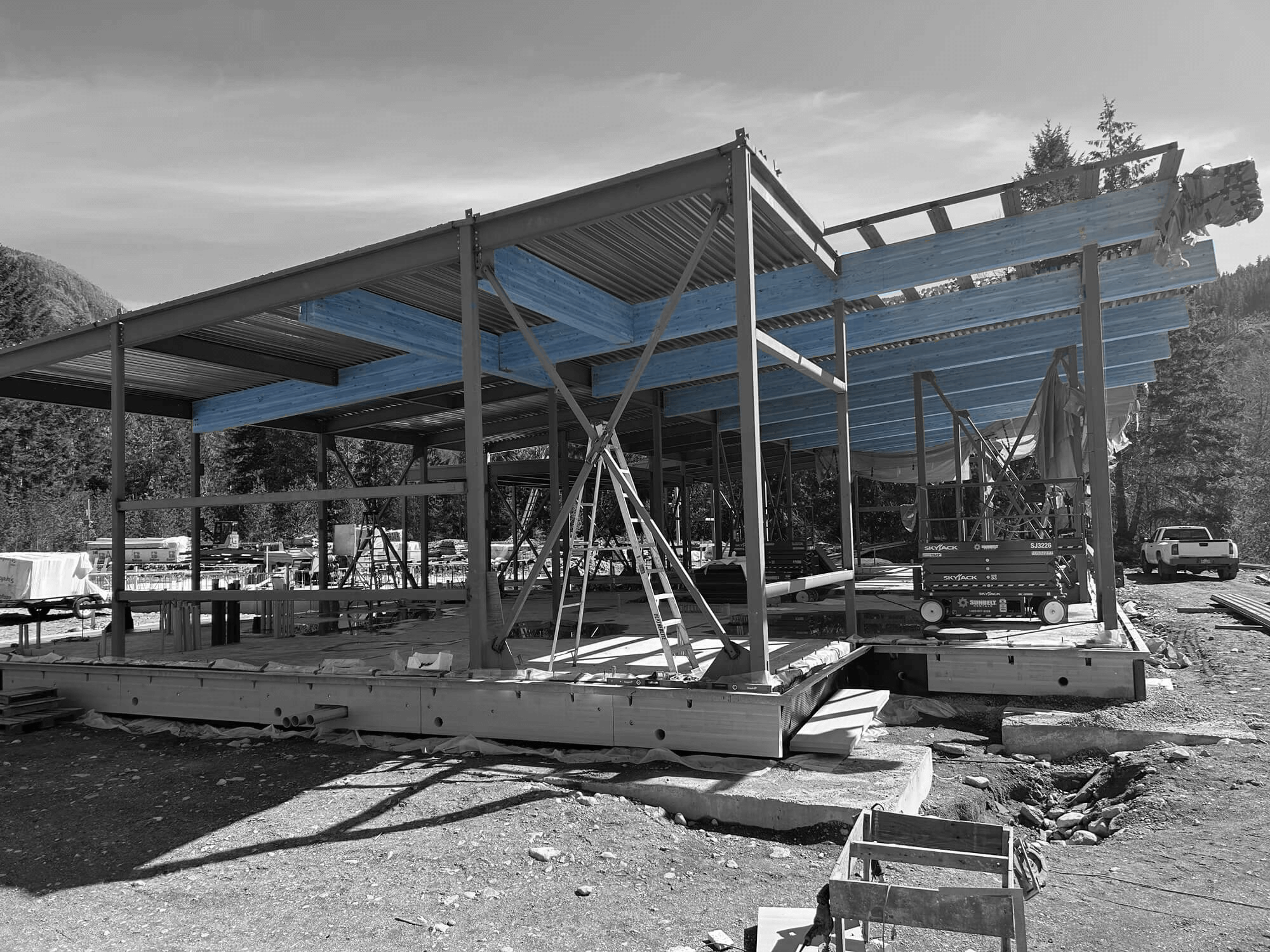
Delivering construction projects in Northern Canada is fundamentally different from building in urban or southern regions. Remote locations, extreme weather, limited access windows, and smaller local workforces mean that traditional scheduling assumptions often do not apply. In the North, a missed shipment, a weather delay, or a late design decision can quickly cascade into months of lost progress.
For municipalities, First Nations, and industrial owners, schedule certainty is not just a matter of convenience. It affects community services, environmental protection, public safety, and long-term operating costs. Successful northern construction schedules are not created in isolation. They are the result of early planning, integrated design and construction teams, realistic logistics strategies, and a strong safety culture that prioritizes people over production pressure.
As a design-build contractor working across Western and Central Canada, including fly-in and Arctic-access communities, Industra has seen firsthand what allows remote construction schedules to hold and what causes them to fail. The following sections outline the key factors that consistently drive success in northern and remote project delivery.
Understanding the Real Constraints of Northern Construction
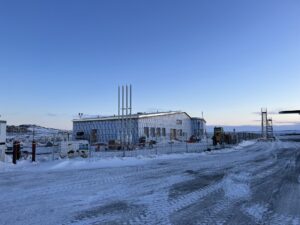
Remote construction schedules succeed when they are built around reality, not optimism. Northern Canada presents constraints that must be acknowledged early and planned for deliberately.
Limited Access Windows
Many northern projects rely on seasonal access methods, including winter ice roads, summer barging, or short marine navigation seasons. These windows are fixed and unforgiving. If materials or equipment miss the access period, they may not arrive for another year.
Successful schedules are developed backward from these access windows, not forward from a notice to proceed. This approach ensures that engineering, procurement, fabrication, and packaging are completed well in advance of mobilization. It also aligns with best practices discussed in our previous blog on Solving Infrastructure Gaps in Remote Northern Communities, where early logistics planning is emphasized as a critical success factor.
Weather and Environmental Conditions
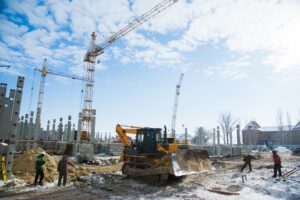
Extreme cold, high winds, freeze-thaw cycles, and limited daylight all affect productivity. Crews cannot work the same hours or at the same pace as they would in southern climates. Equipment requires winterization, concrete placement demands special controls, and weather shutdowns must be anticipated rather than treated as exceptions.
Schedules that succeed in northern environments include realistic weather allowances and contingency buffers. These are not signs of inefficiency. They are indicators of professional planning and risk management.
Early Planning Is the Foundation of Schedule Certainty
In remote construction, early planning is not optional. It is the single most important contributor to schedule success.
Front-End Engineering and Constructability
Northern projects benefit significantly from front-end engineering that considers how the work will actually be built, not just how it will appear on drawings. This includes:
- Evaluating modular and prefabricated components
- Designing for simplified installation sequences
- Reducing field welding and complex assemblies
- Planning for limited cranage and material handling capacity
Design-build delivery supports this approach by integrating engineering and construction teams from the outset. We’ve previously explored these advantages in Why Water and Wastewater Projects Deserve a Design-Build Approach, which highlights how single-source accountability improves schedule reliability on complex infrastructure projects.
Permitting and Regulatory Alignment
Environmental approvals, land access agreements, and community engagement processes often take longer in remote regions. Successful schedules account for this reality by initiating regulatory and stakeholder processes early and aligning construction sequencing with permit conditions.
When permitting timelines are underestimated, field work is forced into compressed windows, increasing safety risks and schedule pressure. Early alignment avoids this trap.
Logistics Planning Drives Schedule Outcomes
In northern construction, logistics planning is scheduling. Materials, equipment, and personnel must arrive at the right time, in the right condition, and in the right sequence.
Procurement Lead Times
Remote projects require long procurement horizons. Specialty mechanical equipment, electrical gear, and treatment components often have lead times of several months. When transportation to site is added, these timelines extend further.
Successful schedules integrate procurement milestones directly into the master schedule, rather than treating purchasing as a parallel activity.
Packaging and Shipping Strategy
Northern logistics demand disciplined packaging and labeling. Materials must be shipped in installation order, protected from weather, and documented clearly. A missing fitting or damaged component can halt progress when replacements are weeks or months away.
Experienced northern contractors develop shipping manifests that mirror construction sequences. This reduces on-site handling, minimizes rework, and supports efficient installation once crews mobilize.
Modular and Prefabricated Construction Techniques
One of the most effective tools for maintaining schedules in remote regions is off-site fabrication.
Reducing On-Site Complexity
Prefabrication allows work to be completed in controlled environments, improving quality and reducing weather-related delays. Modules can include:
- Mechanical skids
- Electrical rooms
- Pump station components
- Treatment process assemblies
By shifting labor-intensive tasks off-site, schedules become less vulnerable to weather and workforce constraints.
Improving Predictability
Modular construction improves predictability by decoupling fabrication from site conditions. While site preparation progresses, modules can be built simultaneously. This parallel work stream is a key reason design-build delivery performs well in northern environments.
Workforce Planning and Community Engagement
Remote construction schedules depend on people as much as planning.
Balancing Fly-In Crews and Local Labour
Northern communities often have limited available trades, while fly-in crews face rotation schedules and weather-related travel risks. Successful projects balance these realities by:
- Incorporating local hiring where possible
- Providing training and mentorship opportunities
- Structuring rotations to maintain continuity
This approach supports schedule stability while reinforcing community benefits.
Workforce Well-Being and Retention
Fatigue, isolation, and harsh conditions can affect morale and productivity. Schedules that push crews too hard often backfire through increased safety incidents and turnover.
A safety-first culture, aligned with Industra’s Zero Harm 365 philosophy, supports sustainable productivity. Safe, rested crews are more reliable than overextended teams working under constant schedule pressure.
Safety as a Schedule Enabler, Not a Constraint
In remote construction, safety and schedule are inseparable.
Planning Work Safely in Extreme Conditions
Cold stress, limited medical access, and environmental hazards demand proactive safety planning. Tasks must be sequenced to minimize exposure, and crews must be trained to recognize changing conditions.
Projects that treat safety planning as integral to scheduling experience fewer disruptions.
Avoiding Reactive Scheduling
When safety incidents occur, work often stops. Investigations, corrective actions, and workforce impacts can derail schedules quickly. Proactive hazard identification and daily planning reduce these risks and help projects maintain momentum.
Flexibility and Contingency Planning
No remote project proceeds exactly as planned. Successful schedules anticipate this reality.
Built-In Contingencies
Contingency time is not wasted time. It is insurance against weather events, equipment issues, or transportation delays. Northern schedules that include realistic floats are more likely to finish on time than aggressive schedules with no margin.
Adaptive Decision-Making
Remote projects require field leadership empowered to make timely decisions. When conditions change, rigid adherence to outdated schedules can create more harm than benefit. Integrated design-build teams are particularly effective in adapting quickly, as design input is immediately available.
Quality Control Protects the Schedule
Rework is one of the most common causes of schedule failure in remote construction.
Getting It Right the First Time
Limited access makes rework especially costly. Quality management systems, inspection plans, and pre-installation reviews reduce errors before they reach the field.
Industra’s focus on quality at every step supports schedule reliability, particularly in water and wastewater infrastructure where commissioning delays can have serious consequences.
Commissioning and Turnover Planning
Northern projects often have narrow commissioning windows tied to seasonal access. Successful schedules integrate commissioning requirements early, ensuring that systems, operators, and documentation are ready when construction is complete.
The Role of Integrated Project Monitoring
Remote projects benefit from disciplined progress tracking and communication.
Real-Time Visibility
Regular schedule updates, logistics tracking, and issue reporting allow teams to address problems early.
Clear Communication Channels
With teams spread across offices, fabrication facilities, and remote sites, communication must be structured and consistent. Clear reporting reduces misunderstandings and supports informed decision-making.
Why Experienced Northern Contractors Matter
Ultimately, remote construction schedules succeed when led by teams with proven northern experience.
Understanding Regional Nuances
Each region presents unique challenges, from permafrost conditions to marine access constraints. Contractors with experience in similar environments are better equipped to anticipate issues and plan accordingly.
Single-Source Accountability
Design-build and EPC delivery models reduce interface risk by placing responsibility with one team. This clarity is especially valuable in remote settings, where coordination failures are harder to recover from.
Our experience serving industrial, municipal, institutional, and First Nations clients across Western and Central Canada reflects this integrated approach.
Conclusion
Remote construction schedules in Northern Canada succeed when they are grounded in realism, supported by early planning, and executed by integrated teams that prioritize safety, quality, and community relationships. Logistics, workforce planning, and design decisions all play a role, but they must be aligned within a delivery model that recognizes the unique demands of northern environments.
For infrastructure owners, choosing partners with proven remote experience is one of the most effective ways to protect schedules and outcomes. With the right planning, northern projects can be delivered safely, efficiently, and with lasting value for the communities they serve.
If you are planning a construction project in a remote or northern location, Industra can provide design-build and EPC support grounded in real-world northern experience. Our teams work closely with owners, communities, and regulators to deliver safe, reliable infrastructure in challenging environments. We welcome early discussions to help shape realistic schedules and successful outcomes. Contact us today to begin your project.