In an ideal project lifecycle, environmental considerations are identified, assessed, and incorporated during early planning and design. In reality, many infrastructure projects across Canada encounter environmental constraints after detailed design is already complete. These discoveries can range from previously unidentified wetlands and wildlife habitat to contaminated soils, archaeological resources, or new regulatory interpretations.
For municipalities, First Nations, industrial owners, and public agencies, late-stage environmental findings can create uncertainty, schedule pressure, and budget risk. How a project team responds often determines whether the project stalls or adapts successfully.
Why Environmental Constraints Sometimes Emerge Late
Even with thorough upfront studies, not all environmental risks are visible during early design. Several factors contribute to late discovery.
Incomplete Early Access to Site Conditions
Some sites cannot be fully investigated during design due to:
- Seasonal access limitations
- Active operations at existing facilities
- Remote or fly-in-only locations
- Weather constraints that limit fieldwork windows
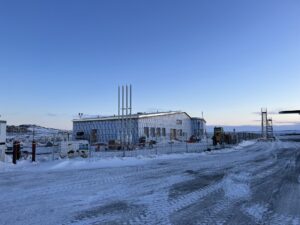
In northern and remote regions, frozen ground, snow cover, or limited daylight can delay ecological or geotechnical investigations until construction is underway.
Regulatory or Policy Changes
Environmental regulations evolve. A project designed under one regulatory interpretation may encounter new requirements by the time construction begins. Changes in fisheries protection, wetland policy, species at risk guidance, or permitting expectations can trigger reassessment.
This is particularly relevant for water, wastewater, and marine-adjacent infrastructure where federal and provincial oversight overlaps.
Discovery During Construction Activities
Certain environmental conditions only become evident once excavation, clearing, or demolition starts. Common examples include:
- Contaminated soils below assumed depths
- Unexpected groundwater conditions
- Archaeological materials uncovered during earthworks
- Previously unmapped drainage patterns or wetlands
Immediate Impacts on a Project
When environmental constraints are discovered late, the effects are often felt quickly across the project.
Schedule Disruptions
Construction activities may need to pause in affected areas until assessments are completed and approvals are obtained. In remote or northern projects with narrow construction seasons, even short delays can have outsized impacts.
Cost Implications
Late-stage environmental mitigation can introduce:
- Redesign costs
- Additional permitting and monitoring expenses
- Extended general conditions
- Modified construction methods or sequencing
Without proper planning, these costs can escalate quickly.
Safety and Compliance Risks
Environmental constraints are closely tied to worker safety and regulatory compliance. Proceeding without proper controls can expose crews to hazardous materials or result in enforcement action.
This is why experienced contractors prioritize stop-work authority, environmental protection planning, and clear communication when issues arise.
What Typically Happens After a Constraint Is Identified
While each situation is unique, most projects follow a similar response pathway.
Step 1: Immediate Stabilization and Assessment
Work is paused in the affected area while the issue is documented. Qualified environmental professionals assess the condition and define its scope. This may involve:
- Additional sampling or surveys
- Regulatory consultation
- Risk assessment for workers and the environment
A safety-first approach is essential during this stage.
Step 2: Engagement with Regulators and Stakeholders
Environmental authorities, Indigenous groups, and other stakeholders are engaged early. Transparent communication helps prevent misunderstandings and supports timely approvals.
Projects delivered in partnership with First Nations often benefit from early dialogue rooted in respect, shared stewardship, and local knowledge.
Step 3: Design Adjustments or Mitigation Planning
Depending on the constraint, the design may need to be modified. This could include:
- Rerouting utilities or access roads
- Adjusting foundation systems
- Adding containment or treatment systems
- Implementing in-stream or seasonal work windows
This is where integrated design-build teams offer significant value.
Why Design-Build and EPC Delivery Models Handle This Better
Projects delivered through traditional design-bid-build often struggle when late-stage environmental issues arise. Design changes must pass through multiple contractual boundaries, increasing time and cost.
In contrast, EPC and design-build models provide flexibility and accountability under a single team.
Integrated Engineering and Construction
With in-house engineering and self-perform construction capabilities, design-build contractors can:
- Evaluate constructability impacts in real time
- Redesign with full awareness of field conditions
- Align mitigation measures with practical construction sequencing
This reduces rework and minimizes disruption.
Single Point of Accountability
Owners avoid coordinating between designers, contractors, and environmental consultants. One team manages:
- Design revisions
- Regulatory coordination
- Construction execution
- Quality and safety controls
This approach aligns well with complex water, wastewater, environmental, and industrial infrastructure.
Proactive Environmental Protection Planning
Experienced design-build contractors integrate environmental protection plans directly into construction planning, rather than treating them as standalone documents.
This aligns closely with principles discussed in Industra’s previous articles on delivering infrastructure in environmentally sensitive areas and integrating environmental protection into active construction sites.
The Role of Safety and Quality Systems
Environmental constraints are not isolated from safety and quality. They intersect directly.
Safety First Always Applies
Unknown soils, groundwater conditions, or contaminated materials introduce new hazards. A robust safety culture ensures:
- Hazards are identified and communicated
- Crews are trained on revised procedures
- Work does not resume until controls are in place
Industra’s Zero Harm 365 philosophy reinforces that environmental compliance and worker safety go hand in hand.
Quality Management Prevents Repeat Issues
Late-stage changes increase the risk of errors if not properly controlled. Strong quality management systems ensure:
- Revised designs are reviewed and approved
- Changes are clearly communicated to the field
- Documentation meets regulatory and owner requirements
This supports long-term asset performance and public trust.
Implications for Municipalities and Public Owners
For public sector owners, environmental discoveries after design can raise concerns about accountability and funding.
Managing Public Expectations
Municipal and government-funded projects face public scrutiny. Clear communication about why changes are required and how risks are managed helps maintain confidence.
Funding and Procurement Considerations
Late-stage environmental changes can trigger:
- Change orders
- Funding re-approvals
- Schedule extensions
Design-build procurement often provides greater flexibility to manage these changes without restarting the procurement process.
Considerations for First Nations and Community-Based Projects
Environmental stewardship is deeply connected to cultural, ecological, and community values.
Respecting Indigenous Knowledge
When environmental constraints arise, Indigenous knowledge can provide insight into seasonal patterns, wildlife behavior, and historical land use that may not appear in technical studies.
Collaborative Problem Solving
Strong partnerships support collaborative mitigation strategies that balance infrastructure needs with environmental and cultural protection.
This aligns with Industra’s approach to Indigenous Affairs and long-term relationship building.
How Early Planning Can Reduce Risk, But Not Eliminate It
While no project can eliminate all risk, several practices reduce the likelihood and impact of late-stage discoveries.
Invest in Early Field Investigations
Where feasible, comprehensive environmental and geotechnical studies reduce uncertainty.
Plan for Contingencies
Schedules and budgets should include allowances for unknowns, particularly in remote, northern, or environmentally sensitive areas.
Choose Delivery Models That Adapt
Design-build and EPC delivery models are better suited to managing change without derailing projects.
Turning a Challenge Into a Managed Outcome
Discovering environmental constraints after design is complete is not a project failure. It is a reality of building infrastructure in complex Canadian environments.
The difference lies in how the project team responds.
Experienced contractors bring:
- Calm, structured decision-making
- Strong regulatory relationships
- Integrated design and construction expertise
- A safety-first, quality-driven culture
These attributes help owners move forward responsibly, even when plans need to change.
Final Thoughts
Environmental constraints discovered late can feel disruptive, but they do not have to be project-ending. With the right planning, delivery model, and construction partner, these challenges can be managed in a way that protects people, communities, and the environment.
If you are planning or delivering a project where environmental risks, regulatory uncertainty, or sensitive site conditions are a concern, Industra’s EPC and design-build teams can help assess options and develop practical, compliant solutions. Our experience delivering infrastructure across Western and Central Canada allows us to adapt responsibly when conditions change.