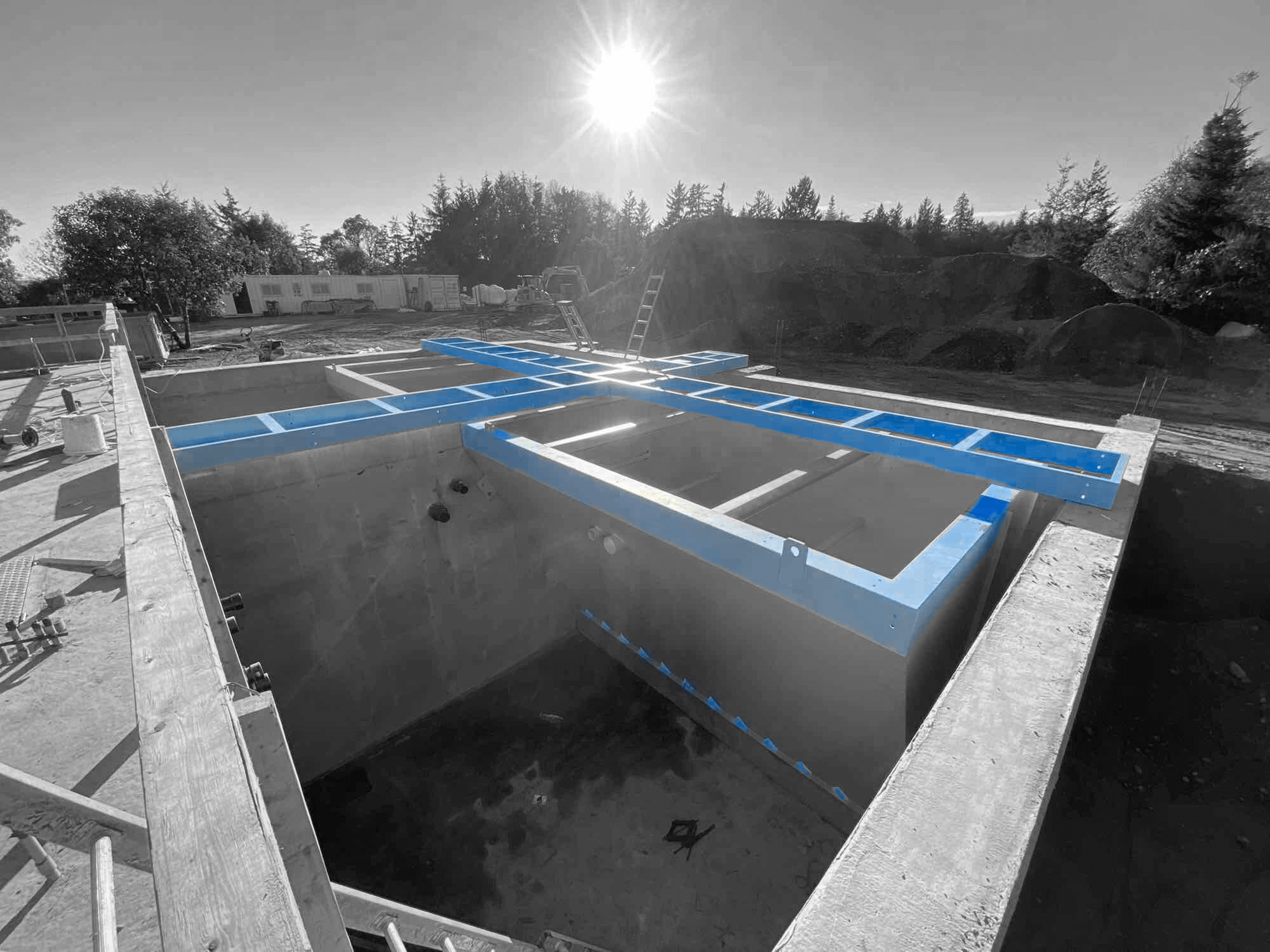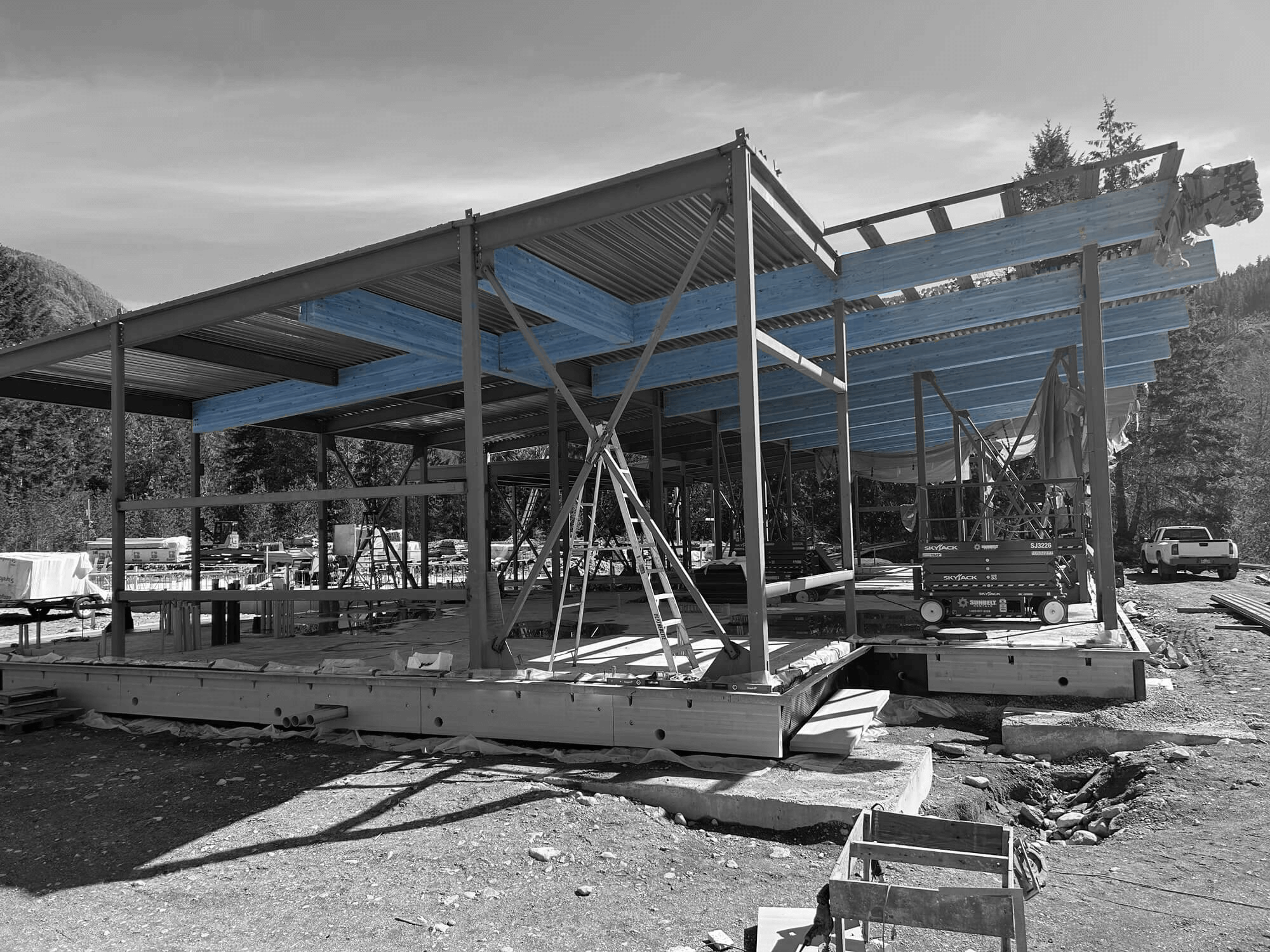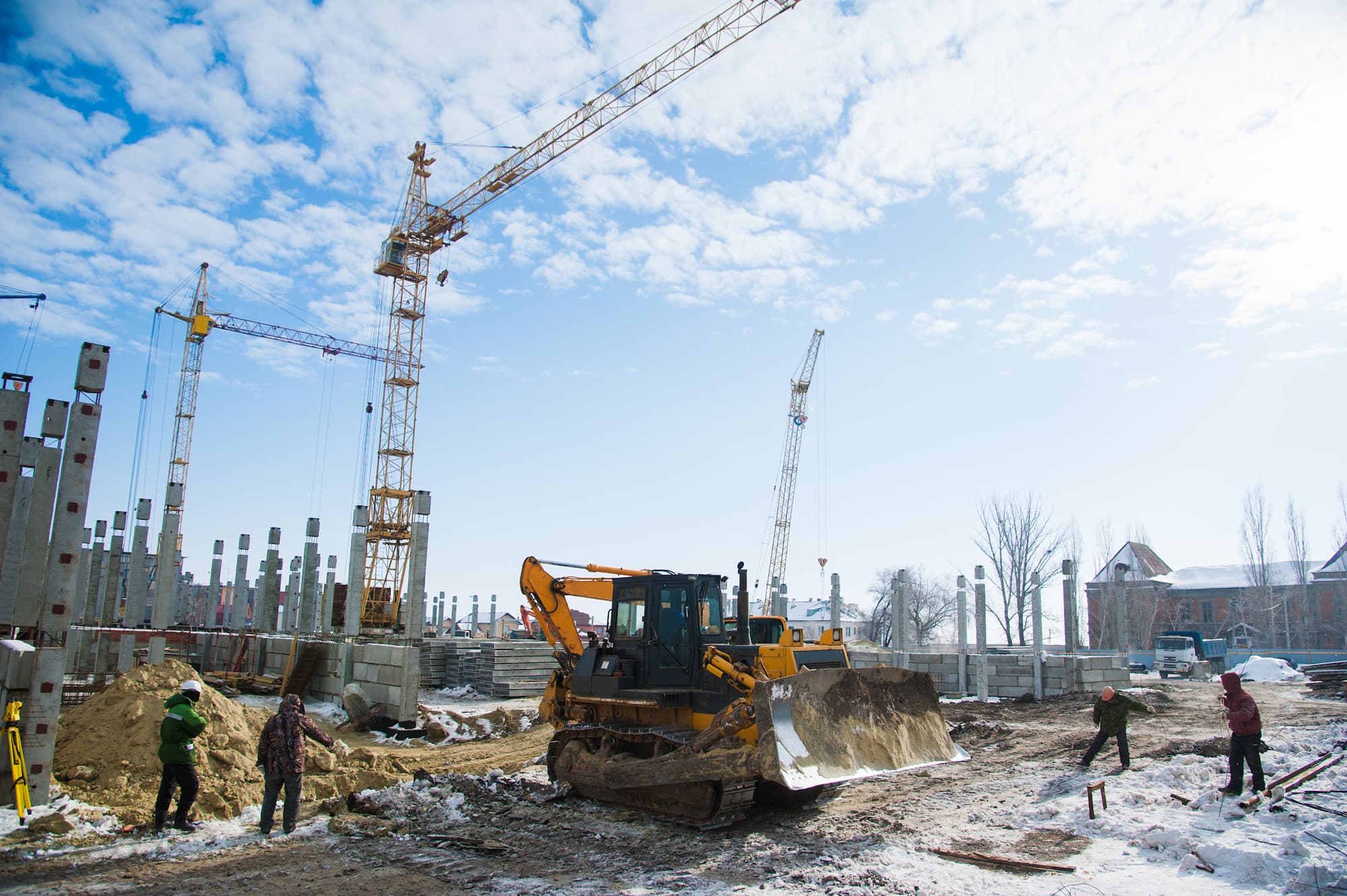
Western Canada does not stop building when temperatures drop. Municipal infrastructure still needs to be upgraded, industrial facilities still require shutdowns and tie-ins, and communities still rely on contractors to deliver critical work safely and reliably. What changes in winter is not the need for construction. What changes is the level of planning required to execute it well. Industra’s own guidance on construction planning for winter conditions in Western Canada makes it clear that successful cold-weather delivery depends on deliberate planning, disciplined execution, and a safety-first culture, not just heaters and tarps.
For owners, consultants, and project managers, winter construction planning should begin long before the first cold snap. It should shape design reviews, procurement sequencing, temporary works, staffing plans, site logistics, quality controls, and emergency preparedness. This is especially true on projects involving water, wastewater, civil, and process mechanical scopes, where weather can affect everything from excavation and concrete curing to commissioning and public service continuity. Industra’s integrated capabilities across EPC / Design-Build, Civil Construction, Process Mechanical, and Water and Wastewater Treatment support this type of coordinated project planning.
Why Winter Construction Demands a Different Planning Mindset
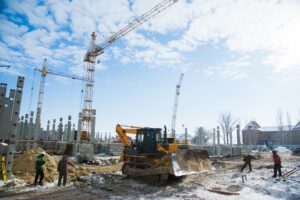
Winter conditions increase risk in ways that are easy to underestimate at each stage. Frozen ground affects excavation productivity. Snow and ice affect access, lifting, material handling, and housekeeping. Shorter daylight hours reduce installation windows. Heating and hoarding can become critical path items rather than secondary site measures. Even routine activities like surveying, welding, coating, and testing may require different procedures or additional hold points. As Industra notes in its article on winter construction planning, cold-weather construction is about engineering for conditions, planning for them, and managing them safely.
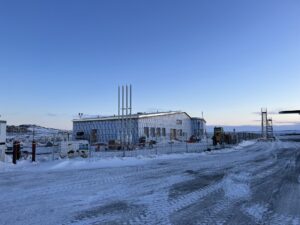
This matters across Western Canada because the region combines diverse and often challenging conditions. Coastal projects may deal with heavy rain, freeze-thaw cycling, and unstable access. Interior and prairie projects often face deep frost, wind exposure, and prolonged sub-zero temperatures. Northern and remote work adds mobilization constraints, reduced supply flexibility, and narrower seasonal delivery windows. Industra’s experience across Western and Central Canada, including remote and logistically demanding environments, makes this type of planning especially relevant.
The practical takeaway is simple. Winter planning has to start earlier, involve more disciplines, and be tied closely to risk management. That is one reason many owners benefit from integrated delivery models such as design-build, where design, procurement, and construction sequencing can be coordinated earlier under one team. Industra’s design-build approach emphasizes single-source accountability and better schedule and budget coordination, which become even more valuable when seasonal conditions can quickly affect field execution.
Start with Scope Breakdown and Weather-Sensitive Activities
A strong winter plan begins by identifying which activities are most exposed to temperature, precipitation, wind, or access disruption. On many infrastructure jobs, those activities include earthworks, underground utility installation, concrete placement, membrane and coating application, structural steel erection, mechanical tie-ins, and commissioning tasks that depend on stable environmental conditions. On live municipal or industrial sites, winter can also amplify the consequences of delay because shutdown windows may be fixed and service continuity requirements remain in place.
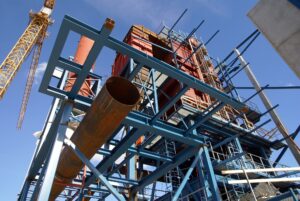
Once those weather-sensitive scopes are identified, the team can decide which should be advanced, deferred, prefabricated, enclosed, or resequenced. This is where self-perform capability and constructability planning matter. Industra’s Process Mechanical team includes in-house fabrication, installation, testing, start-up, and commissioning capability, which supports tighter sequencing and more control over field exposure. On complex winter jobs, reducing open-site work by prefabricating assemblies or adjusting installation packages can materially reduce risk.
Build the Winter Strategy Into Procurement and Logistics
Procurement mistakes are harder to recover from in winter. If heating equipment, hoarding materials, insulated enclosures, admixtures, temporary power, pumps, dewatering systems, or weather-protected storage are treated as late-stage add-ons, the project can lose momentum quickly. Winter work often requires materials and temporary systems that are not part of a summer execution plan, and they need to be budgeted, scheduled, and assigned early.
This is one reason integrated planning through Construction Management or EPC / Design-Build can improve reliability on cold-weather projects. Strong planning and coordination reduce the risk of disruptions that can be difficult and expensive to recover from once work is underway.
Remote and northern logistics raise the stakes further. Industra’s article on infrastructure gaps in remote northern communities points to supply chain vulnerability, weather disruptions, limited access, and short construction windows as major project constraints. For projects in the North or in hard-to-access regions of Western Canada, winter planning should include shipping windows, laydown constraints, backup supply strategies, fuel availability, and contingency plans for delayed deliveries. This is particularly relevant for owners planning work related to Indigenous Affairs and remote community infrastructure.
Put Safety Controls at the Center, Not the Margins
Cold weather safety is not limited to reminding crews to dress warmly. Guidance from the Canadian Centre for Occupational Health and Safety recommends layered clothing, wind protection, nearby heated shelters, work-warming schedules, buddy systems, acclimatization, and pacing work to avoid excessive sweating that can increase cold stress risk.
That guidance fits well with Industra’s Safety program, which reinforces that no job is so urgent that it cannot be done safely and that workers are empowered to stop work if conditions are unsafe. The company’s Zero Harm 365 approach also supports a planning-first mindset: stop, plan, then work. In winter, that philosophy should appear in daily hazard assessments, access and egress planning, equipment inspections, emergency response preparation, lighting plans, and clear criteria for when work must be modified or paused.
Owners should also remember that winter introduces public and environmental safety considerations. Snow storage, runoff control, slippery pedestrian interfaces, temporary traffic routing, and emergency service access all need to be managed carefully, especially on municipal and institutional sites. Industra’s Safety and Environmental Sustainability pages both reflect the need to protect workers, the public, and the environment as part of one coordinated approach.
Protect Quality When Temperature Affects Materials and Workmanship
Winter can quietly erode quality if the project team focuses only on production. Concrete is an obvious example. But concrete is only one part of the picture. Coatings, grouts, sealants, welding procedures, equipment calibration, and leak or pressure testing can all be affected by ambient conditions. Frozen or wet substrates can compromise installation quality. Temporary heat that is poorly distributed can create inconsistent results. Inspection and test plans may need extra hold points, different acceptance criteria, or revised sequencing to preserve quality through winter execution.
Industra’s Quality Assurance framework emphasizes doing the work right the first time, and its article on quality management systems in public infrastructure construction reinforces how strong quality controls reduce deficiencies, rework, and long-term asset risk.
What Work Needs Enclosure or Supplemental Heat?
If an activity depends on substrate temperature, curing, drying, or precision tolerances, it likely needs a controlled environment rather than a field workaround. That decision should be made in planning, not after crews arrive on site. Reliable execution in cold conditions depends on setting clear standards before work starts.
What Inspection Steps Need to Change?
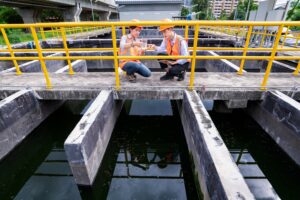
Cold-weather work often benefits from additional documentation around temperature logs, protection periods, material storage conditions, and test timing. On public infrastructure projects, that documentation supports defensibility and handover quality. Strong quality management systems help formalize these controls.
Where Can Prefabrication Reduce Exposure?
For mechanical and utility systems, off-site fabrication or preassembly can reduce field welding, fit-up issues, and weather exposure. This approach also supports better schedule certainty on municipal and industrial upgrades. Industra’s Process Mechanical capability is especially relevant here.
Account for Community, Environmental, and Operational Realities
Winter planning also needs to respect the wider project context. In communities, noise from temporary systems, site access changes, and schedule shifts can affect residents and facility users. In environmentally sensitive areas, freeze-thaw cycles, runoff pathways, and erosion risks can change how protective measures perform. Federal climate resilience resources such as the National Guide for Wildland-Urban Interface Fires and related infrastructure guidance underscore how climate and seasonal conditions can directly affect infrastructure performance and project risk.
For work with First Nations communities, northern municipalities, and remote operators, planning should also reflect local access limitations, cultural and community considerations, and the operational reality that infrastructure often serves communities with little room for service disruption. Industra’s Indigenous Affairs market focus and experience in remote project delivery support this kind of early coordination and practical planning.
Winter Construction Succeeds When Planning Is Realistic
The most successful winter projects are not the ones that assume conditions will cooperate. They are the ones that plan honestly for what Western Canada can deliver in December, January, and February. That means identifying weather-sensitive scopes early, aligning design and procurement with execution realities, strengthening safety controls, protecting quality, and building contingencies into logistics and scheduling.
Industra’s capabilities across Design-Build, Safety, Quality Assurance, and Environmental Sustainability reflect the kind of integrated planning required for cold-weather success.
For municipalities, First Nations, industrial operators, and public owners planning work through the winter season, early coordination is the difference between controlled execution and avoidable disruption. To explore how Industra approaches complex infrastructure delivery, visit the Projects page or reach out through Contact Us.