Water and wastewater construction projects are some of the most safety-sensitive jobs in the infrastructure sector. Crews often work around live utilities, confined spaces, deep excavations, active treatment processes, chemical systems, heavy lifting, and operating facilities that cannot simply shut down for the duration of construction. In many cases, the work must be completed while essential municipal services remain online.
That is why safety in this sector cannot be treated as a checklist exercise. It has to be built into planning, design coordination, procurement, sequencing, field execution, commissioning, and quality control from the very beginning. For municipalities, First Nations communities, industrial operators, and public agencies, strong safety performance is not only about protecting workers. It is also about protecting public health, maintaining service continuity, reducing project risk, and supporting better project outcomes overall.
At Industra, safety is priority one. Our Zero Harm 365 approach reflects the belief that safe projects are better-run projects. On complex water infrastructure work, that means detailed pre-construction planning, clear hazard controls, disciplined site supervision, and close coordination between engineering, construction, and operations teams. It also means aligning safety with quality, environmental protection, and reliable delivery across every phase of the job. This approach is consistent with Industra’s brand guidance, which emphasizes a safety-first, technically grounded, and solutions-oriented voice for infrastructure content.
Why Water and Wastewater Projects Require a Different Safety Mindset
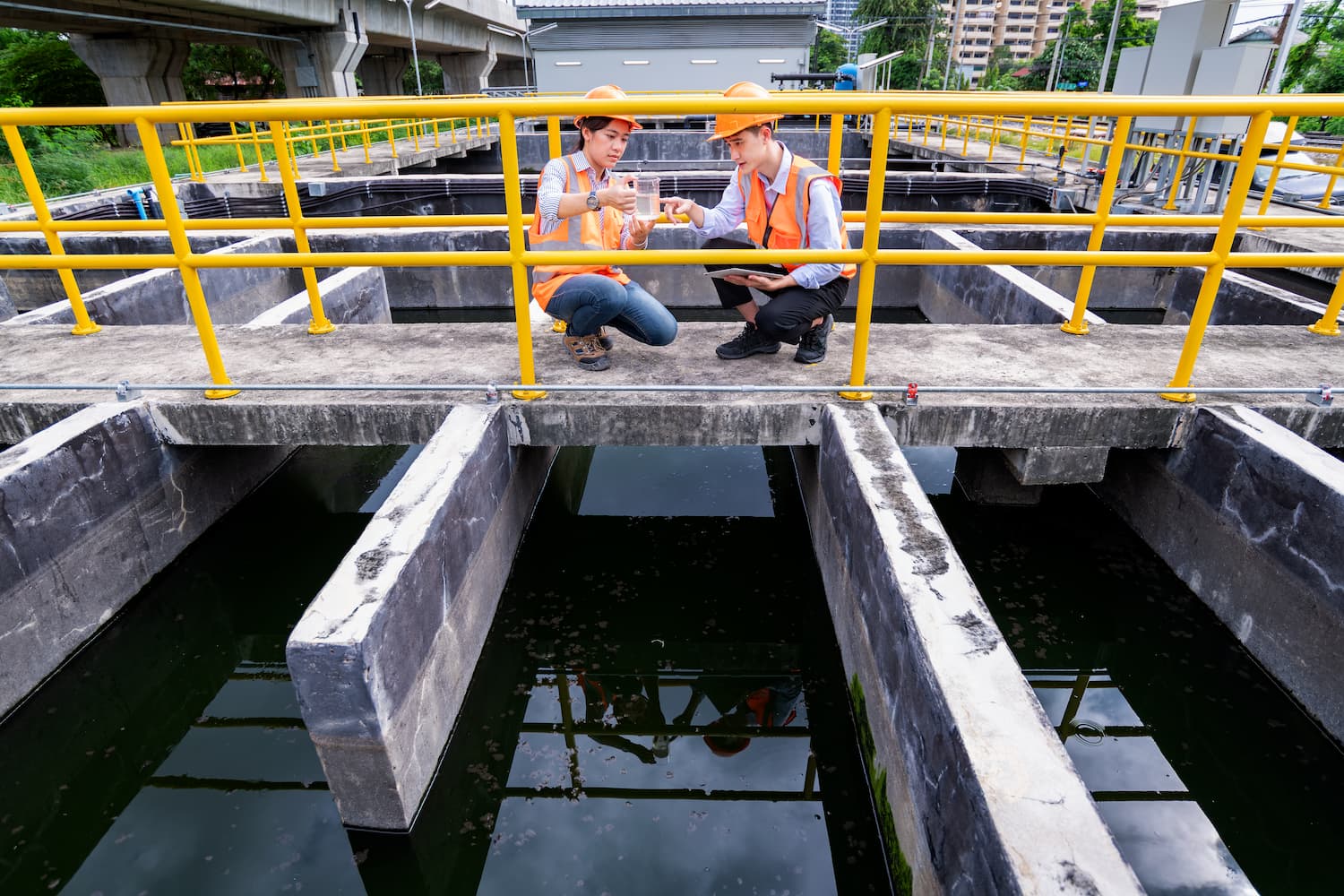
Water and wastewater work presents a distinct risk profile compared with many other forms of construction. These projects are often performed inside active plants, pump stations, reservoirs, lift stations, and underground utility corridors where operational constraints shape every construction decision. A contractor may be installing new process piping while adjacent systems remain live, upgrading electrical equipment inside a functioning building, or completing tie-ins during short shutdown windows.
This is one reason many owners value integrated delivery models. A coordinated EPC design-build approach helps connect constructability, sequencing, and hazard identification earlier in the project lifecycle. It also supports single-source accountability when managing interfaces between civil, structural, mechanical, electrical, instrumentation, and commissioning scopes.
For owners planning system upgrades, there is also value in understanding how construction and operations overlap. Our related article, Why Water and Wastewater Projects Deserve a Design-Build Approach, explains how integrated teams help reduce risk and improve delivery certainty on complex municipal infrastructure work.
Hazard Identification Must Start Before Construction Begins
The safest water and wastewater projects begin long before crews mobilize to site. Early hazard identification should cover not only site conditions, but also how the facility operates, where the public may be affected, what systems must stay online, and which activities create the highest consequence risks.
Key pre-construction safety considerations typically include:
- live utility conflicts
- confined space exposure
- excavation and trench stability
- hazardous energy sources
- chemical storage and handling areas
- lifting and rigging constraints
- traffic and public interface risks
- bypass pumping or temporary service conditions
- access limitations inside active facilities
- weather and seasonal construction constraints
On complex projects, these issues should be reviewed jointly by the owner, consultants, operators, engineers, superintendents, and trade leads. When that review happens early, teams can adjust layouts, refine sequencing, and eliminate avoidable hazards before they reach the field.
This is closely tied to the value of in-house coordination. Our post on Why In-House Engineering Matters on Complex Design-Build Projects speaks to how earlier collaboration improves decision-making on technically demanding infrastructure work.
Active Facility Work Requires Strict Isolation and Shutdown Planning
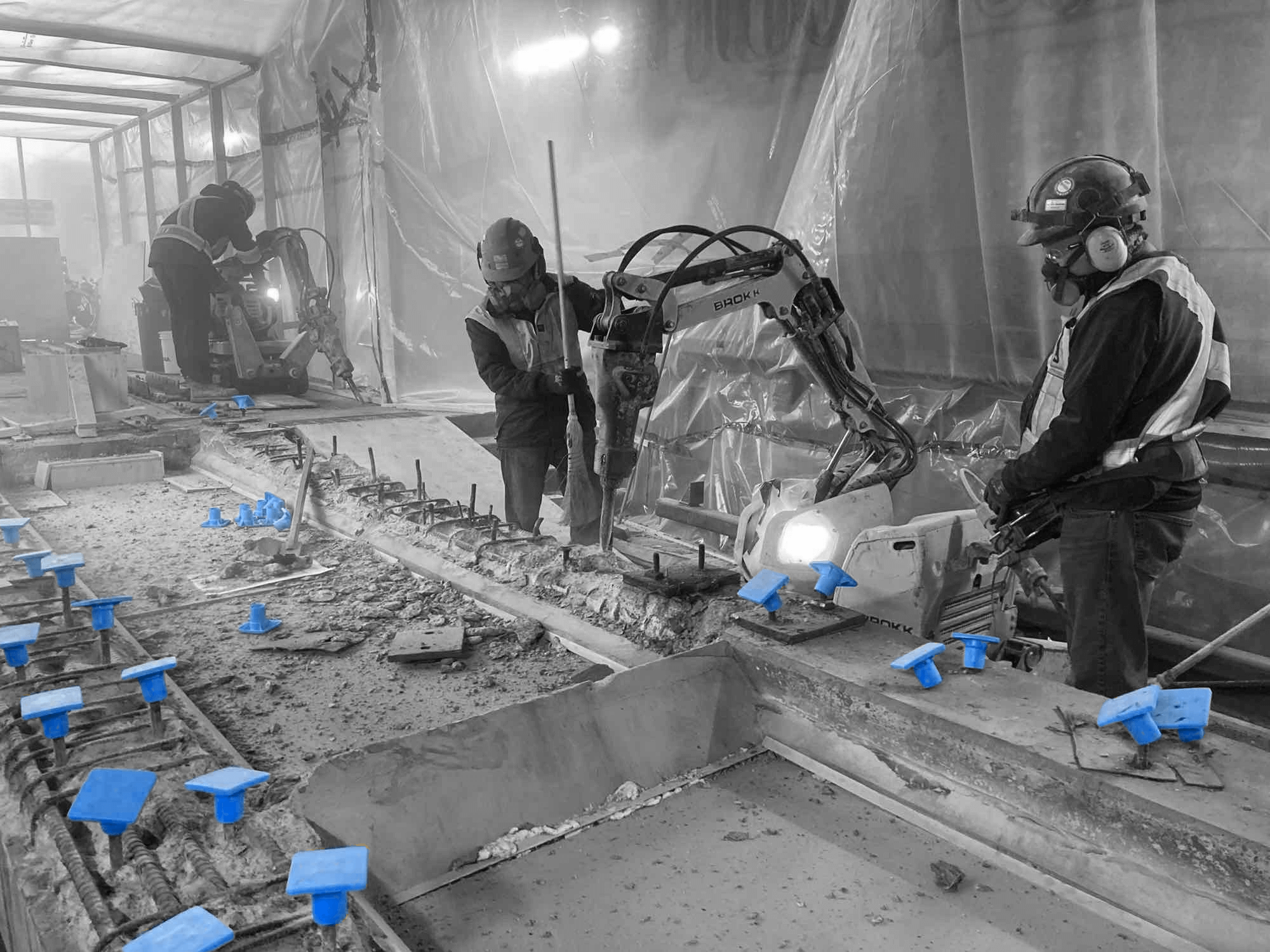
Many water and wastewater upgrades take place in operating environments. That means crews may be working beside energized equipment, pressurized lines, chemical feed systems, rotating machinery, or treatment processes that remain in service. Without disciplined isolation planning, even routine work can become high risk.
Critical controls often include:
Lockout and energy isolation
Before any demolition, tie-in, maintenance, or upgrade work begins, all energy sources must be identified and controlled. This may include electrical, hydraulic, pneumatic, mechanical, and stored process energy.
Shutdown coordination
Planned shutdowns need detailed step-by-step procedures, defined roles, contingency measures, and communication protocols with operators. Short shutdown windows often increase schedule pressure, so the work plan must be realistic and well rehearsed.
Temporary systems and bypasses
Where services must remain active, temporary piping, pumping, controls, or power arrangements should be designed and reviewed with the same discipline as permanent systems.
These risks are especially relevant on projects involving process mechanical construction and treatment system upgrades. For municipal owners, our article What Municipal Clients Should Know About Process Mechanical Upgrades provides helpful context on how these systems are integrated into live infrastructure environments.
Confined Space Safety Is Non-Negotiable
Confined spaces are common in water and wastewater work. Wet wells, valve chambers, tanks, below-grade galleries, vaults, and certain treatment structures can all present atmospheric, engulfment, access, or rescue hazards. These are not routine work areas and should never be treated that way.
A sound confined space program includes:
- formal hazard assessments
- atmosphere testing before and during entry
- isolation of connected systems
- ventilation requirements
- trained entrants, attendants, and supervisors
- rescue planning specific to the structure
- permit controls and documentation
The most important point is that confined space safety depends on both planning and discipline. Even well-understood facilities can change conditions quickly during demolition, cleaning, dewatering, or tie-in work.
Excavation, Underground Utilities, and Trench Safety Need Constant Attention
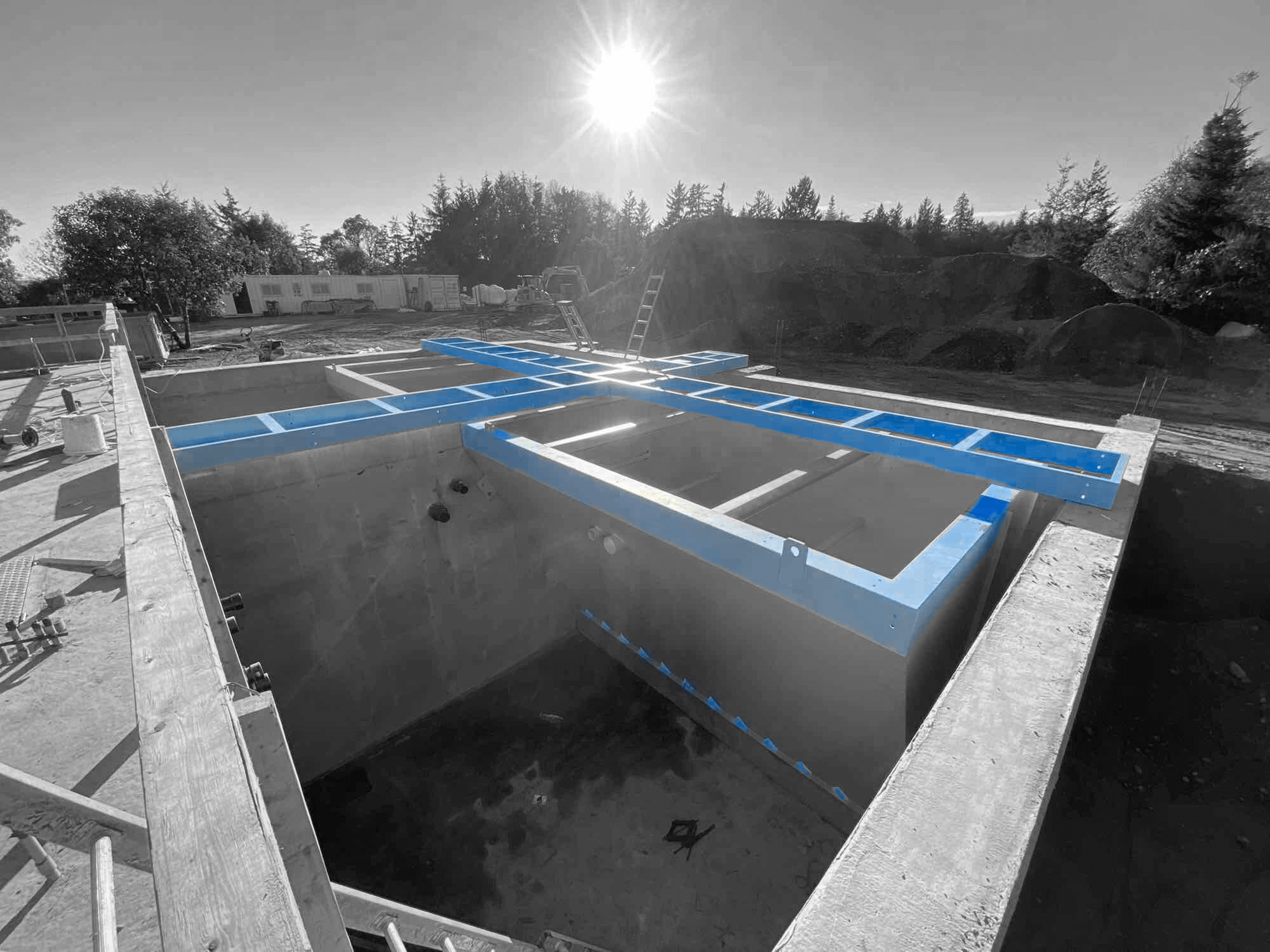
Water and wastewater projects often involve buried piping, deep excavations, duct banks, manholes, chambers, and tie-ins to aging municipal systems. Underground work introduces risks related to trench collapse, unknown utilities, unstable soils, groundwater, and access constraints.
Safe excavation practices require more than locating services. Teams also need to understand how excavation sequencing interacts with weather, traffic, dewatering, adjacent structures, and plant operations. Protective systems, access and egress, spoil placement, and inspection routines all need to be actively managed.
This is where experienced civil construction teams add value. On utility and treatment projects, excavation safety is inseparable from constructability, schedule planning, and public protection.
Chemical and Biological Exposure Risks Must Be Managed Carefully
Water and wastewater facilities can expose workers to chemicals such as chlorine, sodium hypochlorite, coagulants, polymers, and cleaning agents, as well as biological hazards associated with untreated or partially treated wastewater. These hazards require clear procedures, proper PPE, and close coordination with facility operators.
Effective controls may include:
- reviewing SDS information and site-specific chemical inventories
- segregating construction activities from active chemical areas
- using appropriate respiratory, eye, skin, and hand protection
- establishing decontamination and hygiene procedures
- training crews on exposure response protocols
Safety planning should also account for how construction activities might affect existing containment systems, ventilation, drainage, or alarm systems.
Lifting, Rigging, and Equipment Access Need Detailed Planning
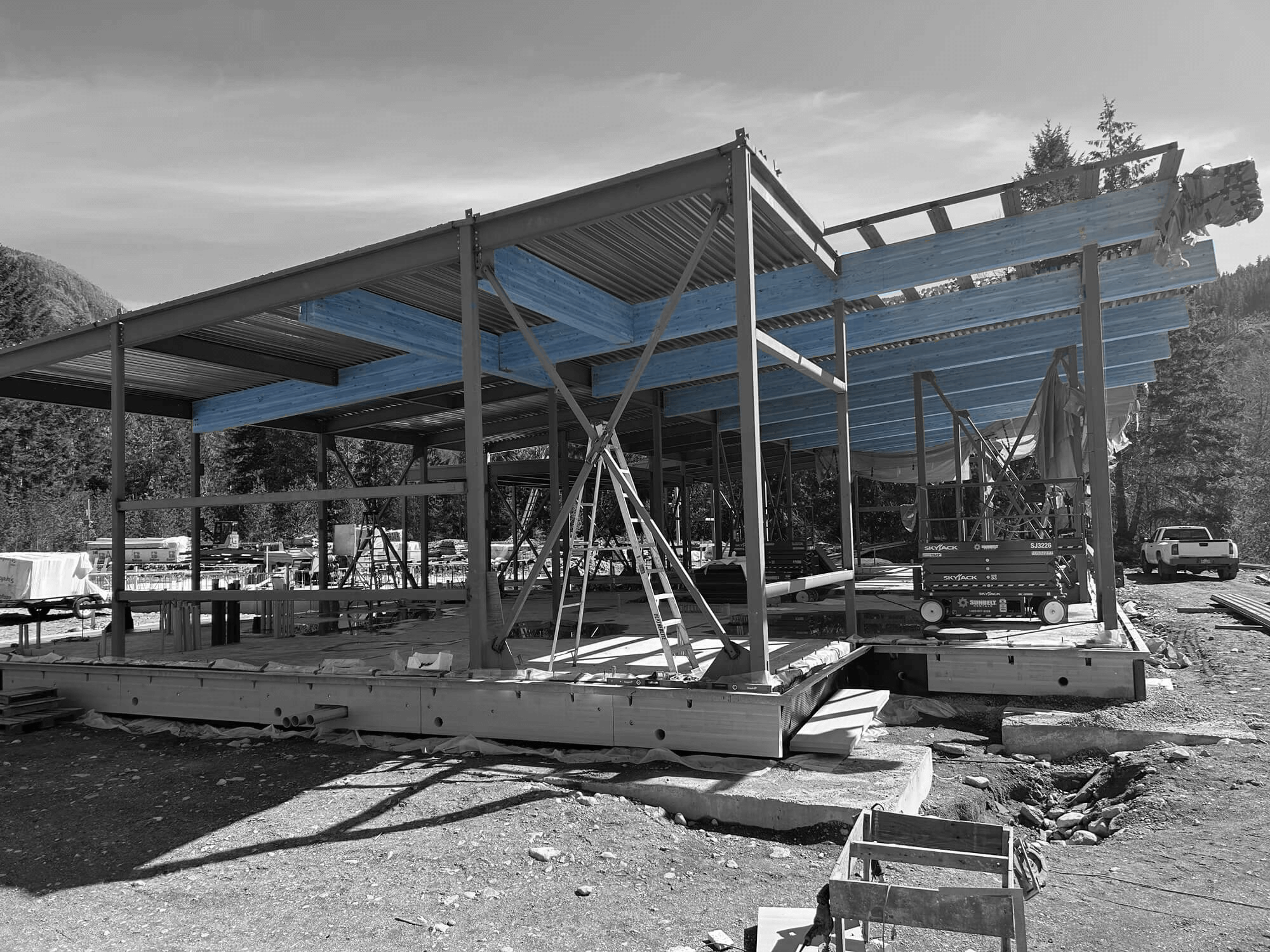
Water and wastewater construction frequently involves setting pumps, valves, tanks, pipe spools, generators, structural components, electrical gear, and prefabricated assemblies into tight or partially enclosed spaces. Access can be limited by existing buildings, overhead obstructions, underground services, or active operations.
Safe lifting plans should address:
- crane and hoist selection
- load weights and lifting points
- ground bearing conditions
- travel paths and exclusion zones
- communication methods
- weather restrictions
- coordination with nearby operations and trades
When projects are delivered by a multi-discipline, self-perform contractor, lifting and access planning can be coordinated more effectively across civil, mechanical, and structural scopes. That supports safer execution and fewer field conflicts, which aligns with Industra’s emphasis on self-perform capability and quality at every step.
Safety and Quality Planning Should Work Together
In water infrastructure, safety and quality are closely connected. Poor installation practices can create rework, unplanned exposure, rushed corrections, and commissioning problems. The reverse is also true. Strong quality control improves workforce planning, reduces uncertainty, and supports safer execution.
For example, clear inspection and test planning helps crews verify that embedments, supports, pipe alignments, process connections, and concrete works are correct before later phases begin. That reduces the need for last-minute changes in hazardous areas or during critical shutdown windows.
This is why owners should not separate safety from broader project controls. Our Safety & Quality approach and Quality Assurance focus both support better infrastructure outcomes when integrated into delivery, not added at the end.
For a deeper look at this relationship, see Why Safety Performance Is a Leading Indicator of Project Success and Why Quality Management Systems Matter in Public Infrastructure Construction.
Public Protection and Service Continuity Matter Just as Much as Worker Safety
Water and wastewater projects are public infrastructure projects. That means safety planning must also consider residents, facility staff, nearby road users, and the continuity of essential services. A well-run project protects both the workforce and the community that depends on the asset.
That includes planning for:
- secure site separation
- traffic and pedestrian control
- noise and dust management
- emergency access
- temporary water or wastewater service arrangements
- communication with stakeholders during shutdowns or tie-ins
Owners are right to expect that a contractor can maintain safe site operations while minimizing disruption to the public. This is especially important on municipal and community-based projects where service reliability is directly tied to public trust.
Safety Performance Depends on Culture, Not Just Procedures
Procedures matter, but culture determines whether those procedures are followed consistently in the field. On high-risk infrastructure work, teams need a site culture where hazards are openly discussed, supervisors are engaged, workers are empowered to speak up, and planning happens before the task starts.
A strong safety culture usually includes:
- daily coordination between crews and supervision
- task-specific hazard reviews
- visible leadership involvement
- stop-work authority
- disciplined housekeeping and access control
- lessons learned carried forward between phases
This reflects the core principle that safety is priority one. Industra’s brand guidance also makes clear that safety messaging should always be central, practical, and grounded in real project delivery, especially in complex infrastructure environments.
Building Safer Water Infrastructure Starts with Better Planning
Water and wastewater construction projects demand a higher level of safety planning because the consequences of failure are higher. The work is technically complex, often performed in active environments, and directly connected to public health, regulatory compliance, and essential service delivery.
The most successful projects treat safety as part of the overall delivery strategy. That means involving the right people early, coordinating engineering with construction, planning shutdowns and temporary systems carefully, and maintaining disciplined field execution from mobilization through commissioning.
At Industra, we bring that mindset to every project as design-builders with in-house engineering and construction services, serving municipal, industrial, First Nations, and institutional markets across Canada. For owners planning treatment plant upgrades, pump station replacements, or other critical utility work, strong safety planning is one of the clearest indicators that a project team is prepared to deliver reliably.
To discuss an upcoming project, visit our Water and Wastewater related services, learn more about our safety program, or contact us to speak with our team.