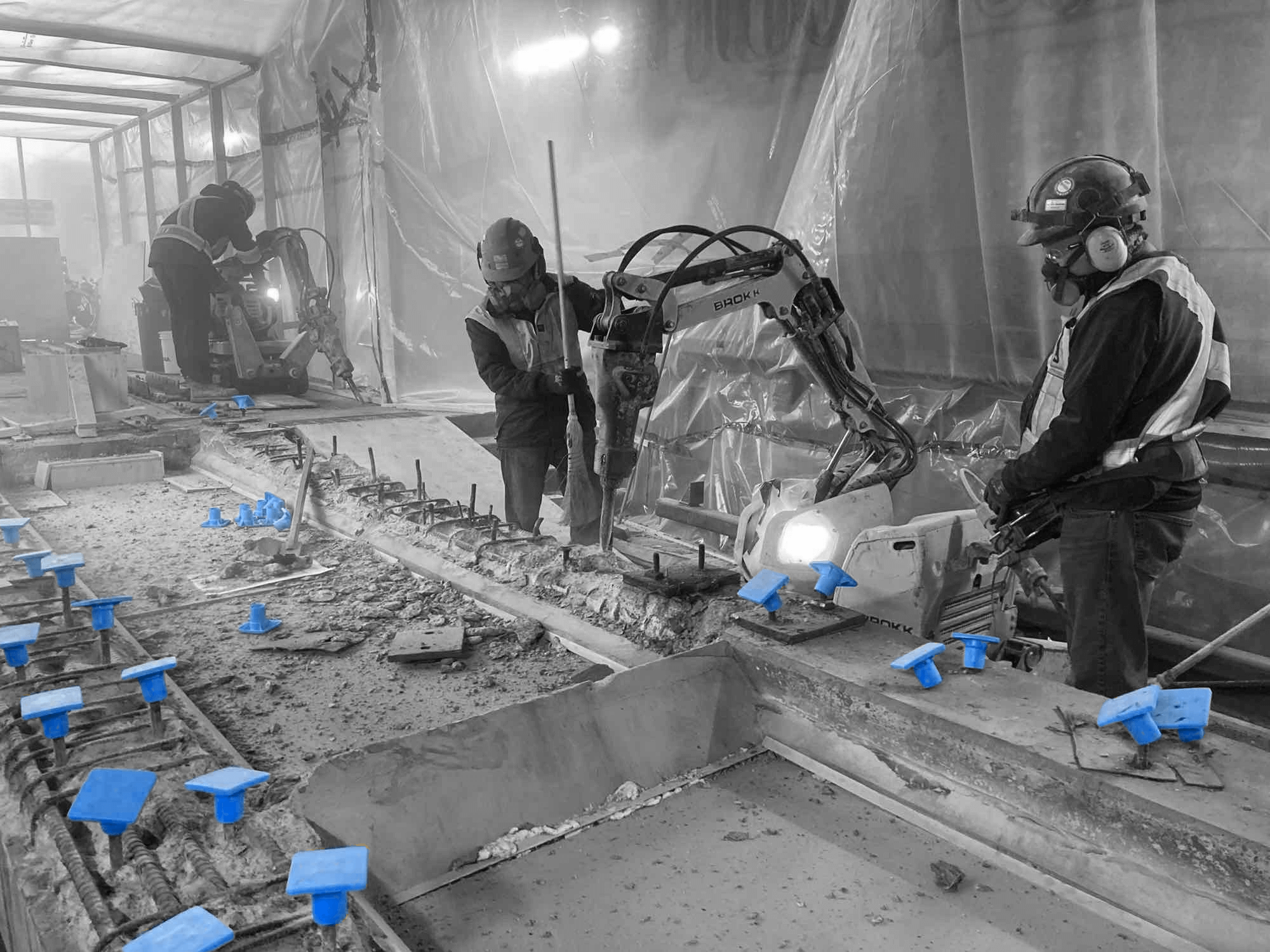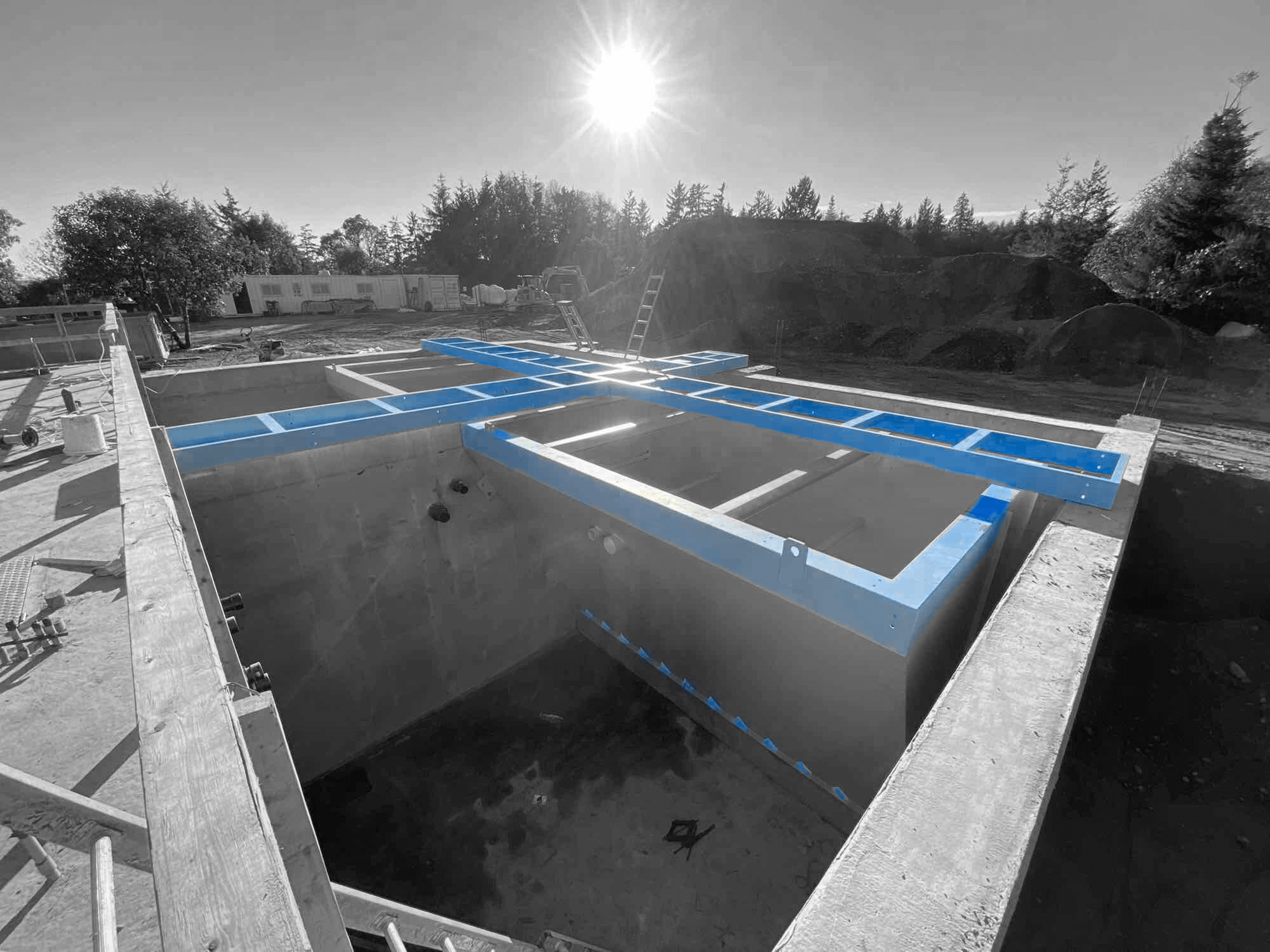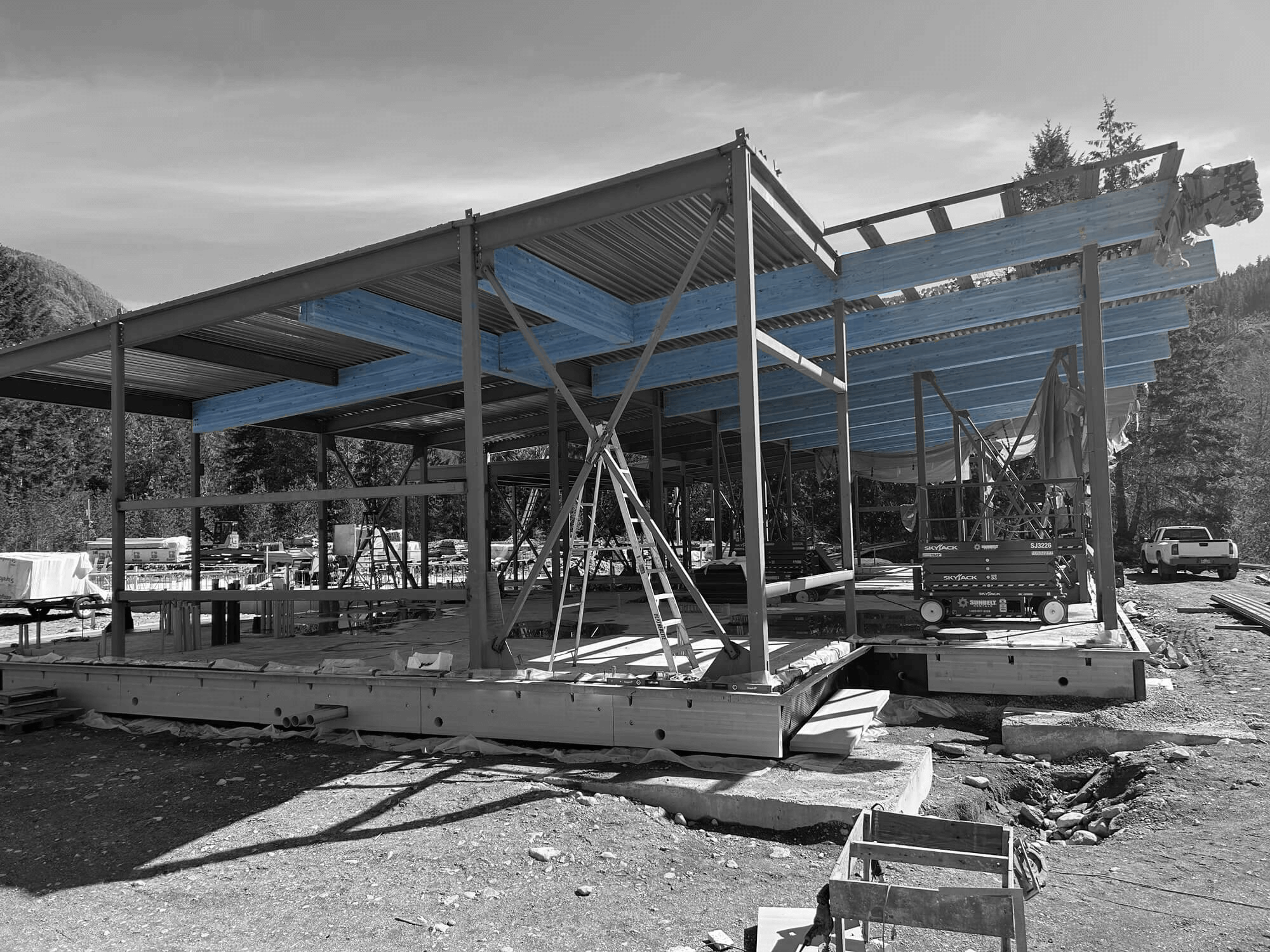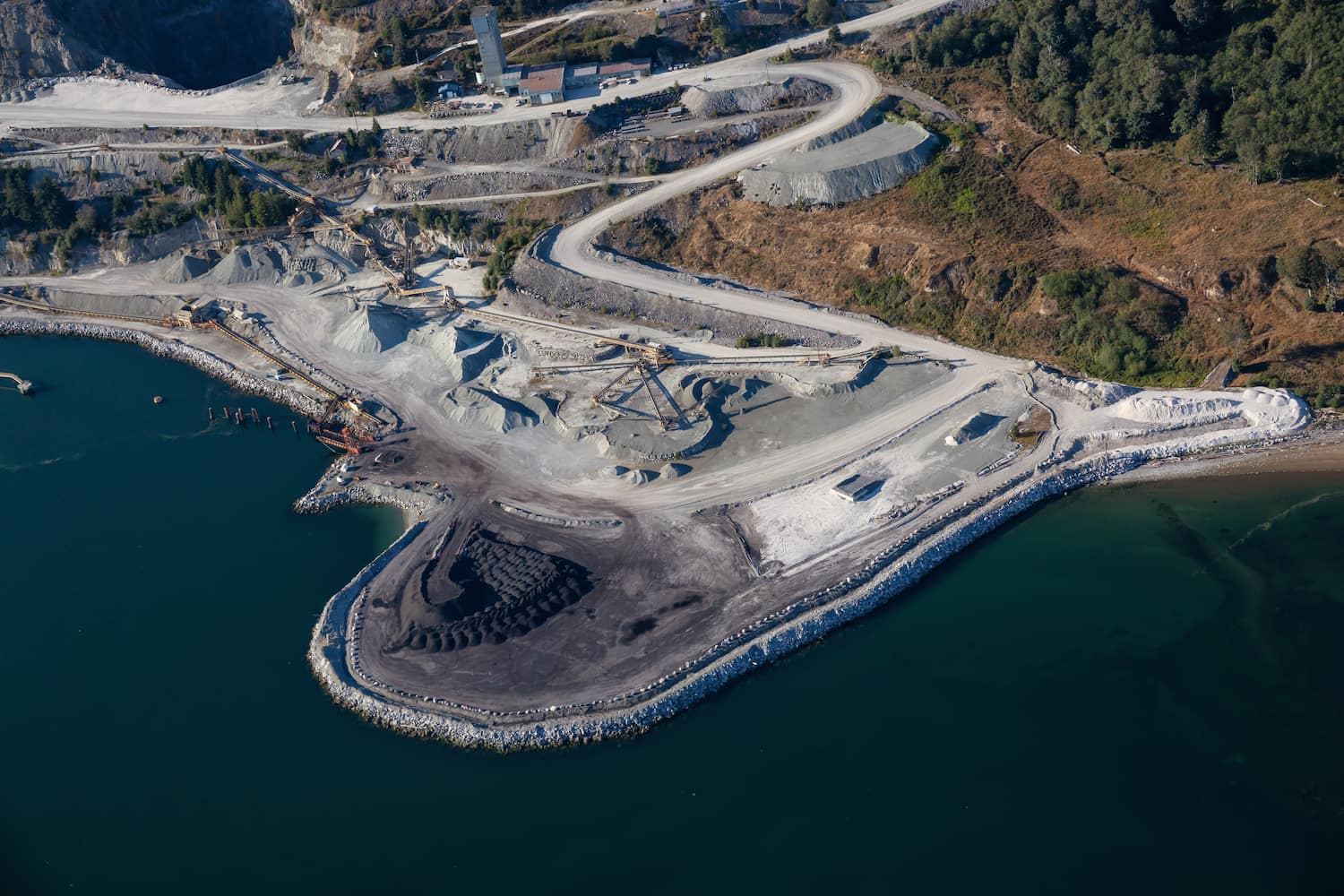
Across Canada, much of the infrastructure that communities depend on is located in or near environmentally sensitive areas. Watercourses, wetlands, coastal zones, wildlife habitats, and culturally significant lands often overlap with the need for essential infrastructure such as water treatment plants, wastewater systems, pump stations, marine works, access roads, and environmental protection facilities.
For municipalities, First Nations, industrial operators, and government agencies, delivering projects in these settings presents a unique challenge. Infrastructure must be built or upgraded without compromising environmental integrity, regulatory compliance, or community trust. Success depends on careful planning, disciplined execution, and a construction partner with proven experience working in complex and sensitive environments.
At Industra Construction, environmental stewardship is not treated as a standalone task or a box to check during permitting. It is integrated into every phase of project delivery, from early design through construction closeout. This article explores what it takes to deliver infrastructure projects responsibly in environmentally sensitive areas and why a safety-first, design-build approach is often the most effective path forward.
Understanding What Makes a Site Environmentally Sensitive
Environmentally sensitive areas vary widely across Canada, but they generally include locations where construction activities have a higher risk of impacting ecosystems, water quality, wildlife, or cultural resources. These can include:
- Rivers, lakes, and coastal marine environments
- Wetlands and riparian zones
- Fish-bearing streams and spawning habitats
- Areas with protected or at-risk species
- Floodplains and erosion-prone shorelines
- Lands with cultural, archaeological, or traditional significance
Many water and wastewater facilities, marine structures, and environmental infrastructure assets are located precisely in these areas because of functional requirements. Intake structures must connect to water sources. Outfalls discharge to receiving environments. Coastal communities rely on marine access. Northern and remote communities often have limited siting options due to terrain and climate.
Delivering infrastructure in these locations requires a deep understanding of environmental constraints, regulatory frameworks, and site-specific risks. It also requires construction methods that prioritize control, monitoring, and adaptability.
Why Environmentally Sensitive Projects Carry Higher Risk
Infrastructure projects in sensitive environments involve more than standard construction risks. In addition to schedule, cost, and safety considerations, owners must manage:
- Regulatory compliance across multiple agencies
- Environmental protection and monitoring requirements
- Public and community scrutiny
- Seasonal work restrictions and timing windows
- Higher consequences of unplanned incidents
A single environmental incident can lead to work stoppages, regulatory enforcement, reputational damage, and long-term environmental harm. For public owners and First Nations communities, the stakes are especially high. These projects must demonstrate respect for land, water, and community values while delivering reliable infrastructure.
This is where early planning and experienced execution make a measurable difference. Industra often works with clients in sensitive settings using a design-build or EPC delivery model to align environmental, technical, and construction considerations from the outset. This approach is explored further in our earlier blog on why water and wastewater projects deserve a design-build approach, which highlights how integrated teams reduce risk and improve outcomes.
The Role of Early Planning and Environmental Due Diligence
Successful projects in environmentally sensitive areas begin long before equipment arrives on site. Early planning sets the foundation for compliance, safety, and environmental protection.
Key elements of early planning include:
- Detailed environmental assessments and baseline studies
- Identification of sensitive receptors such as fish habitat or wetlands
- Understanding permit conditions and regulatory obligations
- Integration of environmental controls into construction sequencing
- Engagement with regulators, Indigenous groups, and stakeholders
Early contractor involvement allows constructability insights to inform environmental planning. Temporary works, access routes, staging areas, and material handling can all be optimized to minimize disturbance. This reduces the likelihood of last-minute changes that increase risk.
Industra’s in-house engineering and self-perform capabilities allow environmental protection measures to be designed with practical construction realities in mind. This alignment between design and execution is a recurring theme across our projects and is discussed in more detail in our article on integrating environmental protection plans into active construction sites.
Environmental Protection Plans as Living Documents
Environmental Protection Plans, or EPPs, are a cornerstone of construction in sensitive environments. However, their effectiveness depends on how they are implemented on site.
An effective EPP is not a static document prepared solely for permitting. It is a living framework that guides daily decision-making and site behavior. Key characteristics of strong EPP implementation include:
- Clear, site-specific mitigation measures
- Defined roles and responsibilities for environmental compliance
- Training for all site personnel and subcontractors
- Integration with safety and quality management systems
- Regular monitoring, inspections, and reporting
On complex sites, environmental protection is closely tied to construction safety. Sediment control, spill prevention, and erosion management all require disciplined work practices and clear communication. Industra’s Zero Harm 365 philosophy reinforces the idea that protecting people and protecting the environment are inseparable objectives.
For active facilities such as wastewater treatment plants or pump stations, environmental protection must also account for operational continuity. This overlap between environmental and operational risk is addressed in our blog on managing construction risk in active water and wastewater facilities.
Design-Build Delivery in Sensitive Environments
Design-build delivery offers distinct advantages when working in environmentally sensitive areas. By unifying design, engineering, and construction under a single point of accountability, owners benefit from better coordination and fewer disconnects between intent and execution.
Key benefits of design-build in sensitive environments include:
- Early integration of environmental controls into design
- Faster response to changing site conditions or regulatory requirements
- Reduced risk of conflicting interpretations between designer and contractor
- Improved schedule certainty within restricted work windows
For example, in-stream construction often requires work to be completed within narrow seasonal windows to protect fish habitat. A design-build team can sequence work, prefabricate components, and plan access strategies with these constraints in mind. This approach supports compliance while maintaining progress.
Our post on what makes remote construction schedules succeed in Northern Canada explores similar principles applied to challenging logistics and short construction seasons, which often overlap with environmental restrictions.
Managing Construction Activities Near Water
Water-adjacent construction presents some of the most demanding environmental challenges. Sediment control, turbidity management, and spill prevention are critical to protecting aquatic ecosystems and downstream users.
Best practices for managing construction near water include:
- Robust erosion and sediment control systems
- Temporary isolation measures such as cofferdams or by-pass pumping
- Careful material handling and storage away from watercourses
- Continuous monitoring during high-risk activities
- Emergency response planning for spills or weather events
These measures must be tailored to site conditions and construction methods. Off-the-shelf solutions rarely work without modification. Experience delivering marine, in-stream, and coastal projects is essential to anticipating how water, weather, and construction interact.
Regulatory Coordination and Compliance
Projects in environmentally sensitive areas are often subject to oversight from multiple regulatory bodies. Federal, provincial, and local agencies may all have a role, along with Indigenous governments and environmental monitors.
Effective regulatory coordination requires:
- Clear understanding of permit conditions
- Proactive communication with regulators
- Accurate and timely reporting
- Willingness to adjust methods if conditions change
From an owner’s perspective, regulatory compliance is about more than avoiding penalties. It is about demonstrating accountability and respect for the environment and community. A contractor with a track record of compliance and transparent communication reduces administrative burden and risk.
Industra’s experience delivering government-funded infrastructure projects, as discussed in our blog on why quality planning matters more than speed in government-funded projects, reinforces the importance of disciplined compliance and documentation.
Working Respectfully on Indigenous Lands
Many environmentally sensitive projects take place on or near Indigenous lands. In these contexts, environmental stewardship is inseparable from cultural respect and community engagement.
Successful delivery requires:
- Early and meaningful engagement with First Nations
- Respect for traditional knowledge and land use
- Inclusion of Indigenous environmental monitors where appropriate
- Commitment to local employment and training opportunities
These practices support better environmental outcomes and stronger long-term relationships. They also align with Industra’s broader commitment to Indigenous partnerships, which is reflected across our Indigenous Affairs initiatives and project delivery approach.
Respectful collaboration helps ensure that infrastructure projects support both community needs and environmental values.
Construction Methods That Reduce Environmental Footprint
Advances in construction methods and planning allow many projects to reduce their environmental footprint without compromising quality or safety.
Examples include:
- Prefabrication and modular construction to reduce on-site disturbance
- Optimized access routes to limit clearing and grading
- Use of low-impact equipment where feasible
- Phased construction to allow for environmental recovery
These strategies are particularly valuable in remote and northern environments, where logistics and environmental sensitivity often overlap. Our article on solving infrastructure gaps in remote northern communities highlights how planning and innovation can deliver infrastructure responsibly in challenging settings.
Monitoring, Adaptation, and Continuous Improvement
Even the best plans must adapt to real-world conditions. Weather events, unforeseen subsurface conditions, or ecological discoveries can all require adjustments during construction.
Effective environmental management relies on:
- Ongoing monitoring and inspection
- Clear escalation and decision-making processes
- Collaboration between field teams, engineers, and environmental specialists
- Documentation and lessons learned
A culture of continuous improvement helps teams respond quickly while maintaining compliance. This mindset is consistent with Industra’s quality management approach, which is explored in our blog on why quality management systems matter in public infrastructure construction.
The Long-Term Value of Responsible Environmental Construction
Delivering infrastructure in environmentally sensitive areas is not only about protecting the environment during construction. It is about creating assets that operate reliably over their full lifecycle without causing unintended impacts.
Well-planned projects result in:
- Reduced maintenance and remediation costs
- Improved regulatory and community relationships
- Greater resilience to climate and environmental change
- Infrastructure that communities can trust
For municipalities and First Nations, these outcomes support long-term sustainability and public confidence. For industrial operators, they protect operating licenses and environmental performance.
Choosing the Right Construction Partner
The complexity of environmentally sensitive projects underscores the importance of choosing the right construction partner. Owners should look for teams with:
- Proven experience in similar environments
- Strong safety and quality systems
- In-house engineering and self-perform capabilities
- A collaborative, transparent approach to environmental management
Industra brings these qualities to every project, supported by our experience across water and wastewater, environmental, industrial, institutional, and remote markets.
Conclusion
Infrastructure in environmentally sensitive areas is essential to community health, economic development, and environmental protection. Delivering these projects successfully requires more than technical competence. It demands careful planning, disciplined execution, and a deep respect for the land and water where we work.
By integrating environmental stewardship into design-build delivery, prioritizing safety and quality, and collaborating closely with regulators and communities, infrastructure owners can achieve reliable outcomes without compromising environmental values.
Industra Construction approaches these projects with the understanding that environmental protection, safety, and performance are inseparable. Our experience delivering complex infrastructure across Western and Central Canada allows us to help clients navigate sensitive environments with confidence and care.
If you are planning an infrastructure project in an environmentally sensitive area and are looking for a construction partner with proven experience, thoughtful planning, and a safety-first approach, contact us to begin planning.