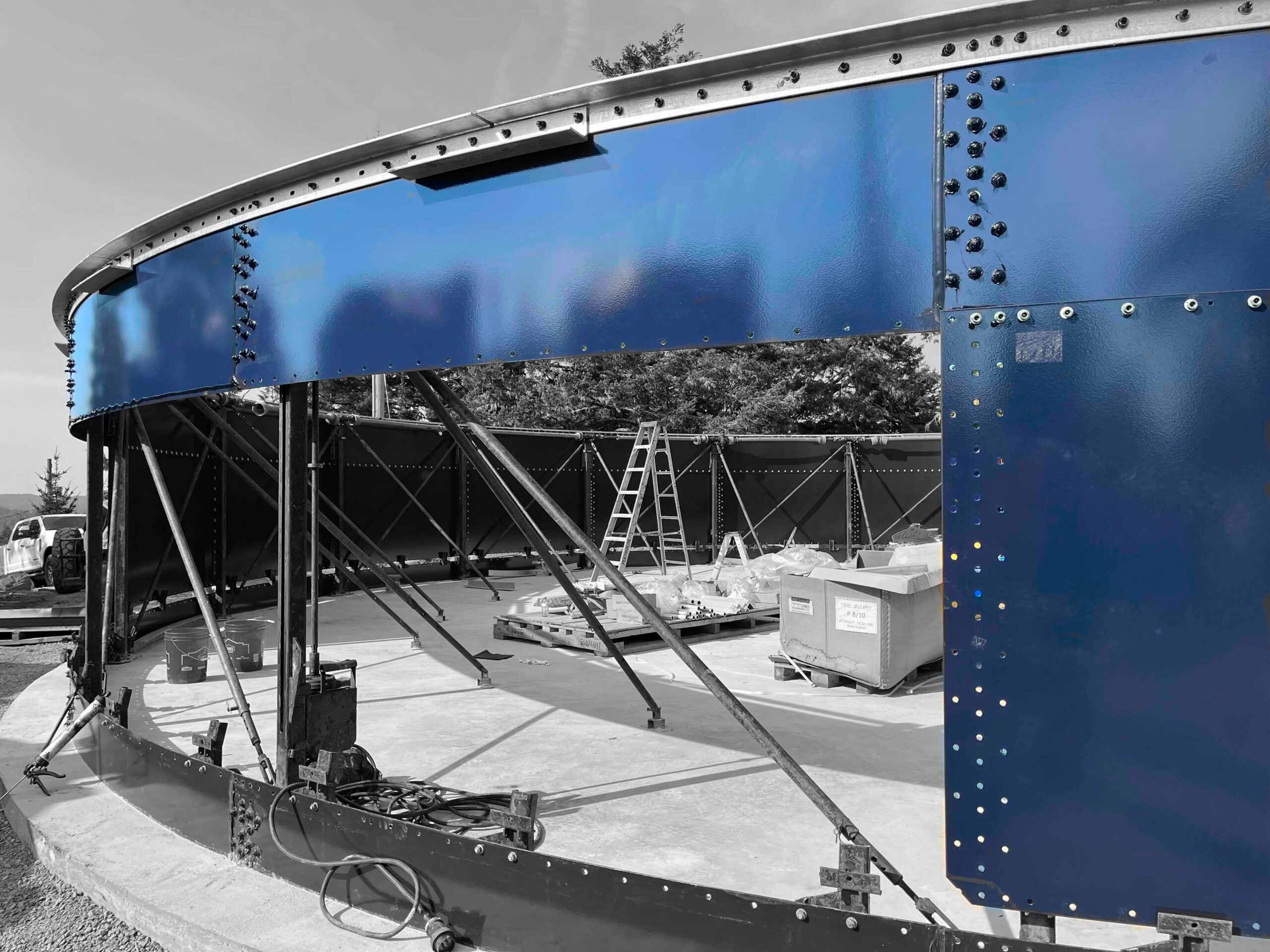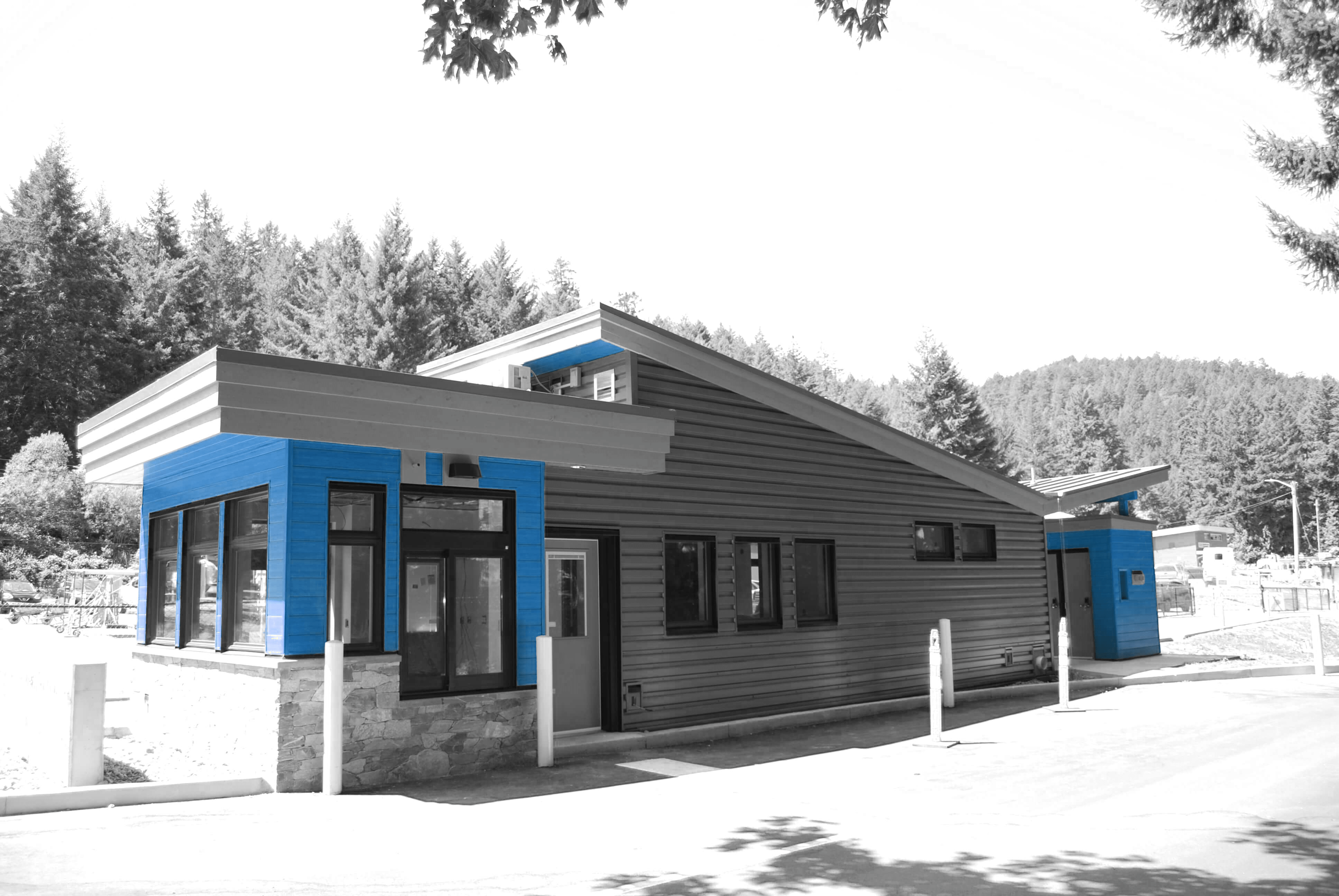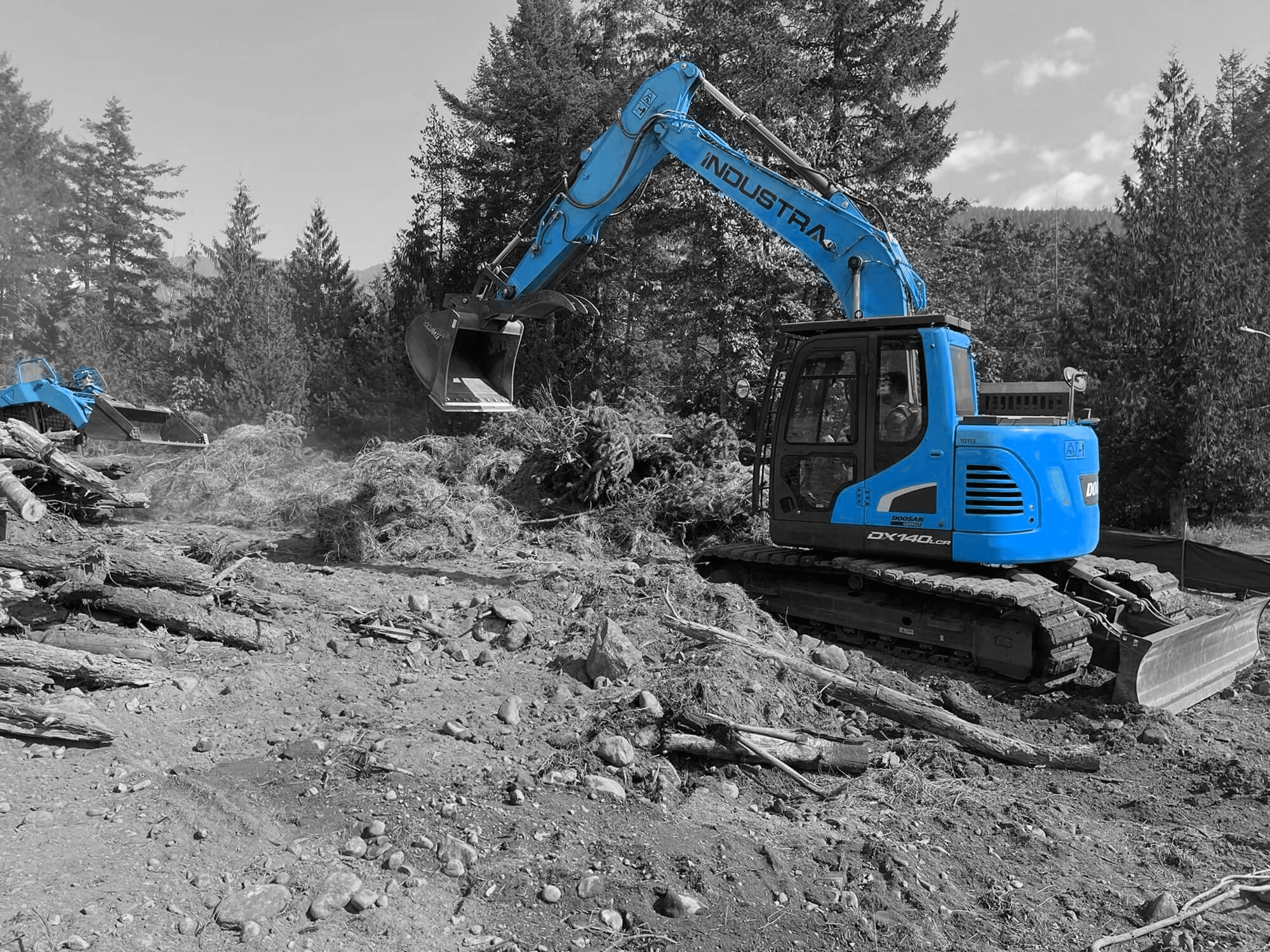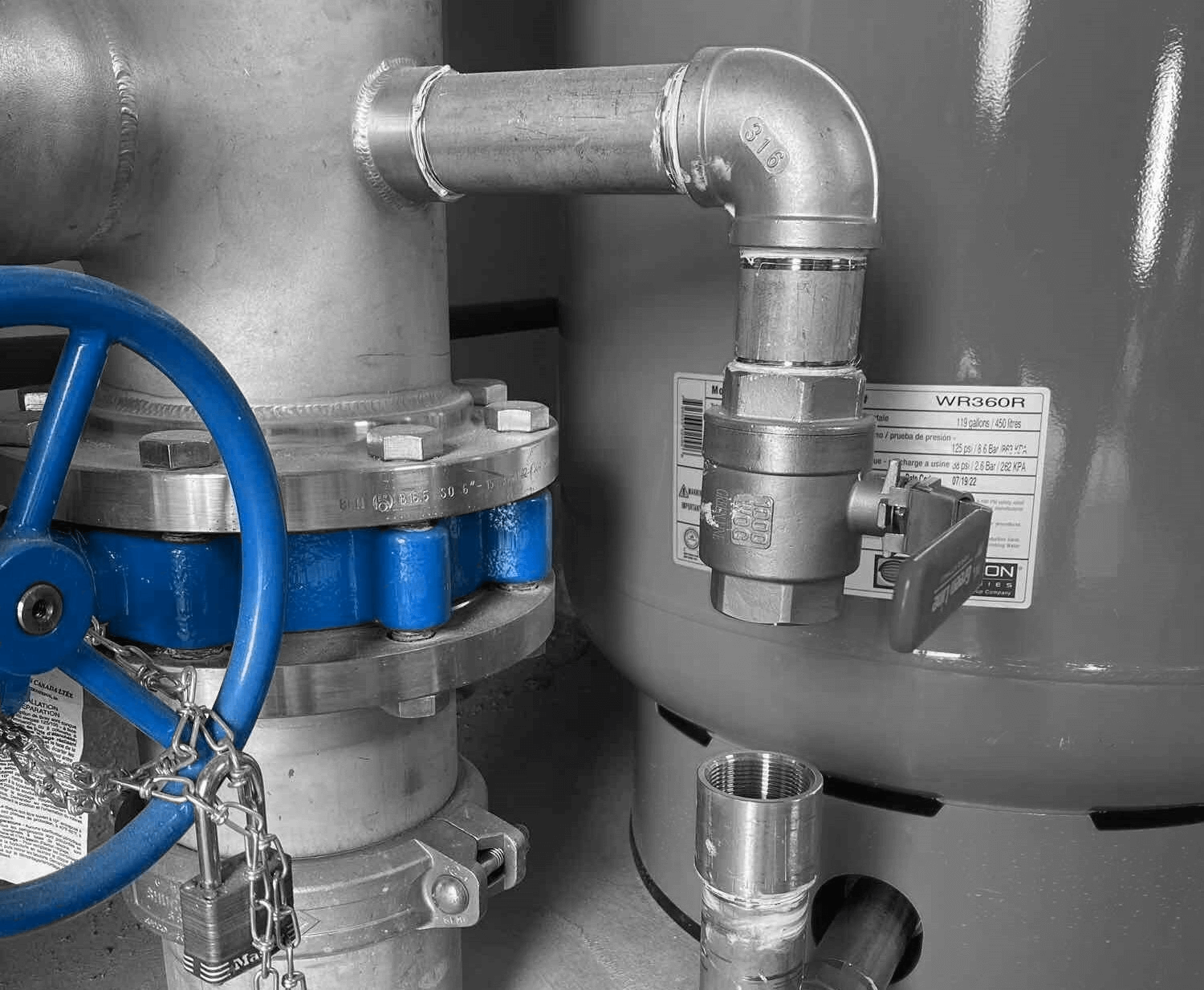
Across Canada, infrastructure owners are under increasing pressure to do more with limited funding. Municipalities, First Nations, and public agencies must replace aging assets, meet stricter environmental regulations, and plan for climate resilience. At the same time, they are expected to demonstrate fiscal responsibility and long-term value for public dollars.
In this environment, capital cost often becomes the primary focus during procurement. Lowest initial price can appear attractive, especially when budgets are constrained or grant funding has strict caps. But infrastructure built solely around upfront cost rarely delivers the best outcome over its full service life.
Designing for lifecycle performance means making decisions based on how infrastructure will operate, be maintained, and perform over decades. It shifts the focus from short-term savings to long-term reliability, safety, and value. For complex assets such as water treatment plants, wastewater facilities, pump stations, reservoirs, and industrial infrastructure, this approach is essential.
At Industra, lifecycle thinking is embedded in how projects are planned, engineered, and built. As a design-build and EPC contractor serving Western and Central Canada, Industra works with owners to deliver infrastructure that performs reliably in real-world operating conditions, including remote, northern, and environmentally sensitive locations.
Why Capital Cost Alone Is a Poor Measure of Value
Capital cost reflects only the expense of design and construction at the time an asset is built. It does not account for decades of operation, maintenance, rehabilitation, or replacement.
When lifecycle considerations are overlooked, owners often face:
- Higher operating and energy costs
- Increased maintenance and unplanned shutdowns
- Shortened asset lifespan
- Safety risks for operators and the public
- Costly retrofits to address design limitations
- Difficulty meeting evolving regulatory requirements
For example, selecting lower-cost mechanical equipment may reduce initial expenditure, but if that equipment requires frequent servicing, specialized parts, or early replacement, the total cost of ownership increases significantly.
This is particularly true in water and wastewater infrastructure, where reliability is critical and failures have direct public health and environmental consequences. Many of the challenges discussed in Industra’s previous post on Why Water and Wastewater Projects Deserve a Design-Build Approach stem directly from decisions made without full lifecycle context.
Understanding Lifecycle Performance in Infrastructure
Lifecycle performance considers the full span of an asset’s existence, from early planning through design, construction, operation, maintenance, and eventual decommissioning or replacement.
Key components include:
1. Service Life Expectations
Infrastructure should be designed to meet or exceed realistic service life targets. This requires understanding how materials, systems, and components perform over time in specific environments.
2. Operability and Maintainability
Facilities must be designed for the people who operate them daily. Clear access, safe layouts, and maintainable systems reduce risk and long-term cost.
3. Adaptability and Future Readiness
Assets should accommodate future population growth, regulatory changes, and evolving technologies without requiring major reconstruction.
4. Environmental and Climate Resilience
Infrastructure must withstand changing climate conditions, extreme weather, and environmental stressors, especially in coastal and northern regions.
5. Total Cost of Ownership
This includes energy use, staffing requirements, spare parts, maintenance cycles, and eventual rehabilitation.
Lifecycle-focused projects align closely with the principles outlined in Industra’s article on How to Future-Proof Your Water Infrastructure for Climate Resilience, where long-term performance is a core design driver.
The Role of Design-Build in Lifecycle-Oriented Infrastructure
Traditional delivery models often separate design and construction into isolated phases. Designers may focus on meeting specifications, while contractors focus on building what is drawn, even if practical improvements are obvious.
Design-build integrates engineering, construction, and quality control into a single accountable team. This integration is critical for lifecycle performance.
Early Constructability Input
Construction expertise during design helps avoid layouts or systems that are difficult to build, operate, or maintain. This reduces change orders and rework, a topic explored further in Why Quality Planning Matters More Than Speed in Government-Funded Projects.
Informed Material and Equipment Selection
Design-build teams can evaluate materials and equipment based on availability, durability, maintenance requirements, and lifecycle cost, not just initial price.
Aligned Decision-Making
When the same team is responsible for design and construction, decisions are made with long-term performance in mind, not short-term scope gaps.
Single-Source Accountability
Owners benefit from clear responsibility for performance outcomes, a core advantage discussed in Best Practices for EPC Design-Build in Complex Projects.
Industra’s in-house engineering and self-perform construction capabilities strengthen this approach by maintaining continuity from concept through commissioning.
Designing for Operations and Maintenance Reality
Infrastructure that looks efficient on paper can become costly and unsafe if operational realities are not fully considered.
Operator Safety and Access
Safe access to valves, pumps, electrical equipment, and instrumentation is essential. Poor layouts increase risk and slow response times during maintenance or emergencies. Industra’s Zero Harm 365 philosophy ensures safety considerations are integrated from design through construction, aligning with insights from Maintaining Safety Protocols in Wastewater Treatment Plant Construction.
Standardization and Familiarity
Using proven equipment platforms and standardized components reduces training requirements and simplifies maintenance. This is especially important for small municipalities and remote communities with limited technical staff.
Redundancy and Reliability
Lifecycle-focused design includes appropriate redundancy to allow maintenance without service disruption. This is critical in pump stations, reservoirs, and treatment facilities, as highlighted in What Municipal Clients Should Know Before Starting a Pump Station Replacement.
Lifecycle Challenges in Remote and Northern Infrastructure
Remote and northern communities face unique challenges that amplify the importance of lifecycle performance.
Limited Access and Logistics
In fly-in or barge-only locations, replacing failed equipment can take weeks or months. Designing for durability and reliability is not optional. Industra’s experience described in What Makes Remote Construction Schedules Succeed in Northern Canada underscores how logistics and lifecycle planning must work together.
Skilled Labour Availability
Facilities must be operable by locally available personnel. Overly complex systems can create dependency on external specialists, increasing cost and downtime.
Harsh Environmental Conditions
Cold temperatures, permafrost, and freeze-thaw cycles accelerate wear. Materials and systems must be selected specifically for northern conditions, a recurring theme in Solving Infrastructure Gaps in Remote Northern Communities.
Lifecycle-focused design in these regions directly supports community resilience and long-term service continuity.
Quality Management as a Lifecycle Enabler
Quality during construction has a direct impact on asset lifespan. Poor installation, inadequate testing, or incomplete documentation can undermine even the best designs.
Industra’s approach to quality management includes:
- Defined inspection and testing plans
- Traceable materials and equipment records
- Systematic commissioning processes
- Clear turnover documentation for operators
These practices align with the principles outlined in Why Quality Management Systems Matter in Public Infrastructure Construction and help ensure that assets perform as intended long after construction is complete.
Environmental Stewardship and Long-Term Performance
Environmental performance is increasingly tied to lifecycle value. Infrastructure that minimizes environmental impact often delivers better long-term outcomes.
Reduced Environmental Risk
Well-designed containment, drainage, and erosion control systems reduce the likelihood of environmental incidents and regulatory penalties.
Energy Efficiency
Efficient process design lowers operating costs and reduces greenhouse gas emissions over the asset’s life.
Regulatory Durability
Facilities designed to meet future regulatory trends are less likely to require costly retrofits. This concept is closely connected to Integrating Environmental Protection Plans into Active Construction Sites.
Industra’s environmental construction services focus on building infrastructure that protects natural systems while delivering reliable service.
First Nations Infrastructure and Long-Term Community Value
For First Nations communities, infrastructure investments are closely tied to long-term community well-being, self-determination, and economic development.
Lifecycle-focused design supports:
- Reliable essential services such as water and wastewater
- Infrastructure that can be maintained locally
- Reduced long-term financial burden on communities
- Opportunities for local training and employment
Industra’s work in First Nations infrastructure projects emphasizes respectful collaboration and long-term value creation, as reflected across the company’s Indigenous Affairs initiatives and community-focused project delivery model.
Funding Realities and Lifecycle Thinking
Public infrastructure funding often emphasizes capital cost due to program structures. However, many funding agencies increasingly recognize the importance of lifecycle value.
Owners who can demonstrate:
- Lower total cost of ownership
- Reduced operational risk
- Improved resilience and reliability
are better positioned to justify investment decisions and secure long-term support. Lifecycle analysis strengthens business cases and aligns with the accountability expectations discussed in The Role of Real-Time Project Monitoring in Delivering Government-Funded Projects.
Practical Steps for Owners to Prioritize Lifecycle Performance
Infrastructure owners can take several practical steps to move beyond capital cost:
- Engage Contractors Early
Early contractor involvement improves constructability and lifecycle outcomes. - Require Lifecycle Analysis
Include lifecycle cost evaluation in procurement and design criteria. - Prioritize Operability
Involve operators in design reviews to identify practical improvements. - Choose Integrated Delivery Models
Design-build and EPC delivery align incentives around long-term performance. - Invest in Quality and Safety
Quality construction and safe work practices protect long-term asset value.
These principles are reinforced across many of Industra’s recent blogs, including The Value of Client-Focused Construction Management.
Building for the Long Term
Infrastructure is not disposable. Water treatment plants, pump stations, reservoirs, industrial facilities, and public buildings are expected to serve communities for decades. Decisions made during planning and design determine whether those assets deliver consistent value or become ongoing liabilities.
Designing for lifecycle performance requires experience, technical understanding, and a commitment to long-term outcomes. It demands collaboration between owners, engineers, constructors, and operators from the earliest stages of a project.
Industra brings this lifecycle-focused mindset to every project. With in-house engineering, multi-discipline self-perform capabilities, and deep experience in remote and complex environments, Industra helps clients build infrastructure that lasts.
Talk to Industra About Lifecycle-Focused Infrastructure
If you are planning a new facility, upgrade, or replacement project, Industra can help evaluate design-build and EPC options that prioritize long-term performance, safety, and value. Contact Industra to discuss how lifecycle thinking can strengthen your next infrastructure investment.