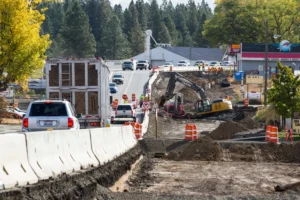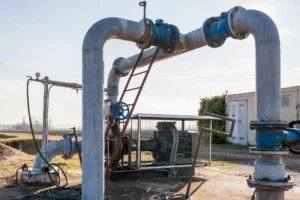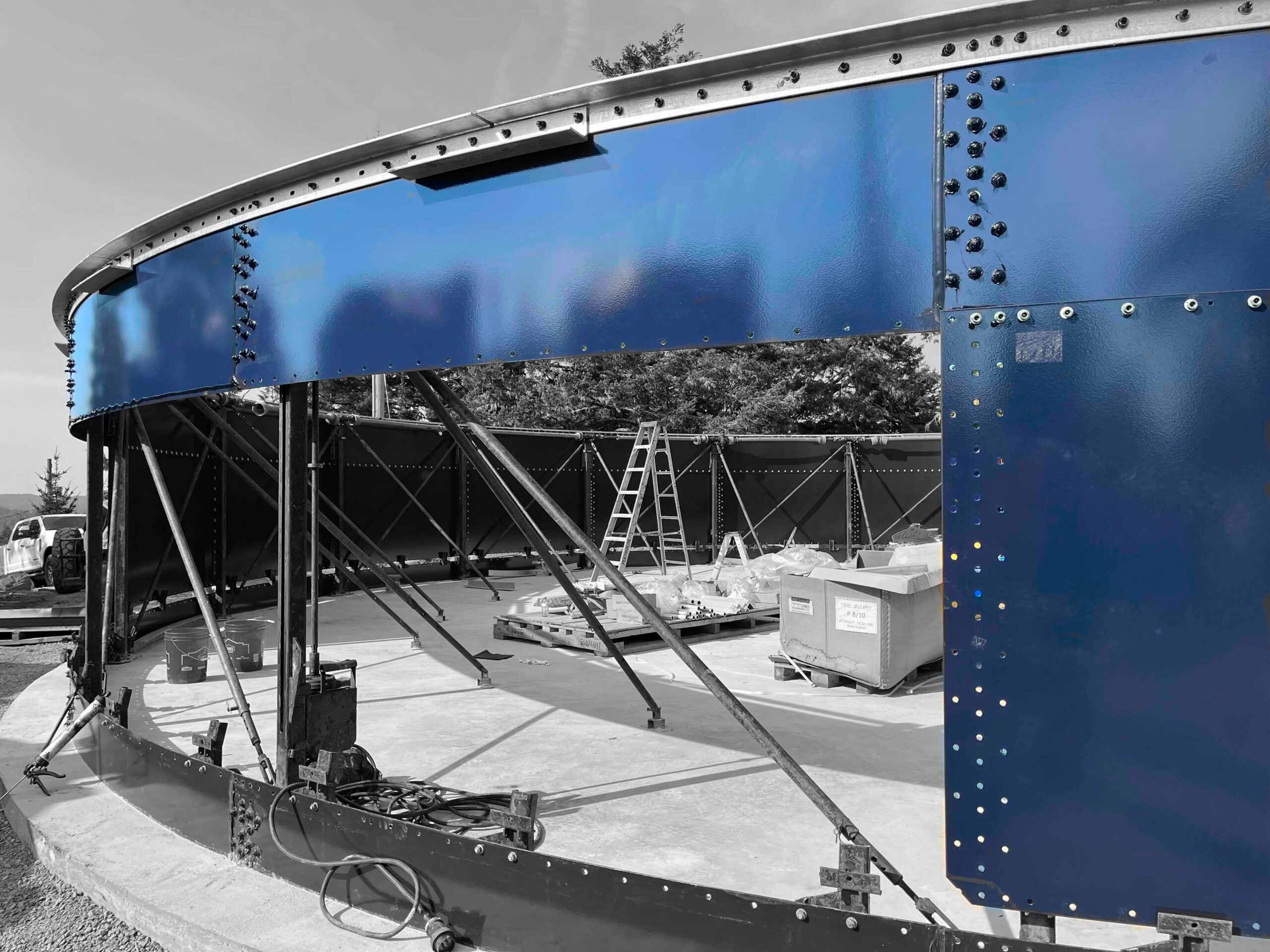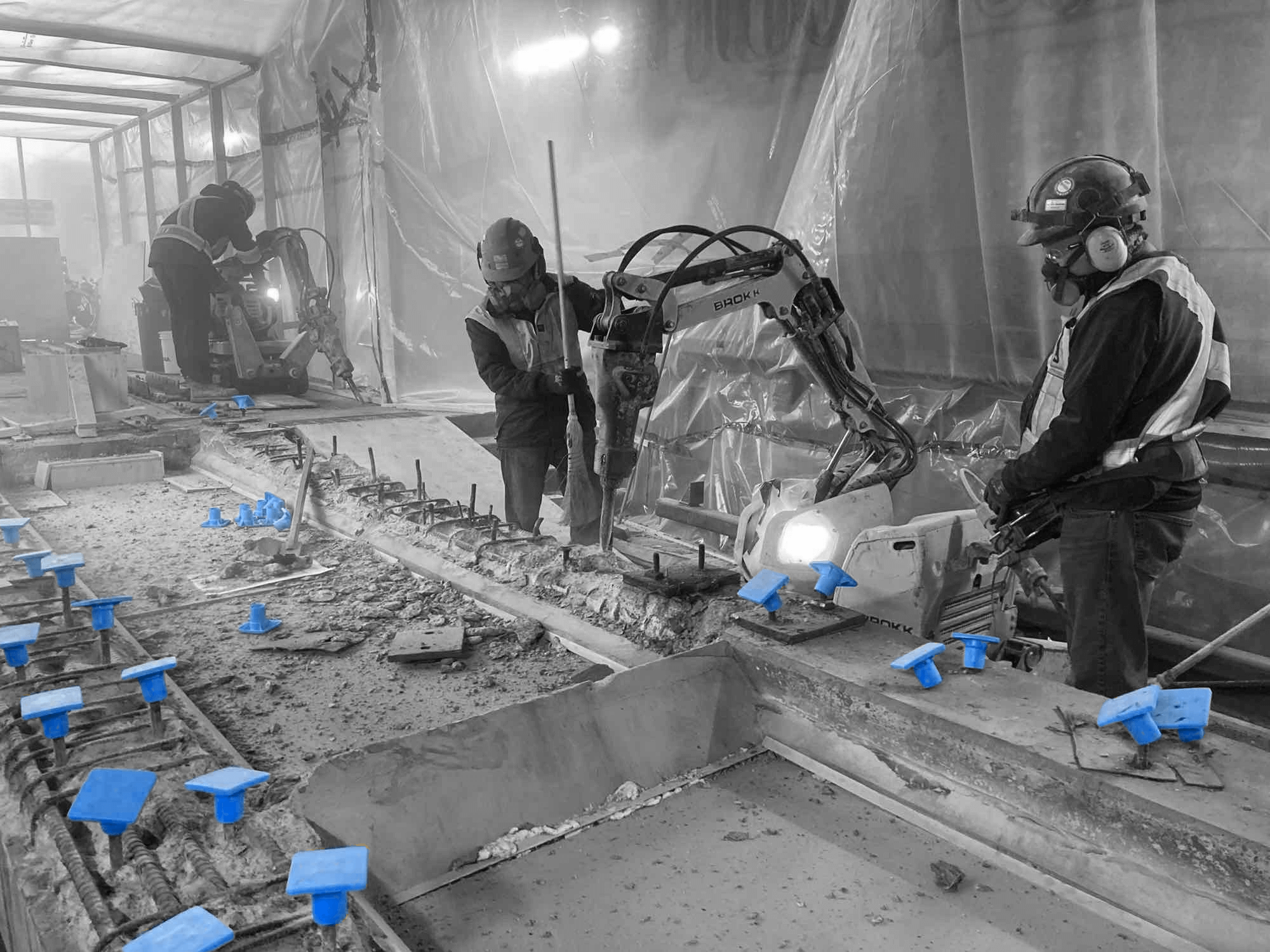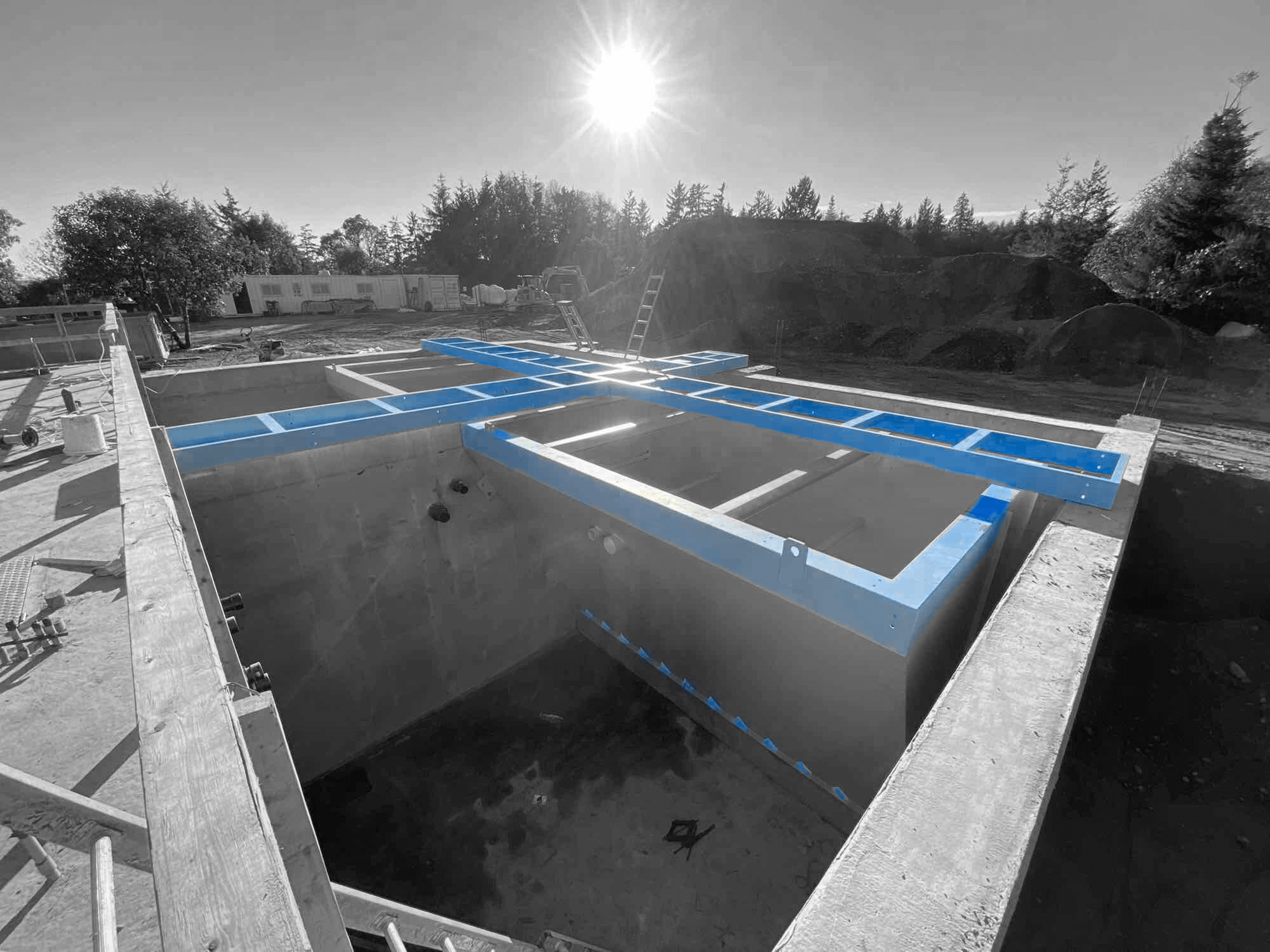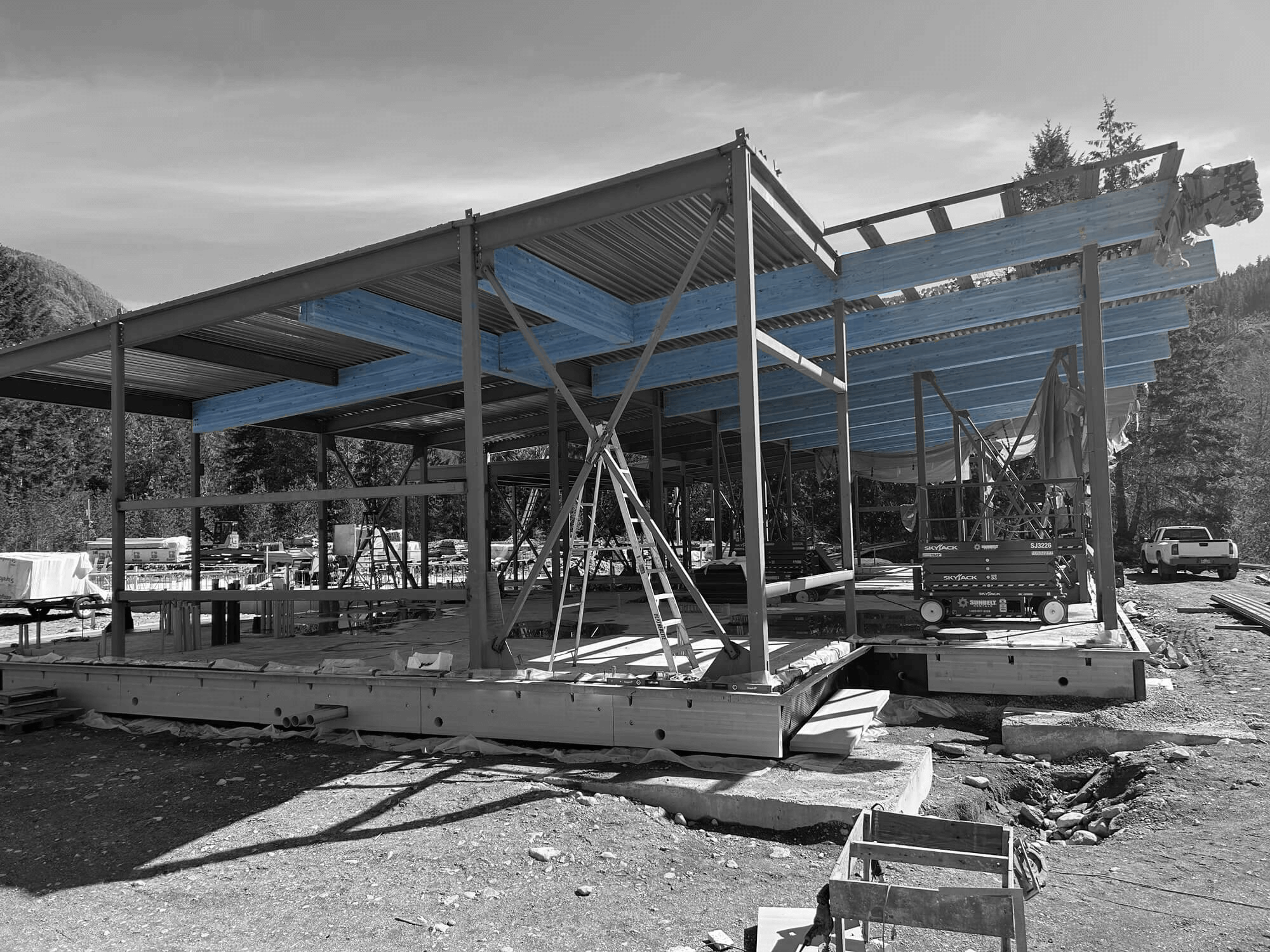
Public infrastructure projects carry a responsibility that extends far beyond schedules and budgets. When a municipality builds a water treatment plant, replaces a pump station, upgrades a correctional facility, or delivers infrastructure for a First Nations community, the outcome affects public health, safety, and long-term service reliability for decades.
Quality management systems play a central role in meeting that responsibility. They provide the structure, accountability, and discipline needed to deliver infrastructure that performs as intended, complies with regulatory requirements, and stands up to real-world operating conditions. In an era of aging assets, climate pressure, and heightened public scrutiny, quality is not optional. It is foundational.
For experienced EPC and design-build contractors like Industra, quality management is not a paperwork exercise. It is an integrated, field-driven process that supports safety, reduces risk, and protects public investment at every stage of construction.
What Is a Quality Management System in Construction?
A quality management system, often referred to as a QMS, is a structured framework that governs how work is planned, executed, inspected, documented, and verified. In public infrastructure construction, a QMS ensures that every element of a project meets defined standards before it is accepted, commissioned, and placed into service.
A robust construction QMS typically includes:
- Defined quality objectives aligned with owner requirements
- Inspection and test plans tied to critical activities
- Document control and traceability
- Clear roles and responsibilities for quality oversight
- Non-conformance tracking and corrective action processes
- Continuous improvement based on lessons learned
Unlike private developments, public infrastructure projects are accountable to regulators, funding agencies, operators, and communities. A formal quality management system creates transparency and defensibility throughout the project lifecycle.
Industra’s approach aligns with ISO 9001 principles and is fully integrated with its Safety and Quality program, reinforcing the company’s commitment to “get it right the first time.”
Why Quality Matters More in Public Infrastructure Than Almost Any Other Sector
Public infrastructure is expected to operate safely and reliably for decades, often in harsh Canadian environments. Unlike commercial developments, failures in public works can result in environmental damage, service outages, or public health risks.
Quality management systems matter because they address several unique realities of public infrastructure construction.
Long Asset Lifecycles
Water and wastewater facilities, reservoirs, pump stations, and institutional buildings are designed for service lives of 40 to 75 years or more. Construction defects that seem minor during installation can lead to significant operational issues years later.
Quality systems ensure:
- Proper material selection and installation
- Verified workmanship at critical interfaces
- Compliance with design intent and specifications
This is especially important in water and wastewater projects, where Industra frequently supports municipalities through complex upgrades.
Public Accountability and Transparency
Public projects are funded by taxpayers and governed by strict procurement and reporting requirements. A formal QMS creates a defensible record of compliance, inspections, approvals, and corrective actions.
This level of documentation protects owners during audits, commissioning, and long-term asset management.
Regulatory and Environmental Oversight
Environmental permits, building codes, and safety regulations leave little room for interpretation. Quality management systems help ensure regulatory compliance is planned and verified rather than discovered through deficiencies.
This is particularly relevant for projects involving environmental construction services or in-stream work, where regulatory non-compliance can stop a project entirely.
The Link Between Quality Management and Safety Performance
Quality and safety are inseparable in well-managed construction projects. Poor quality often introduces safety risks, while strong quality systems reinforce safe work practices.
A quality management system supports safety by:
- Ensuring engineered systems are installed correctly
- Reducing rework, which is a known contributor to incidents
- Supporting clear procedures and expectations for field crews
- Verifying that temporary works meet design and safety requirements
Industra’s Zero Harm 365 philosophy integrates quality planning into daily field activities, reinforcing safety as priority one.
How Quality Management Systems Reduce Project Risk
Public infrastructure projects face a range of risks including cost overruns, schedule delays, operational failures, and stakeholder disputes. A disciplined quality management system directly reduces these risks.
Fewer Deficiencies and Less Rework
Rework is one of the most expensive and disruptive issues in construction. Quality inspections performed at the right time prevent deficiencies from being buried behind subsequent work.
By implementing inspection and test plans aligned with construction sequencing, contractors can identify issues early when they are easier and safer to correct.
Improved Schedule Certainty
Contrary to common misconceptions, quality management does not slow projects down. In fact, it supports schedule reliability by preventing last-minute corrections, failed inspections, and commissioning delays.
This aligns closely with Industra’s design-build and EPC delivery model, where quality planning begins during early design. For more on this integration, see Best Practices for EPC Design-Build in Complex Projects.
Stronger Cost Control
Quality failures often lead to cost growth through rework, extended supervision, and disputes. A QMS supports predictable outcomes by clearly defining acceptance criteria and verification processes from the outset.
Quality Management in Design-Build and EPC Delivery
Design-build and EPC project delivery models place even greater importance on quality management systems. With single-source accountability, the contractor is responsible for both design intent and construction execution.
A strong QMS supports design-build delivery by:
- Aligning design assumptions with constructability realities
- Ensuring design changes are reviewed for quality impacts
- Verifying that procurement meets technical specifications
- Supporting seamless transitions from design to construction to commissioning
Industra’s in-house engineering teams work directly with construction and quality personnel to ensure alignment throughout the project lifecycle.
Quality Management for Water and Wastewater Infrastructure
Water and wastewater projects are among the most quality-sensitive forms of public infrastructure construction. Process mechanical systems, piping, concrete structures, and control systems must all perform reliably under continuous operation.
A construction QMS is critical for:
- Verifying process mechanical installations
- Ensuring proper concrete placement and curing
- Confirming pressure testing and system integrity
- Supporting commissioning and operator handover
Quality documentation generated during construction becomes a valuable asset for operators long after the project is complete.
Industra’s experience delivering water treatment plant construction and wastewater treatment upgrades demonstrates how structured quality systems support both construction success and long-term operational performance.
Quality Management in Remote and Northern Construction
Quality management becomes even more critical in remote and northern environments, where access constraints and extreme conditions limit opportunities for correction.
In fly-in or barge-access communities, poor quality can have amplified consequences:
- Replacement materials may take weeks or months to arrive
- Weather windows are limited
- Specialized labour may not be readily available
A strong QMS supports remote Arctic construction by emphasizing:
- Detailed pre-construction planning
- Enhanced inspection hold points
- Prefabrication quality control before shipment
- Clear documentation for off-site stakeholders
Industra’s experience in northern logistics construction is rooted in planning quality into every phase of work.
Quality Management and First Nations Infrastructure Projects
Infrastructure projects delivered in partnership with First Nations communities require an added level of care, respect, and accountability. Quality management systems help ensure commitments made during engagement are honored during construction.
A strong QMS supports Indigenous infrastructure projects by:
- Providing transparency into construction standards
- Supporting local workforce training through clear procedures
- Ensuring long-term asset performance for the community
- Reducing the risk of post-construction deficiencies
Industra’s approach emphasizes collaboration, local participation, and long-term value, supported by disciplined quality processes. More information is available on the Indigenous Affairs page.
Commissioning, Turnover, and Long-Term Asset Value
Quality management systems do not end when construction is complete. They play a critical role during commissioning, turnover, and the transition to operations.
Effective quality systems ensure:
- All deficiencies are addressed before handover
- As-built documentation is accurate and complete
- Operators receive systems that perform as designed
- Warranty and lifecycle responsibilities are clearly defined
This protects owners from inheriting unresolved issues that can strain operating budgets and public trust.
Quality as a Measure of Contractor Capability
For municipalities, government agencies, and infrastructure owners, a contractor’s quality management system is a strong indicator of capability and maturity.
Questions owners should ask include:
- Is quality managed consistently across all projects?
- Are inspections planned or reactive?
- How are deficiencies tracked and resolved?
- Is quality integrated with safety and construction planning?
Contractors who treat quality as a core operational discipline, rather than an administrative requirement, deliver more predictable outcomes.
This principle aligns closely with Industra’s client-focused, performance-driven approach as a trusted EPC contractor in Western Canada.
Building Public Infrastructure That Lasts
Quality management systems matter because public infrastructure must work. It must serve communities safely, reliably, and efficiently for generations.
From municipal pump station construction to institutional buildings, environmental projects, and industrial upgrades, quality is the thread that ties planning, execution, and long-term performance together.
At Industra, quality is embedded into how projects are designed, built, and handed over. It supports safety, protects public investment, and ensures infrastructure performs as intended in real-world Canadian conditions.
Contact our team to discuss how a structured quality management approach can support your next project.