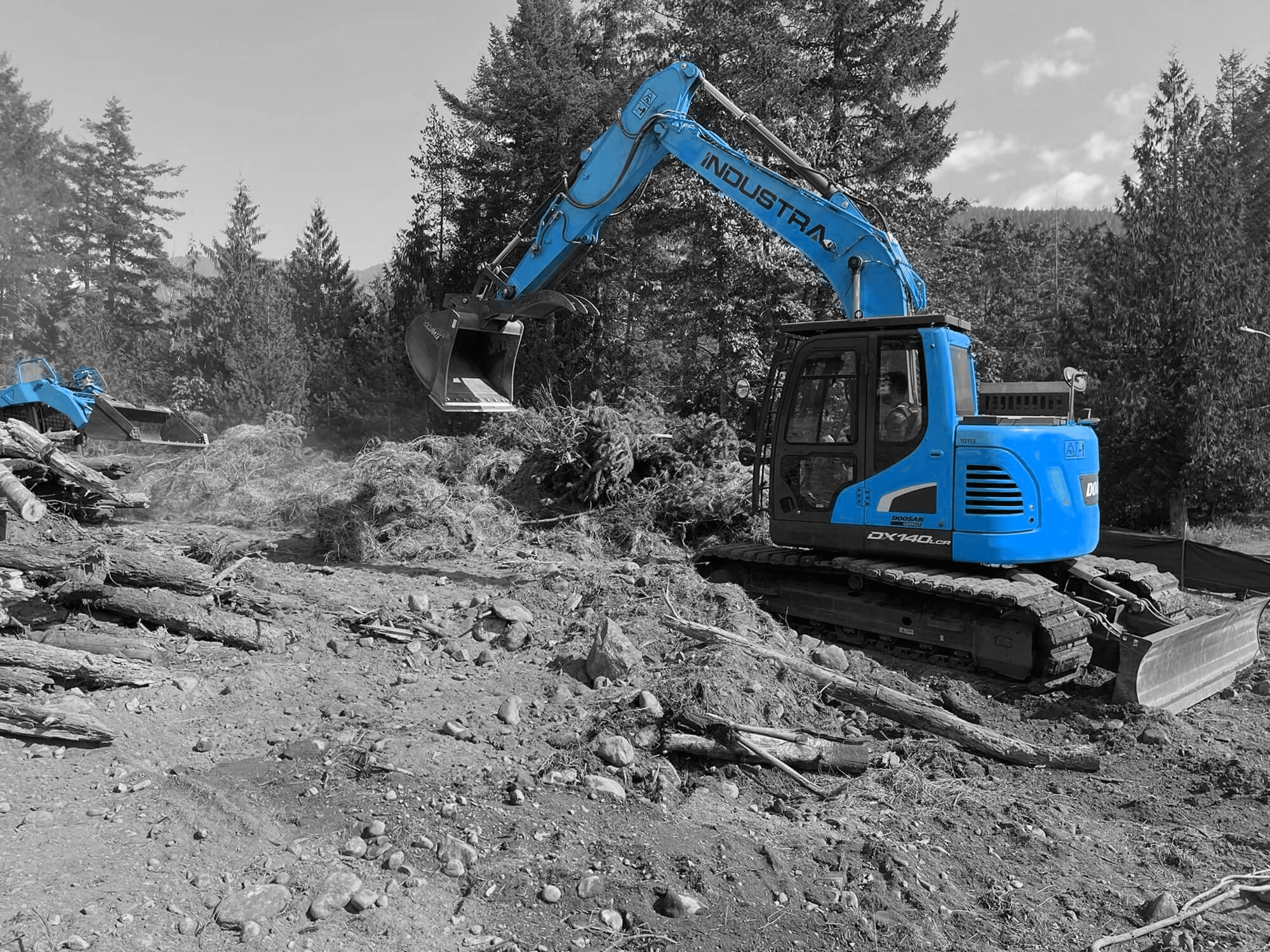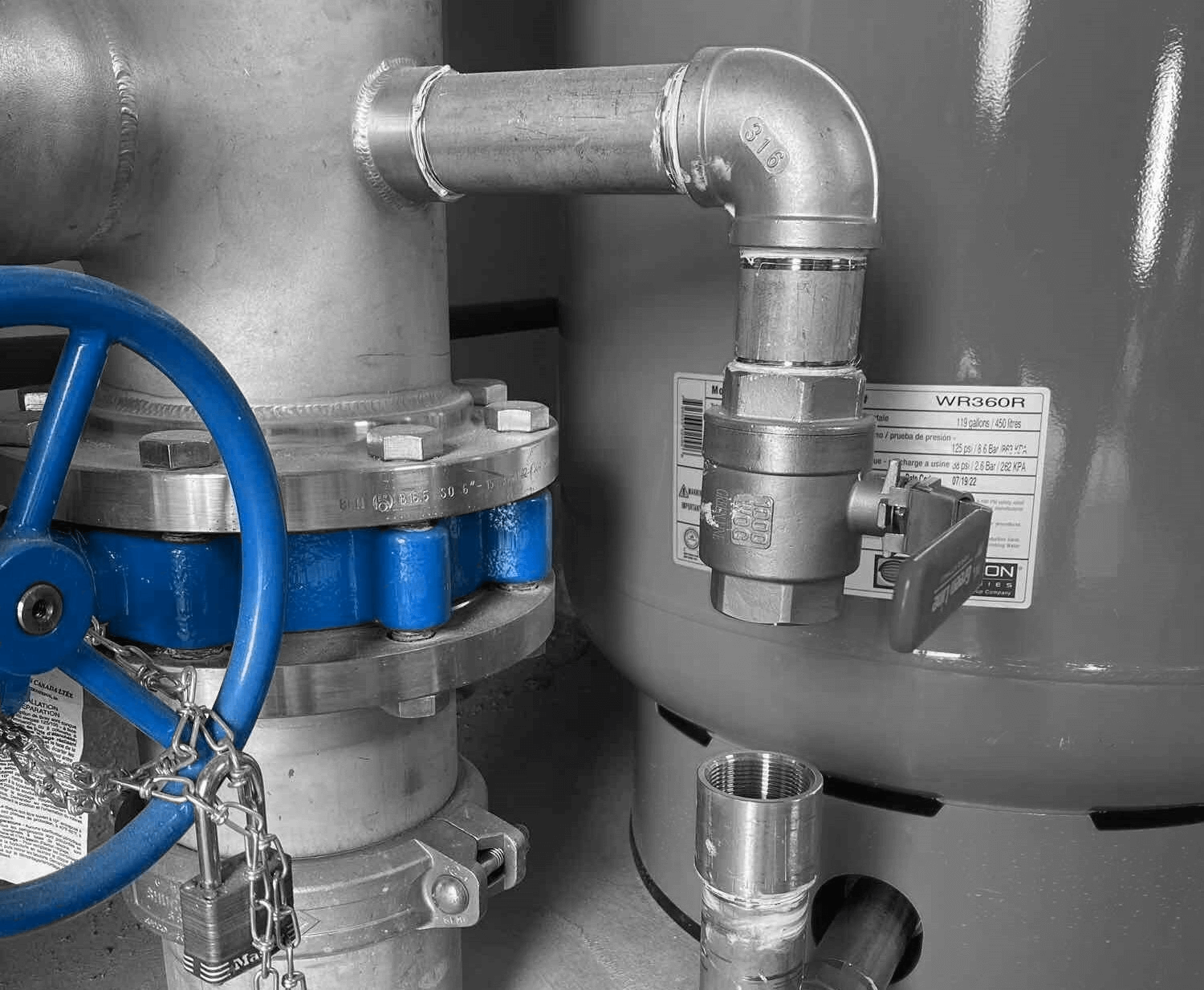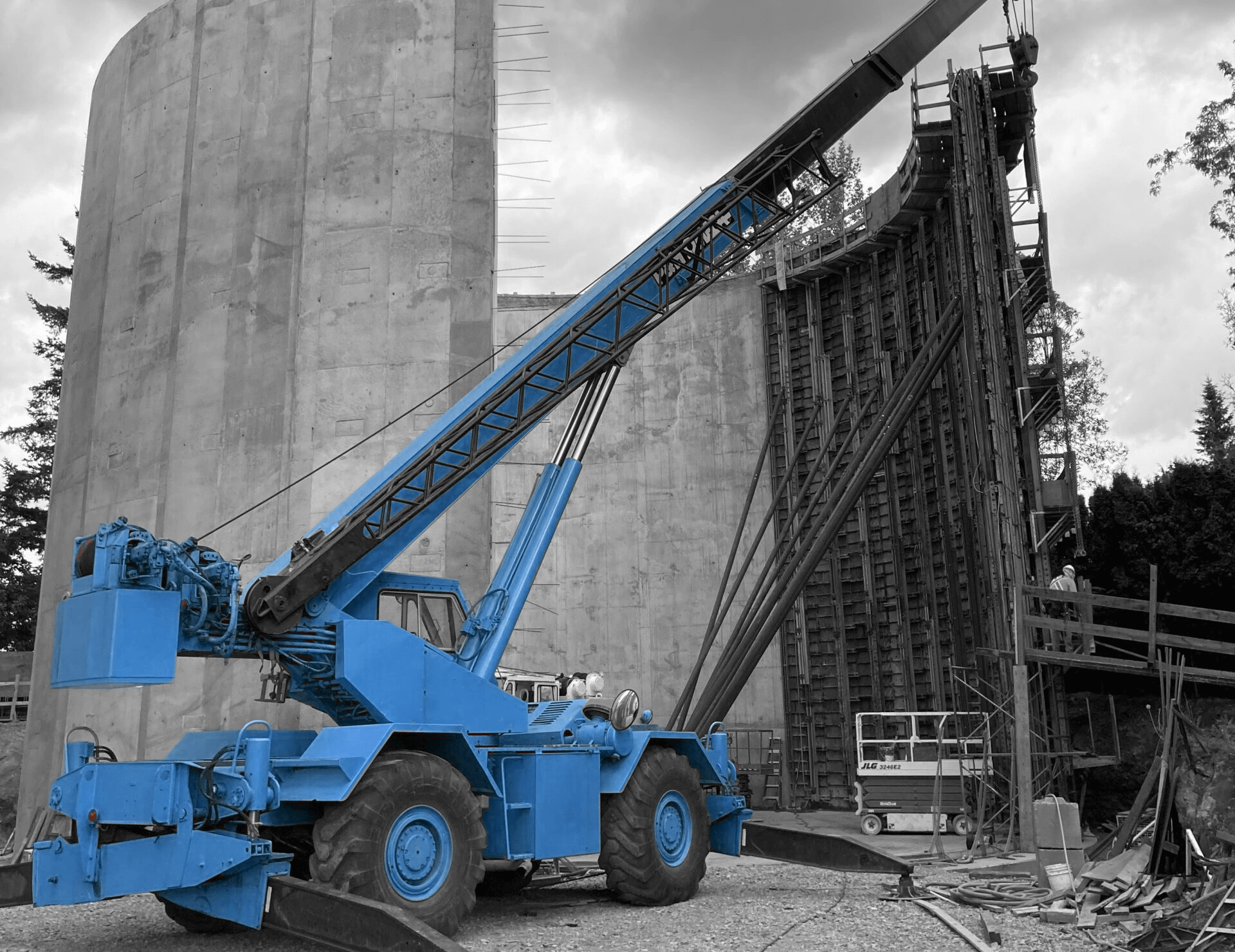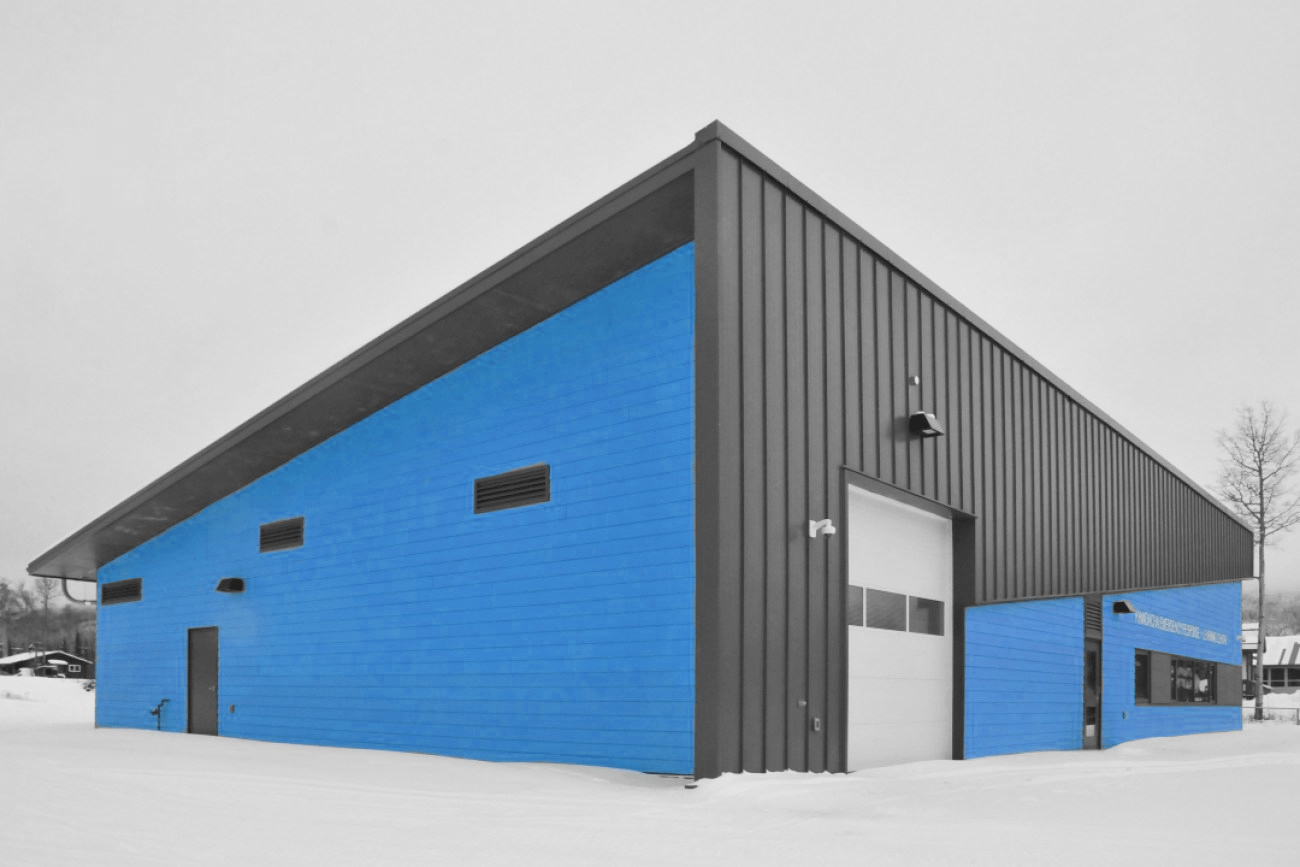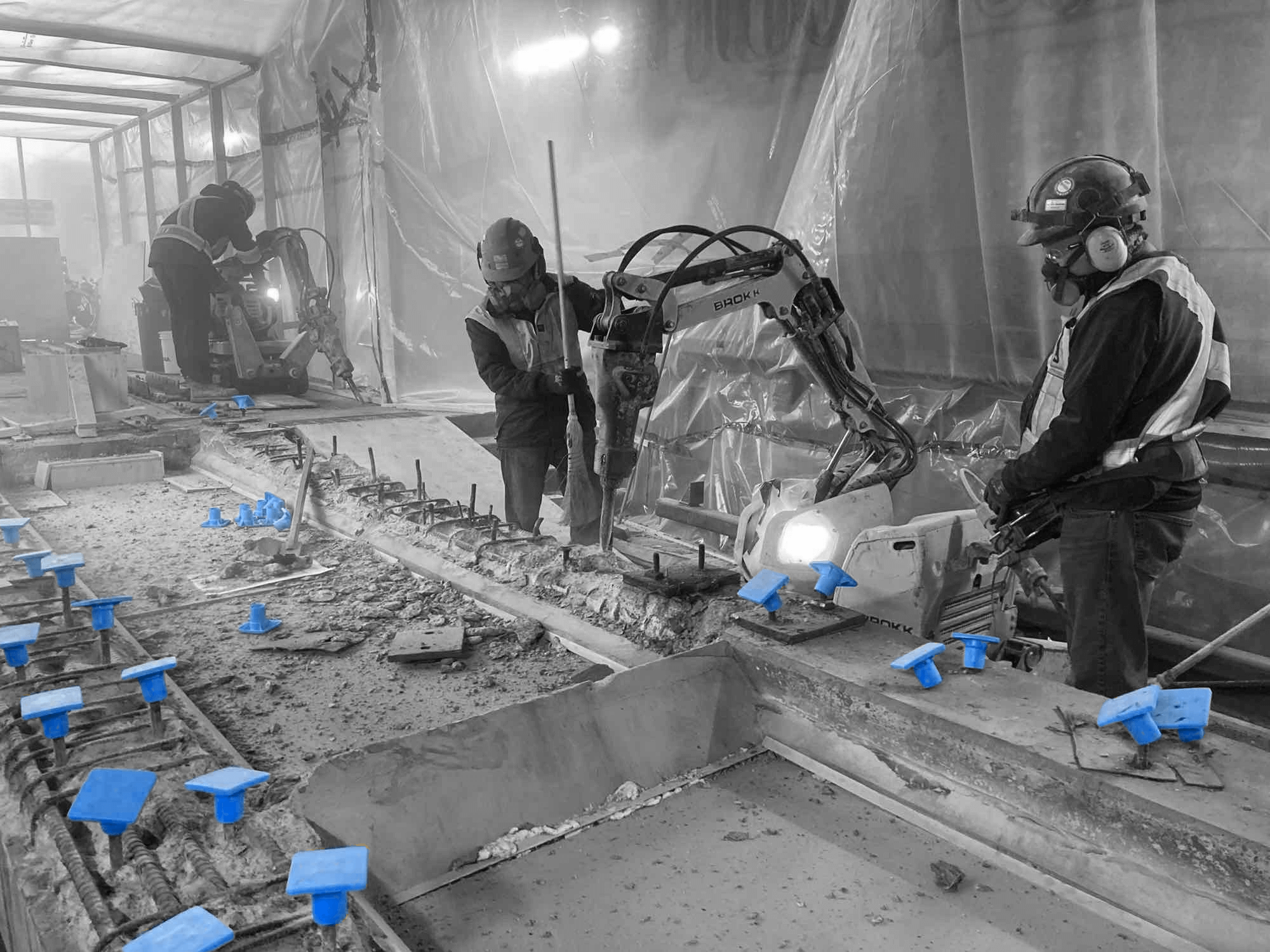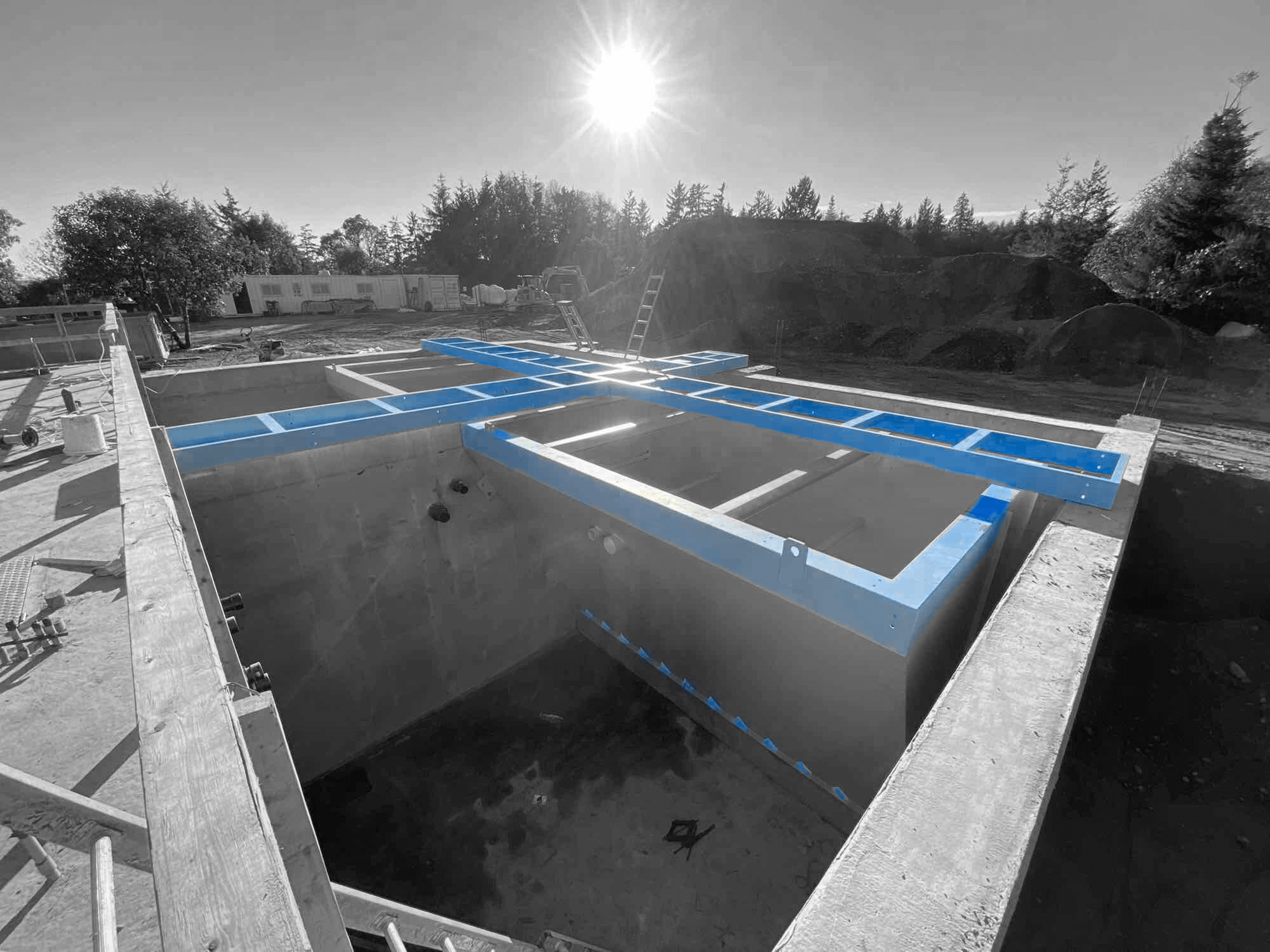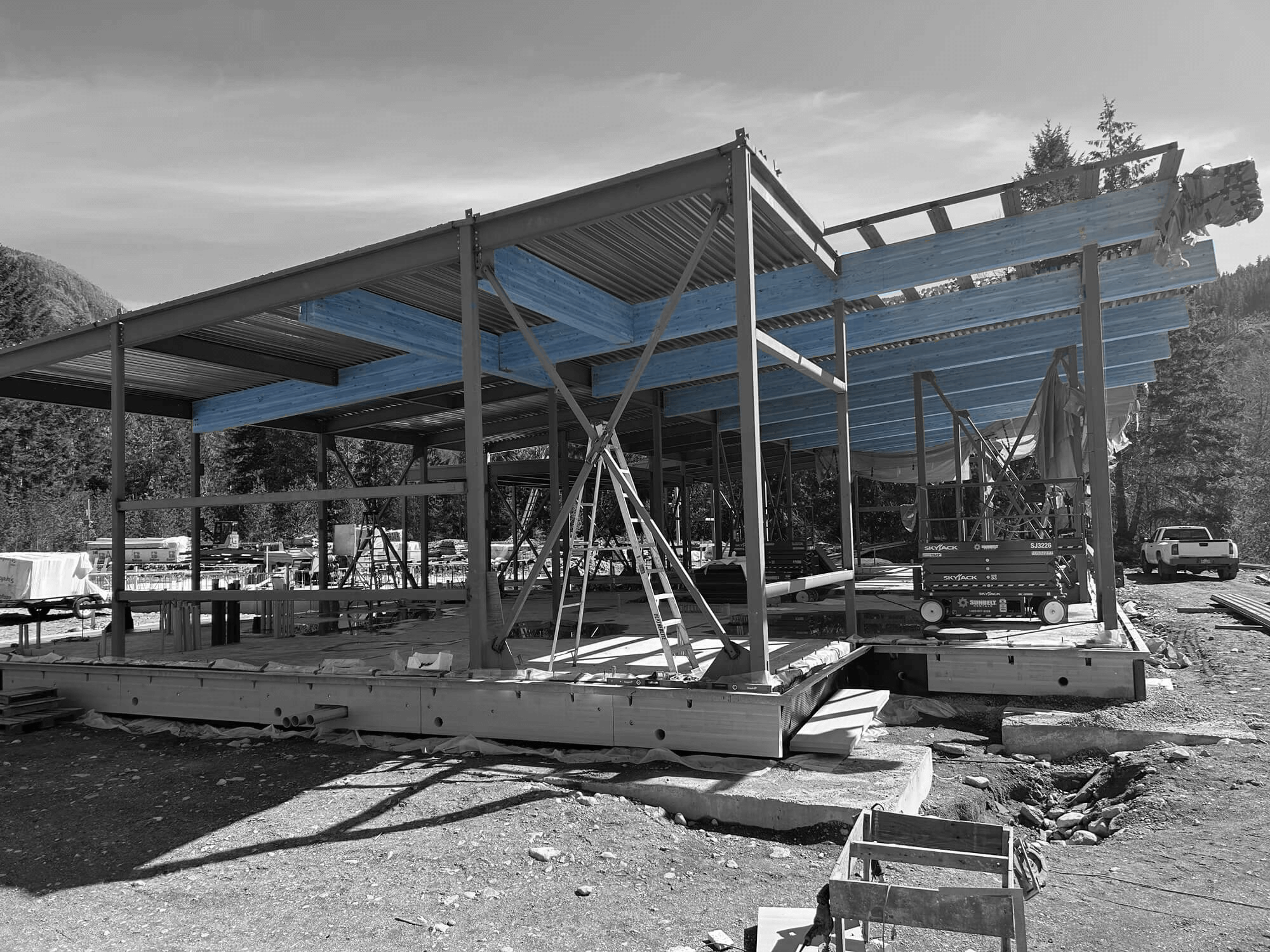
In today’s construction environment, one of the most persistent challenges facing owners, municipalities and contractors alike is the skilled trades gap: a shortage of qualified tradespeople, mounting project complexity, and increased demands on delivery times, safety and quality. At Industra Construction Corp., the answer lies in a self‑ performing model delivering key trades in‑house rather than outsourcing most of the workforce which offers major competitive advantages for future‑proofing how projects get built.
The Skilled Trades Gap: Why It’s a Critical Issue
Labor shortages, aging workforce and project risk
Across Canada and many other jurisdictions, the construction industry is experiencing a shortfall of qualified tradespeople. Many factors are contributing: the aging of the workforce (with retirees not fully replaced), fewer new entrants, rising project complexity, and the growth of infrastructure demand (particularly in municipalities, northern/remote regions, and industrial sectors).
This shortage creates risks:
- Project delays when trades cannot be mobilized quickly
- Cost escalation due to premium pay or overtime
- Quality shortcuts when inexperienced crews are used
- Increased safety risk when unfamiliar teams work in challenging circumstances
Why owners care
For owners, whether municipalities, First Nations communities, industrial clients or institutional stakeholders, these risks translate into the bottom line. Schedules slip, budgets expand, reliability suffers and lifecycle costs rise. Having a contractor who can mobilize skilled trades, manage them in‑house and maintain consistency becomes a differentiator.
Link to infrastructure complexity
Complex infrastructure projects such as water treatment plants, wastewater upgrades, pump stations, remote modular builds, or industrial process facilities heighten the impact of the trades gap. The more specialized the trade (e.g., mechanical piping, structural steel, process equipment installation, modular prefabrication in remote sites) the greater the exposure. This is where a self‑perform approach becomes valuable.
What Does “Self‑Perform Contractor” Mean?
A self‑perform contractor is one that carries out a significant portion of the construction work with its own employees (rather than hiring subcontractors for every trade). Key features include:
- In‑house trades such as carpenters, pipefitters, welders, electricians, heavy equipment operators
- Direct management of those crews (scheduling, quality control, safety)
- Reduced reliance on tier‐subcontractors
- Integrated workflows between engineering, procurement and field teams
In contrast, many general contractors operate with a lean in‑house core and subcontract most trades, which can result in fragmented coordination, diluted accountability, and risk transfer issues.
How Self‑Performing Helps Future‑Proof Projects
1. Improved scheduling and trade availability
When a contractor has in‑house trades, they can plan ahead, stagger crew deployment, and absorb unforeseen fluctuations rather than scrambling to hire subs last minute. This becomes invaluable in remote or logistics‑challenged sites where mobilization is non‑trivial.
2. Better quality control and continuity
In‑house crews work under the same systems, culture and project standards. This ensures consistency in workmanship, fewer interfaces, and less chance of quality variation between subcontractors. This aligns with our emphasis on “Quality at every step” and our comprehensive quality management program.
3. Enhanced safety management
Trades that are company‑employed are trained under the contractor’s safety systems, protocols, and culture. With fewer subcontractor hand‑offs, accountability is clearer.
4. Flexibility in remote or harsh conditions
In remote communities, First Nations territories, or northern sites, where logistics are difficult (fly‑in/fly‑out, ice roads, modular prefabs), having self‑perform crews means fewer subcontractor constraints, fewer transfers, and better control of mobilization and demobilization.
5. Single‑source accountability and smoother coordination
When key trades are managed internally, there is less “finger pointing” among subs, fewer schedule gaps between teams, and clearer responsibility for delivery. This links well with the benefits of design‑build/EPC delivery.
6. Cost‑effectiveness and life‑cycle value
While self‑perform models may involve higher upfront fixed cost (crew training, equipment ownership), they often reduce indirect costs: fewer change orders, better schedule adherence, fewer defects and rework. For owners who look at total lifecycle cost (not just initial low bid), this matters.
Implementing the Self‑Perform Model: What to Look For
Evaluating a contractor’s self‑perform capability
When choosing a contractor, owners should ask and verify:
- What trades does the contractor actually carry in‑house versus subcontract?
- How many of the crew are full‑time employees vs subcontractors?
- What training, qualification and safety programs apply across in‑house crews?
- What equipment and fleet does the contractor own rather than rent?
- How does the contractor manage staging, logistics and crew deployment, especially in difficult geographies?
- How is quality managed and attributed to in‑house versus sub‑trades?
- How does the self‑perform model integrate with their project management, estimating and coordination systems?
Integration with design‑build / EPC delivery
A self‑perform model works best within a contractor that also offers design‑build or EPC (Engineering‑Procurement‑Construction) delivery, because they can align design, procurement, and in‑house construction trades seamlessly.
Training, retention and culture
To maintain a strong self‑perform team, a contractor needs to invest in training, retention strategies and culture. Apprenticeships, mentorship, trades development, and strong employee engagement are key. Firms that rely purely on subs cannot build this depth as easily.
Equipment, logistics and remote‑capability
For remote or northern work, it’s not enough to have trades; the contractor must own or control the logistics, equipment and modular supply chain.We emphasize work in fly‑in/fly-out locations, barge and ice‑road access, prefabrication and modular services.
Coordination and multi‑discipline integration
Because self‑perform means multiple trades under one roof, strong coordination between civil, mechanical, electrical, structural trades is required.
Why This Matters for Key Market Sectors
Municipal water & wastewater infrastructure
Projects such as treatment plants, pump stations, reservoirs and utilities upgrades demand reliable trades, tight scheduling (often around shutdowns), and high safety/quality standards. A self‑perform contractor reduces risk for owners in this sector.
Remote Indigenous and northern community projects
First Nations infrastructure and northern community work often involve remote logistics, harsh climates and high risk of trade shortage. A contractor with in‑house trades is a clear advantage here. Industra highlights projects in Northwest Territories, Nunavut and fly‑in sites.
Industrial and process facilities
Heavy industrial work (mining, ports, terminals, process plants) requires trades with deeper skill levels (welding, piping, structural steel, heavy equipment). Self‑perform capability here ensures consistency and proficiency.
Institutional and secure facilities
Institutional work such as government buildings, correctional facilities, learning centres demand reliable trade work, stringent security/safety procedures, high accountability. Self‑perform crews reduce interface issues and deliver better oversight.
Best Practices Owners Should Demand
When engaging a contractor with self‑perform capability, owners should include in RFP/contract documentation:
- Clear breakdown of which trades will be self‑performed vs subcontracted
- Evidence of direct employment/training programmes for in‑house crews
- Safety, quality and coordination protocols for in‑house trades
- Mobilisation and logistics plans especially if working in remote settings
- Coordination plans between design, procurement and execution (EPC model)
- Scheduling buffers and contingency related to trade availability
- Equipment ownership or access evidence
- Historical examples of self‑perform execution (case studies)
Addressing Challenges of the Self‑Perform Model
Of course, the self‑perform model isn’t without its own challenges. Owners and contractors alike must be aware of:
- Higher fixed costs: Maintaining full‑time crew and equipment comes with overhead that must be offset through project volume.
- Risk concentration: If the contractor’s internal trade capacity is overstretched, scheduling or quality risk can still occur.
- Need for strong internal systems: Managing multiple trades in‑house demands sophisticated systems for crew deployment, training, safety, performance measurement.
- Geographic limitation: While in‑house trades give advantages, if a project is far outside the contractor’s typical geography or labour pool, local subcontracting may still be required.
- Scalability: For very large multi‑zone projects, even self‑perform contractors may need to supplement crews via subcontractors with owner clarity on this interface remains important.
Nevertheless, when executed properly, the benefits outweigh these hurdles especially for owners who value reliability, integration and accountability.
Future Outlook: Why This Matters More Than Ever
Labour market trends
As older tradespeople retire, fewer young workers enter construction, and competition for skilled talent intensifies, the contractor labour‑pool becomes a strategic factor in project risk. Owners who factor this into procurement will be smarter.
Increasing complexity of infrastructure
Infrastructure projects are no longer simple trench‑and‑pipe jobs. Whether municipal, water/wastewater, remote modular builds, industrial process facilities or combined systems, the number of disciplines, interfaces and risk points has grown. Contractors who can self‑perform reduce those risks.
Demand for integrated delivery models
Design‑build, EPC and full‑service contracts are increasingly common because owners want fewer handoffs, greater clarity of responsibility and faster timelines. Self‑perform trades tie neatly into that trend.
Remote, northern and Indigenous infrastructure growth
With expanding infrastructure work in northern Canada, with communities, First Nations governments and remote logistics (fly‑in/fly‑out, modular, Arctic conditions), having a contractor with in‑house trades and remote logistics capability is a competitive advantage.
Sustainability, life‑cycle cost and value‑based procurement
Owners are shifting focus from lowest upfront cost to whole‑life value, quality, durability and risk. Contractors who self‑perform deliver better control over quality, schedule and longevity which aligns with this shift.
Summary
In summary, bridging the skilled trades gap isn’t just about hiring more people—it’s about selecting a delivery model that can absorb, manage and control trade risk. For owners in sectors such as municipal infrastructure, remote community builds, industrial processing or institutional work, partnering with a self‑perform contractor offers significant advantages: schedule reliability, quality assurance, safety connectivity, cost control and future‑proofing.
At Industra Construction Corp., our in‑house trades, multi‑discipline capabilities and design‑build/EPC experience position us to deliver across complex and remote markets. If you’re planning a project where trade availability, logistics, quality and schedule are critical, choosing a contractor with self‑perform strength is a strategic imperative.
We’d welcome a conversation about your next project and how we can bring trades, logistics, design and execution all under one roof. Visit our Contact Us page to reach out.